AI's Rise: Generalist or Ultra-Specialist to Thrive?


AI's Rise: Generalist or Ultra-Specialist to Thrive?
In an AI-driven world, which career path wins? Explore if broad skills or deep specialization offers better job security and innovation potential. A crucial read for future-proofing your work life.
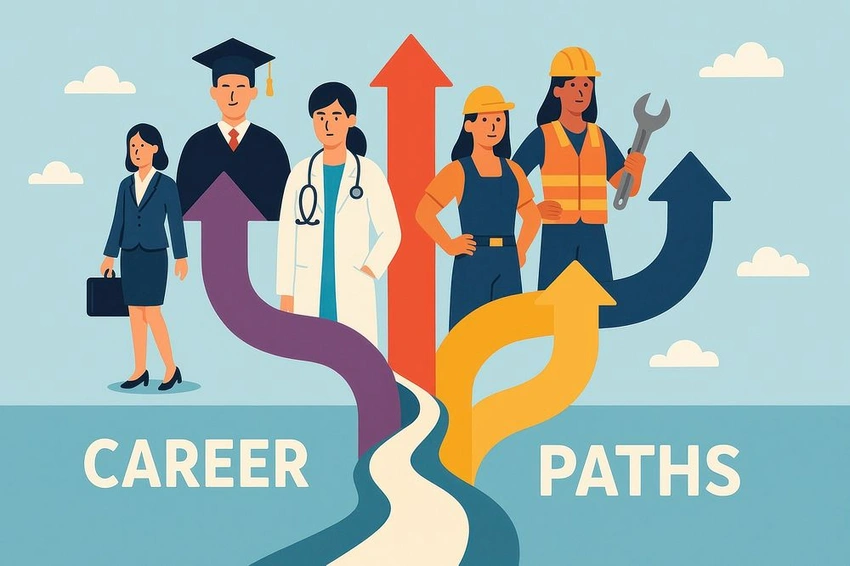
The rise of artificial intelligence isn't just automating tasks; it's fundamentally reshaping the global job market. This seismic shift forces a critical question: should you hone broad, 'human-centric' generalist skills, or carve out a hyper-niche as an ultra-specialist? There's no single answer, but understanding both paths is key to navigating your career in this new era.
The Generalist’s Advantage: Human-Centric Adaptability
AI excels at specific, repetitive tasks, analysis, and information processing. What it struggles with (for now) are complex, unstructured problems, nuanced communication, creative synthesis, and emotional intelligence. This is where the generalist shines.
Often described as 'T-shaped' professionals, broad knowledge with one deep area, human-centric generalists are adept at connecting disparate ideas, fostering collaboration, and understanding the 'why' behind the 'what.'
They are the bridge-builders, the orchestrators, and the innovators who can leverage AI as a tool rather than being replaced by it. Think about roles requiring critical thinking, strategic planning, ethical reasoning, and cross-functional leadership. These are inherently human skills, difficult for machines to replicate.
Generalists can adapt quickly to new technologies and market demands, making them incredibly resilient.
The Ultra-Specialist’s Power: Deep Niche Expertise
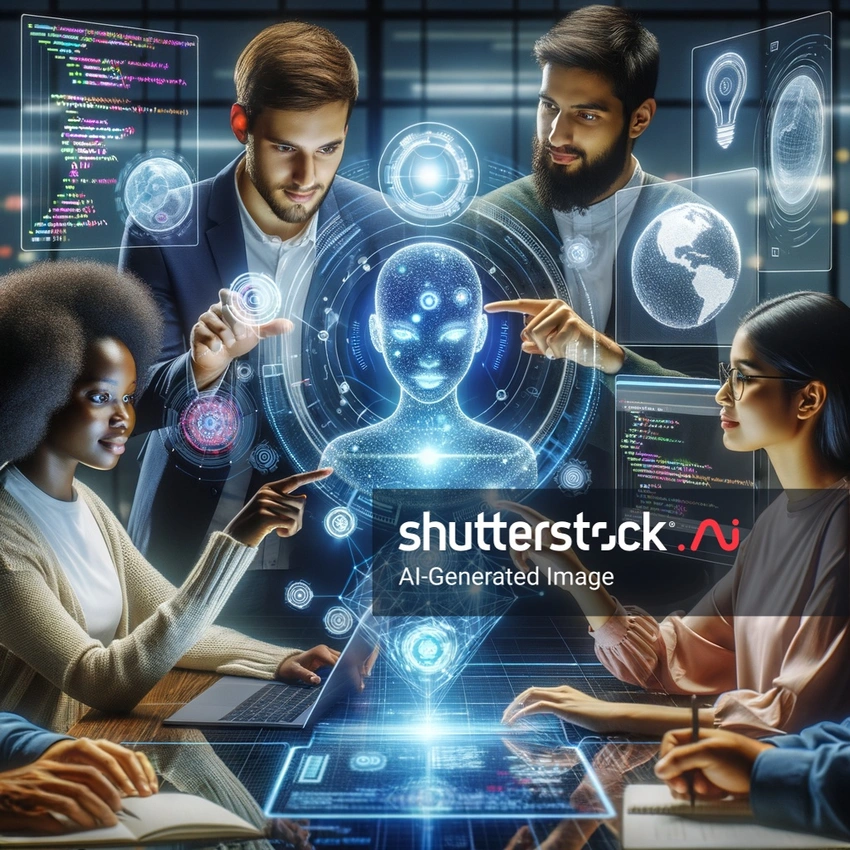
On the flip side, the ultra-specialist, a master of a very specific domain, also holds immense value. While AI can process vast amounts of data, it still relies on human experts to train it, interpret its outputs, and identify novel applications. Hyper-niche experts in fields like advanced machine learning ethics, quantum computing architecture, or bespoke AI model fine-tuning are in high demand.
Their deep knowledge allows them to push the boundaries of technology, creating solutions that even advanced AI cannot generate autonomously.
These specialists often work with AI, not against it, using its processing power to amplify their own expertise. They're indispensable for tackling the incredibly complex, often bleeding-edge problems that require years of dedicated study and practice. Their value lies in their irreplaceable depth of understanding within a very narrow, yet critical, domain.

The Hybrid Model: Blending Both Worlds
The most compelling path for many may be a strategic blend of both. Instead of an either/or dilemma, consider a 'hybrid' approach. This means developing strong generalist capabilities, critical thinking, communication, problem-solving, emotional intelligence, while also cultivating a deep, specialized skill that is either resistant to AI automation or synergistic with AI's capabilities.
For example, an AI ethics specialist needs deep knowledge of AI systems but also broad understanding of philosophy, law, and human behavior. A product manager working on an AI-powered tool requires technical acumen alongside a keen understanding of user experience and market dynamics. As author and futurist Daniel Pink aptly put it,
'The future belongs to a different kind of person with a different kind of mind: creators and empathizers, pattern recognizers and meaning makers.'
This highlights the enduring value of human capabilities, irrespective of specialization.
Ultimately, the choice isn't about picking a side, but strategically positioning yourself. Continuous learning, adaptability, and an understanding of how AI complements human skills are paramount. Whether you lean generalist or specialist, your ability to integrate AI into your work - and leverage what makes you uniquely human - will define your success.

Login to comment.
No thots yet. Be the first to share your thoughts!