Rubio: US action in Venezuela will bring prosperity and security

Rubio: US action in Venezuela will bring prosperity and security
In a tense Senate hearing, Rubio defends the Venezuela operation as law enforcement, insisting it isn’t war and pledging stability for the region.
A heated Senate Foreign Affairs committee hearing unfolded over the recent US actions in Venezuela, spotlighting questions about legality, scope, and future goals. The hearing came after bold moves this year that saw Maduro removed from power and the country placed under interim leadership, with public officials framing the events as part of a focused law enforcement operation rather than a war. Delegates noted long-standing debates about congressional authorization and the War Powers Act, underscoring the tension between executive actions and legislative oversight.
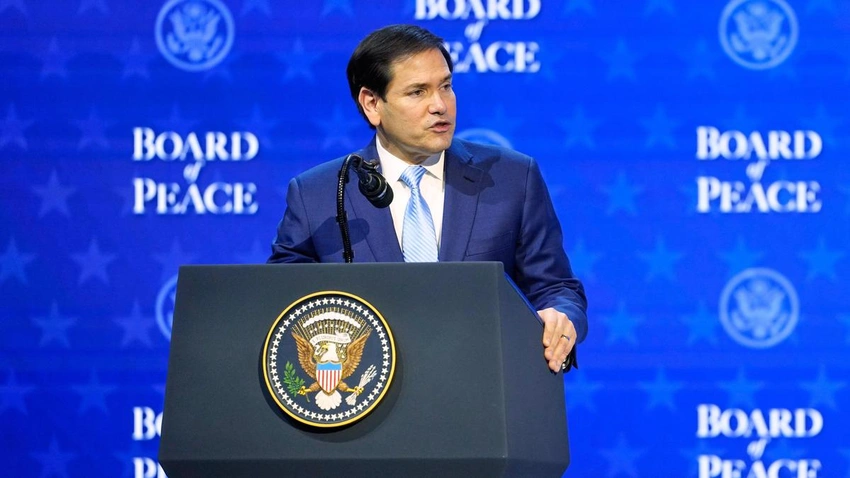
Secretary of State Rubio kept a firm line, stressing that the United States did not occupy a country and that no US troops were on the ground. He described the operation as a targeted drug enforcement action meant to disrupt illicit trafficking networks, not a full-scale invasion. His written opening statement emphasized this distinction, while he fielded questions about the legality and long-term implications of the strikes, which some critics say bypassed Congress.
Rand Paul pushed back, characterizing the actions as a “drug bust” rather than an act of war, challenging the administration’s narrative and urging stricter constitutional adherence. The hearing also touched on how the decision to remove Maduro, and the transition to interim leadership under Delcy Rodriguez, could shape US influence in the hemisphere for years to come. Supporters argued the move could redefine Trump-era policy and restore stability, while opponents warned of unintended consequences for regional dynamics and civilian well-being.
As lawmakers pressed for clarity on oversight and future plans, the discussion highlighted a broader question: how the United States balances decisive action with accountability and transparent governance. With ongoing debates about regime change, energy sales, and regional security, the hearing signaled that Venezuela policy will remain a contentious, closely watched issue in Washington and beyond.
