Can Men Get Pregnant? Dr. Nisha Verma in Senate Spotlight

Can Men Get Pregnant? Dr. Nisha Verma in Senate Spotlight
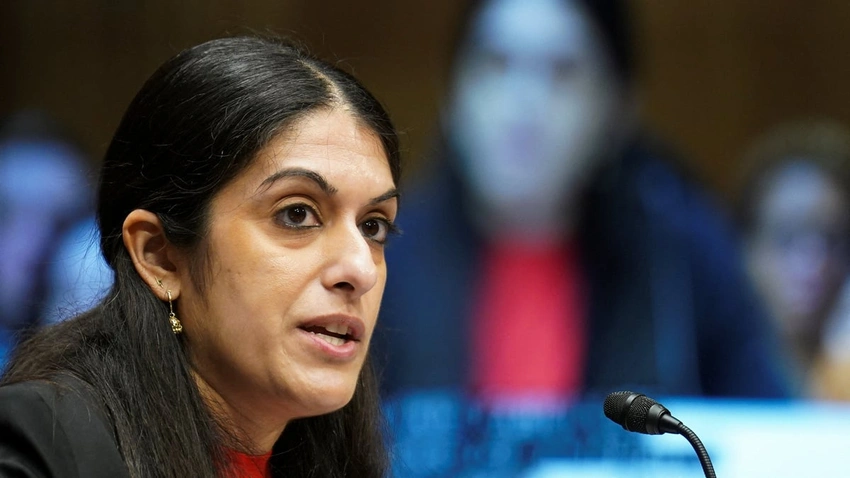
A US Senate hearing on abortion safety features Dr. Nisha Verma, whose testimony went viral as debates on gender and reproductive rights intensify.
A US Senate hearing on abortion safety featured Dr. Nisha Verma, an obstetrics-gynecology specialist, whose testimony sparked widespread online discussion after a Republican senator questioned whether men can get pregnant. The exchange quickly went viral as viewers debated biology, gender, and reproductive policy.
Verma, born in Greensboro, North Carolina, is the daughter of Indian immigrant parents. She earned her biology and anthropology undergraduate degrees at the University of North Carolina and completed her medical degree there as well. Her residency was at Beth Israel Deaconess Medical Center, followed by a Complex Family Planning Fellowship and a Master’s in Public Health at Emory University. She is board-certified in OBGYN and focuses on complex family planning, with practice in Georgia and Massachusetts. She is a fellow with Physicians for Reproductive Health and serves as an Adjunct Assistant Professor at the Emory University School of Medicine. Her work includes abortion-related research and policy advocacy at the intersection of medicine, policy, and research.
Verma has co-authored studies examining the impact of abortion restrictions on high-risk pregnancies in Georgia, ongoing debates about early abortion bans in restrictive states, and the landscape of self-managed abortion in the United States. She has previously testified before Congress on the harms of abortion restrictions, emphasizing how policy can affect patient care and access to safe practices.
During the hearing, the clip of the exchange—centered on whether men can become pregnant—drew intense attention on social media, fueling conversations about gender identity, reproductive rights, and the safety of abortion-pill policies. The moment underscored the ongoing tension between lawmakers and medical experts as policy debates shape access to reproductive health services. Verma’s testimony highlighted how clinicians contribute to policy discussions with evidence-based perspectives, even as questions framed the discussion in controversial terms.
