Ram Rahim Granted 15th 40-Day Parole, to Stay at Sirsa Dera

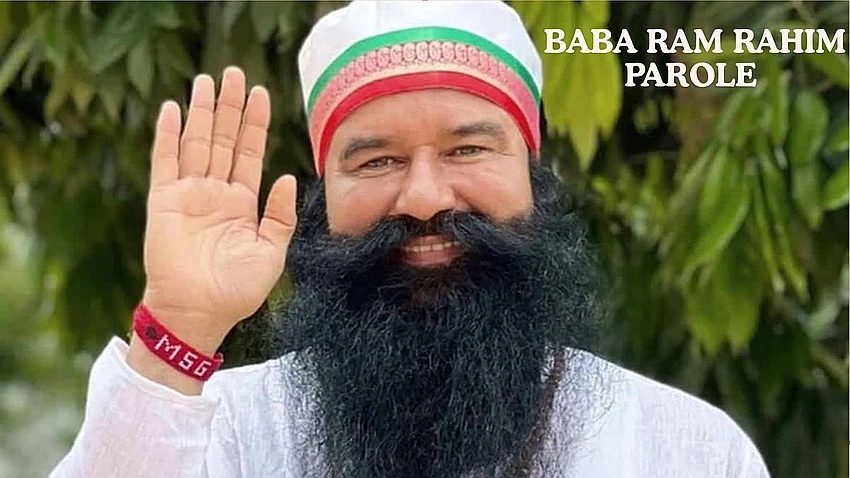
Ram Rahim Granted 15th 40-Day Parole, to Stay at Sirsa Dera
Gurmeet Ram Rahim Singh walks out on 40-day parole from Rohtak's Sunaria jail to stay at the Dera headquarters in Sirsa.
Gurmeet Ram Rahim Singh walked out of Sunaria jail in Rohtak after being granted a 40-day parole, marking his 15th such release since his 2017 conviction. He will stay at his Sirsa-headquartered Dera during the 40-day period, according to a Dera spokesperson. Singh is serving a 20-year jail term for raping two of his followers and is also convicted in connection with the murder of a journalist more than 16 years ago. He had most recently stepped out on a 40-day parole in August 2025, with prior furloughs and parole periods scattered across 2024 and 2025, often timed around political events.
The Dera has followers across Haryana, Punjab, Rajasthan and other states, and Singh’s parole episodes have long sparked debate about relief for high-profile inmates. Dera spokesperson and advocate Jitender Khurana confirmed Singh’s plan to stay within the Ram Rahim complex in Sirsa during the parole, noting the 40-day window would permit him to participate in or observe events linked to the dera.
Sikh organizations such as the Shiromani Gurdwara Parbandhak Committee have previously criticized the recurring parole relief for Singh. In May 2024, the Punjab and Haryana High Court acquitted Singh and four others in the 2002 murder of the sect’s former manager, Ranjit Singh, citing tainted investigations and overturning a CBI-backed life sentence. The CBI had maintained that Singh and his co-accused conspired to commit the murder. During many past paroles, Singh remained at the Dera’s ashram in Baghpat district, Uttar Pradesh, while others questioned the transparency of the parole process. The parole pattern has often been viewed in the context of political timing, including intermittent interactions with followers, sometimes via virtual means before election days.
The 40-day release comes as questions linger about victims’ rights and the balance between justice and religious influence, with observers noting the ongoing public interest in Ram Rahim’s case and its wider social ramifications.
