SC weighs challenge to UGC 2026 equity rules on caste-based discrimination

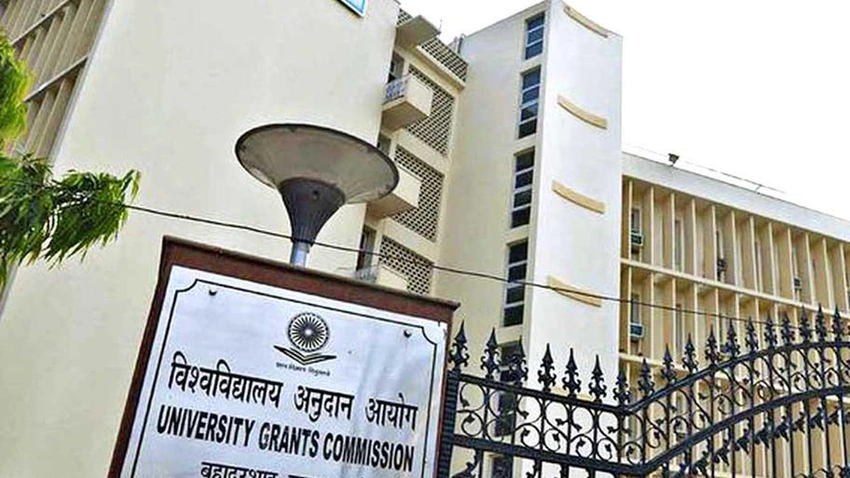
SC weighs challenge to UGC 2026 equity rules on caste-based discrimination
Two petitions challenge the UGC's 2026 equity rules in the Supreme Court, arguing the new caste-based discrimination definition narrows protections.
The University Grants Commission’s Promotion of Equity in Higher Education Institutions Regulations, 2026, notified on January 13, 2026, have sparked legal challenges as the Supreme Court considers their constitutional validity. Two separate petitions have been filed, likely to be listed before the Chief Justice of India for directions on listing and hearing. The first writ petition, filed by Mrityunjay Tiwari, a post-doctoral researcher at Banaras Hindu University, alleges flaws in the 2026 regulations. A second petition, filed by advocate Vineet Jindal, challenges Regulation 3(c) specifically, which defines caste-based discrimination as discrimination “only on the basis of caste or tribe” against members of the SCs, STs, and OBCs. The move comes amid intensified political, academic, and student opposition to the new rules, which replace the 2012 framework on higher education equity.
Critics argue that the definition narrows protections by excluding students outside the SC/ST/OBC categories, potentially creating a presumption of guilt against general-category students and lacking safeguards against misuse. In the final notified version, a provision present in a draft circulated in 2025—proposing punishment in cases of false complaints—was removed, prompting further debate about how complaints will be handled in practice. The petitions contend that Regulation 3(c) is constitutionally problematic and could distort equality guarantees within Indian higher education.
The petitions frame the issue within a broader dispute over how equity measures should operate on campuses. Advocates and student groups have voiced opposition, arguing that clear, enforceable safeguards are essential to prevent abuses and ensure fair treatment for all students. With the Supreme Court set to review, the case could redefine how caste-based considerations are addressed in university policies and how equity commitments are implemented across India’s higher education system.
As hearings loom, stakeholders await a detailed judicial assessment of whether the 2026 regulations strike a lawful balance between promoting equity and protecting the rights of all students, regardless of their category. The outcome could influence campus governance, admissions, and grievance redressal mechanisms for years to come.
