Pakistan Leads Diplomatic Push as Iran-US Ceasefire Talks Heat Up

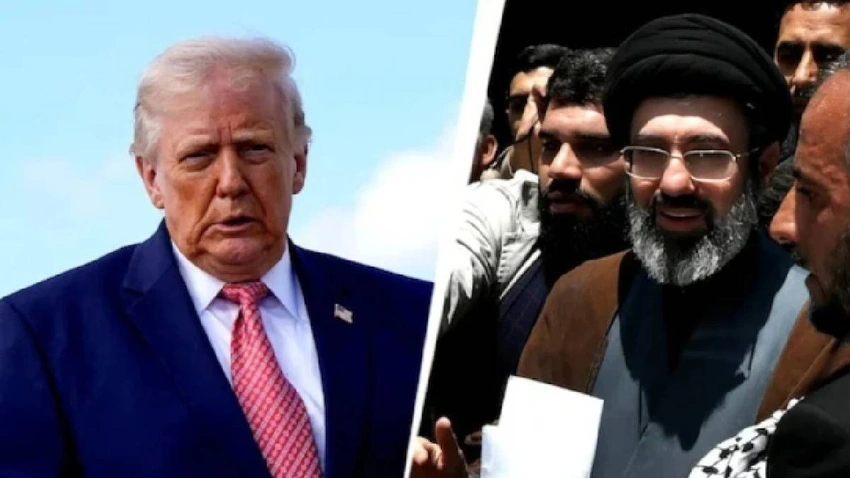
Pakistan Leads Diplomatic Push as Iran-US Ceasefire Talks Heat Up
Pakistan-led talks push a 45-day ceasefire between Iran and the US, aiming to reopen the Strait of Hormuz and secure sanctions relief in exchange for nuclear commitments.
As momentum builds around a looming Trump deadline, global diplomacy centers on a proposed 45-day ceasefire plan that would pause hostilities immediately and seek a broader deal within 15 to 20 days. The framework would, if accepted, potentially reopen the Strait of Hormuz and pave the way for sanctions relief and access to frozen Iranian assets in exchange for commitments on nuclear restrictions. The plan has become a high-stakes test of mediation efforts in a volatile Gulf region and could reshape energy markets if it advances.
Pakistan’s Army Chief Asim Munir has reportedly held separate discussions with US Vice President JD Vance, envoy Steve Witkoff, and Iranian Foreign Minister Abbas Araghchi to coordinate the proposal. Tehran, however, has signaled resistance to temporary timelines and is demanding stronger guarantees before any deal.
Mediators from Egypt, Pakistan, and Turkey are described as pushing a two-stage framework, with an immediate halt in hostilities followed by negotiations toward a long-term settlement. The working name for the effort—the Islamabad Accord—highlights Pakistan’s central role in bridging Washington and Tehran while aiming to reopen the strait and ease sanctions in return for verified nuclear limits.
Observers warn that unresolved disagreements could have wider regional consequences, but proponents argue a breakthrough could reduce flashpoints and stabilize an already tense Gulf corridor. As diplomacy races against time, the world watches whether the proposed 45-day window can yield lasting guarantees and a durable framework for preventing further escalation.
