The Endless Trolling of Ariana Grande's Body Disguised as Concern

The Endless Trolling of Ariana Grande's Body Disguised as Concern
The Endless Trolling of Ariana Grande's Body Disguised as Concern
A closer look at why public concern over Ariana Grande’s appearance often becomes entertainment, how her 2023 response changed the conversation, and what genuine care should look like online.
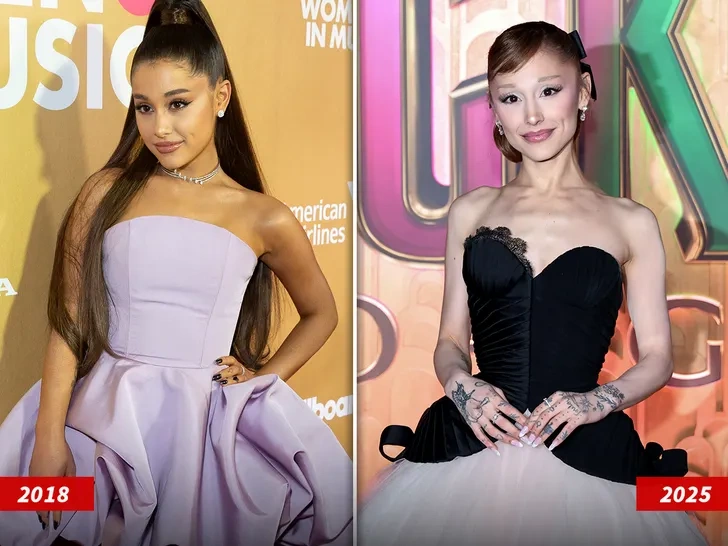
There is a peculiar script that repeats itself every few years whenever Ariana Grande appears in public. A new photograph circulates online. Social media users zoom in, speculate, diagnose and debate. The conversation rarely begins with outright cruelty. Instead, it arrives wrapped in the language of care. "I'm just worried." "I hope she's okay." "Someone should help her."
It sounds compassionate. Yet after years of repetition, it has become difficult to ignore that this concern functions less as empathy and more as entertainment. The body becomes a public text that strangers feel entitled to interpret. Grande's humanity disappears beneath endless speculation.
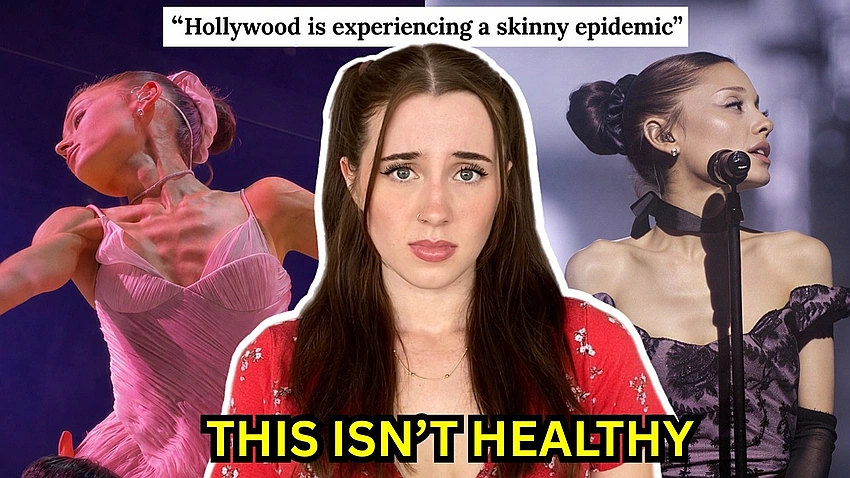
In 2023, Grande responded directly to the commentary surrounding her appearance, explaining that the version of her body many people considered "healthy" actually corresponded with one of the most difficult periods of her life. She urged audiences to stop commenting on people's bodies altogether because appearances rarely reveal the realities of someone's physical or mental wellbeing. She repeated this message during the Wicked press tour in 2024, describing the growing comfort people have with discussing other people's bodies as dangerous
The tragedy is that many people heard her words and continued anyway.
The Internet's Illusion of Intimacy
Social media has cultivated an unsettling illusion that constant visibility grants constant access. Fans watch celebrities through interviews, Instagram stories and TikTok videos until familiarity begins to resemble friendship. Yet this imagined intimacy also produces imagined responsibility.
People convince themselves that analysing a celebrity's body is an act of protection rather than intrusion.

Media scholar Richard Dyer famously argued that stars exist as carefully constructed public images rather than ordinary individuals. Today's digital environment intensifies this process. Celebrities are expected not only to perform but to remain permanently available for observation. Their bodies become evidence to be examined, compared and discussed.
Grande is hardly the only woman subjected to this cycle. However, the sheer persistence of commentary surrounding her appearance reveals how female celebrity remains inseparable from surveillance.
Concern Is Not Neutral
One of the most troubling aspects of these discussions is the assumption that health can be measured visually. Thinness becomes evidence of illness. Weight gain becomes evidence of decline. Every fluctuation demands explanation.
Medical professionals have repeatedly noted that health cannot be accurately assessed simply by looking at someone's body. Bodies change for countless reasons, many of which remain private. Assuming otherwise reinforces harmful myths about weight, beauty and wellbeing.
Grande herself made this point clearly. She reminded audiences that people may be struggling with medication, grief, stress or recovery without anyone else knowing. Public speculation does not create support. It creates pressure.
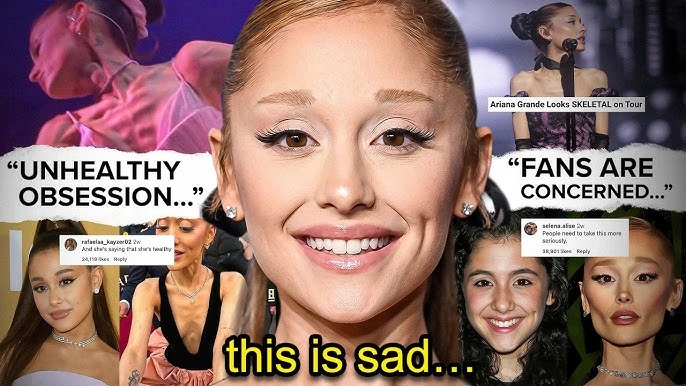
Ironically, concern expressed through millions of comments rarely benefits the person supposedly receiving it. Instead, it normalises the belief that every visible body exists for collective judgement.
The Gender Politics of Looking
Laura Mulvey's concept of the gaze was developed to explain cinema, yet it remains useful for understanding celebrity culture. Women continue to exist under a relentless visual economy where appearance often overshadows achievement.
During one of the biggest moments of her career, starring in Wicked, discussions about Grande's performance frequently competed with conversations about her weight. Rather than celebrating artistic labour, audiences repeatedly redirected attention towards her physical appearance.
This reflects a broader cultural pattern. Women's bodies are rarely allowed to remain ordinary. They become symbols, warnings or debates. Every photograph invites interpretation. Every change becomes public property.
The body ceases to belong to the individual.
The Performance of Kindness
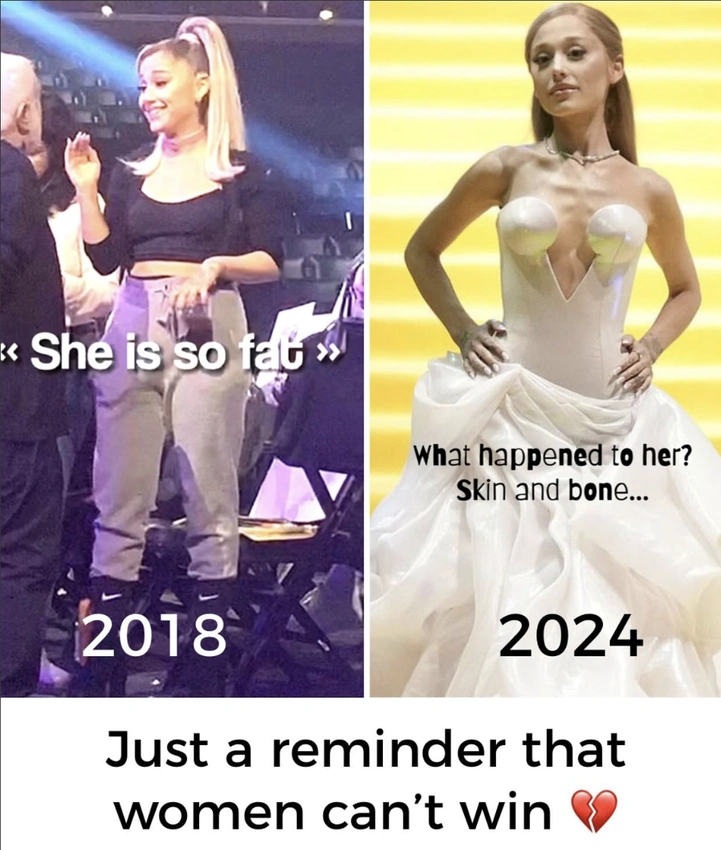
Perhaps the most fascinating aspect of online concern is its performative quality. Many comments appear less interested in Grande herself than in demonstrating the commenter's own sensitivity.
Posting "I hope she's okay" beneath viral images becomes a public performance of empathy. Yet genuine care respects boundaries. Genuine care recognises that strangers do not possess enough information to diagnose another person's wellbeing.
When Grande asks people to stop commenting on bodies altogether, continuing to speculate is not compassion. It is disregard disguised as kindness.
The internet often mistakes visibility for consent. Being famous does not mean surrendering the right to bodily privacy.
Looking Away Might Be the Kinder Choice
Celebrity culture has always invited spectatorship. What has changed is its intensity. Digital platforms encourage constant observation, endless comparison and instant commentary. The result is a culture where silence feels almost unnatural.
Perhaps the more radical response is restraint.
Grande's repeated requests are remarkably modest. She has not demanded admiration or agreement. She has simply asked people to stop assuming that they understand another person's body better than that person does.
That request extends beyond celebrity culture. It challenges how we speak about colleagues, relatives, classmates and strangers. Bodies are not open forums for interpretation simply because they are visible.
If concern genuinely seeks another person's wellbeing, it should begin by respecting the limits of what can be known. Sometimes the kindest response is not another opinion. It is choosing not to look for one at all.
#ArianaGrande #BodyImage #OnlineCulture #PublicScrutiny #MindfulCommentary
