Twin sisters discover they have different fathers in world-first case

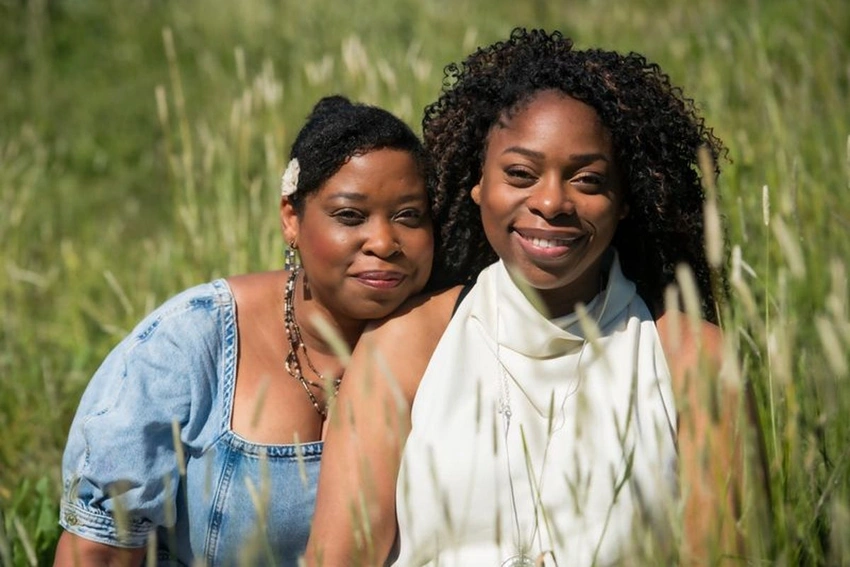
Twin sisters discover they have different fathers in world-first case
Two sisters from Nottingham uncover they share different biological fathers after DNA tests, revealing a rare phenomenon in human reproduction.
In a case that has stunned scientists and fascinated many, two sisters from Nottingham have learned that they do not share a single biological father. The sisters, now 49, were found to have different biological fathers after a DNA test conducted for a feature on a BBC radio series. The discovery is described as a world-first case of its kind and highlights the rare phenomenon known as heteropaternal superfecundation, where two eggs released in the same cycle are fertilised by sperm from two different men, producing embryos that survive to birth. It is believed that only around 20 such cases have ever been identified globally, with these sisters representing the only documented twins with different fathers in the United Kingdom. The revelation shifts how the family understands its past and offers a rare glimpse into the complexities of human reproduction.\n\nThe science behind the story is simple yet extraordinary: when a woman releases more than one egg during a single ovulation cycle, both eggs can be fertilised separately by different men. If both pregnancies take, the result is siblings who are genetically distinct, despite sharing a womb and being born within minutes of each other. In this case, the sisters grew up together, unaware there was more to their family history than they had been told. The global rarity of such cases makes this a landmark moment for genetic and fertility research.\n\nTheir background adds layers to the narrative. The mother was only 19 when she gave birth in 1976, and the family history includes a difficult upbringing with periods in foster care and children’s homes. The discovery did not come from a planned discovery of paternity but from a broader conversation around their identities and a desire for clarity. The sisters emphasised that, regardless of how their identities were shaped, the bond between them remains strong and their shared history continues to guide them forward.\n\nExperts note that while this case is extraordinary, it also serves as a reminder about the limitations of assumptions regarding twins and paternity. For the sisters, the news is both scientifically significant and deeply personal, reframing their family story and offering new questions for future research into how common paternal diversity might be underreported or overlooked. The case underscores the importance of DNA testing in providing definitive answers where family lore has left gaps.\n
