Thames Swim Warning! Toxic Algae Shuts Ham Site Amid Sewage Plan Row

Thames Swim Warning! Toxic Algae Shuts Ham Site Amid Sewage Plan Row
Shocking news for London swimmers! The Thames' first official bathing site at Ham is closed due to toxic blue-green algae, sparking outrage over Thames Water's controversial sewage plans. Get the full story!
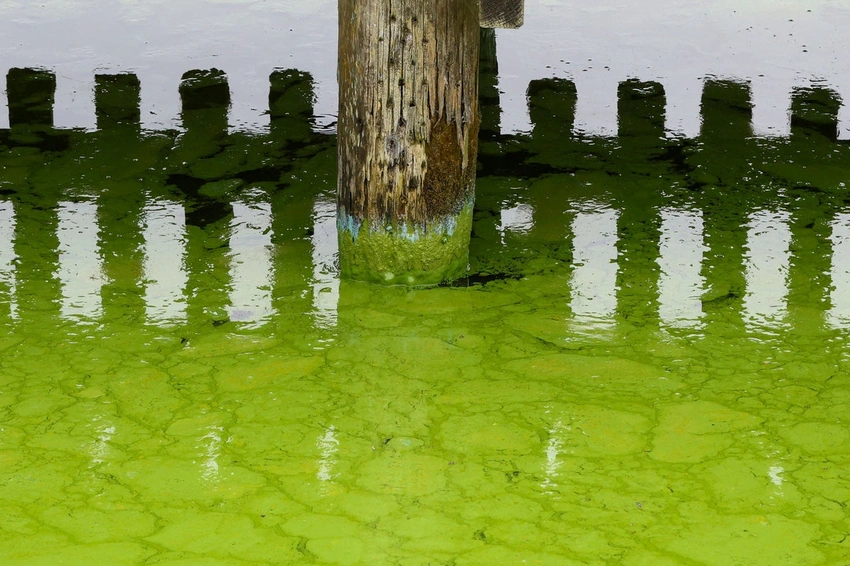
London’s first official River Thames bathing site, located at Ham in south-west London, has been hit with a stark warning: stay out of the water. Swimmers and pet owners are advised to avoid the river due to the discovery of toxic blue-green algae blooms. This alarming development casts a shadow over the newly designated bathing spot and ignites fresh debate around water quality in the capital.
The presence of blue-green algae is unusual for a moving body of water like the Thames. Experts believe the current blooms are a result of a combination of factors: extreme heat, low river flow, and crucially, nutrient pollution from sewage waste. This points directly to the Hogsmill sewage treatment plant, operated by Thames Water in Kingston upon Thames, which sits just three miles upstream from the Ham bathing site. This isn't just an environmental concern; it's a public health issue for those who use the river recreationally.
The algae discovery couldn't come at a worse time for Thames Water, as it intensifies scrutiny over their controversial plans to pump 75 million litres of treated sewage daily into the river near the bathing spot. This proposed water recycling scheme, currently in its pre-application stage, has already faced significant opposition. Local Liberal Democrat MP Munira Wilson, the council, and various river user groups have voiced strong objections, citing concerns about environmental impact and public health.
Marlene Lawrence, from the Teddington Bluetits swimming group, instrumental in getting Ham designated as a bathing water site, expressed her dismay. “This is so unusual to get blue-green algae in a moving body of water. It is the first time in nearly six years of swimming here that this has happened,” she stated. Lawrence also highlighted the role of climate change, noting, “The river is very low-flowing at the moment because of the lack of rain and the high temperatures we are having. With climate change, this is likely to happen more.”
Despite widespread local opposition, Thames Water’s £250 million scheme has been designated a ‘strategic infrastructure project.’ This classification grants it the power to potentially bypass local authority objections, raising further concerns among residents and environmental advocates who fear their voices are being ignored. The ongoing algae crisis at a beloved new bathing spot only amplifies the urgent need for robust environmental protection and responsible water management in the Thames.
