Sonia Gandhi Slams VB-G RAM G Bill; Vows Fight Against 'Black Law'

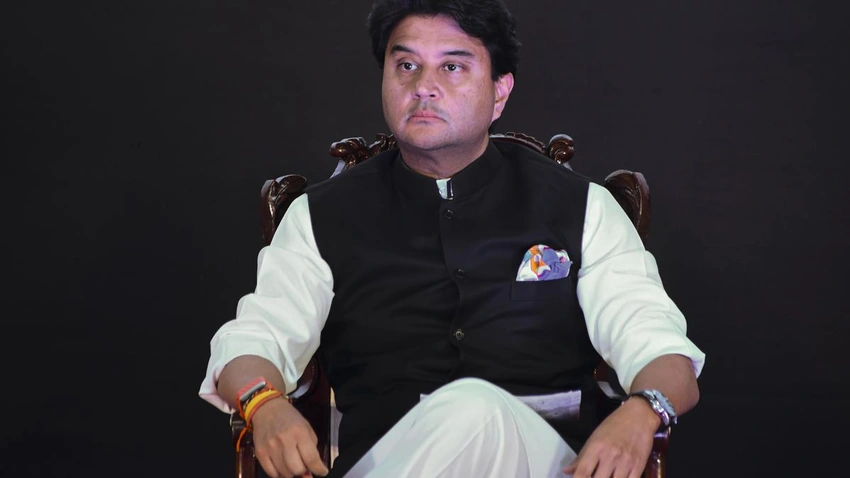
Sonia Gandhi Slams VB-G RAM G Bill; Vows Fight Against 'Black Law'
Sonia Gandhi accuses the VB-G RAM G Bill of bulldozing MGNREGA and harming rural poor, as Parliament passes the reform amid protests and debates over Gandhi’s name removal.
Senior Congress leader Sonia Gandhi fired a broadside at the government’s VB-G RAM G Bill, saying it bulldozes MGNREGA and betrays the poor who rely on rural employment. In a video message and public remarks, she argued that MGNREGA, with its 20-year legacy, provided a legal right to work for millions of rural families, helping them avoid migration in search of jobs and strengthening village panchayats. She warned that the new legislation would hand the Centre in Delhi power to decide who gets work and where, effectively weakening a scheme she called a lifeline for the underprivileged. Gandhi also reminded viewers of the scheme's role in creating livelihoods during COVID-19 and urged supporters to stand against what she described as a deliberate erosion of the Gandhian vision of Gram Swaraj.
Supporters of the VB-G RAM G Bill, including government ministers, say the reform is in the country's interest. They point to a much larger allocation for rural employment—more than ₹1 lakh crore—and to an expanded framework that promises 125 days of wage employment, up from the earlier 100 days. They argue that the new law would reach more people, curb corruption by replacing the old system, and channel funds more directly to those who actually need work. They claimed that those who previously siphoned funds or produced fake bills are unhappy now because the government has tightened oversight and introduced a more robust mechanism to ensure that wages reach beneficiaries.
Opposition parties staged protests as Parliament approved the VB-G RAM G Bill in a winter session marked by controversy over the removal of Mahatma Gandhi’s name from MGNREGA’s branding. Critics have portrayed the measure as a ‘black law’ that would erode a cornerstone welfare program, while supporters insist the change is a necessary modernization. The debate highlighted a broader clash over how best to deliver rural employment and how to maintain trust in public schemes meant to safeguard the livelihoods of farmers, laborers, and landless workers.
As India charts its rural development path, the parliament’s decision and the bill's practical impact on job creation and wages will be watched closely by millions depending on these schemes for their daily bread.
