Day 2 of Musk vs OpenAI Trial: Testy Exchanges Heat Courtroom

Day 2 of Musk vs OpenAI Trial: Testy Exchanges Heat Courtroom
Elon Musk’s testimony on day 2 reveals tensions as he questions OpenAI's shift toward profit in a high-stakes Oakland courtroom.
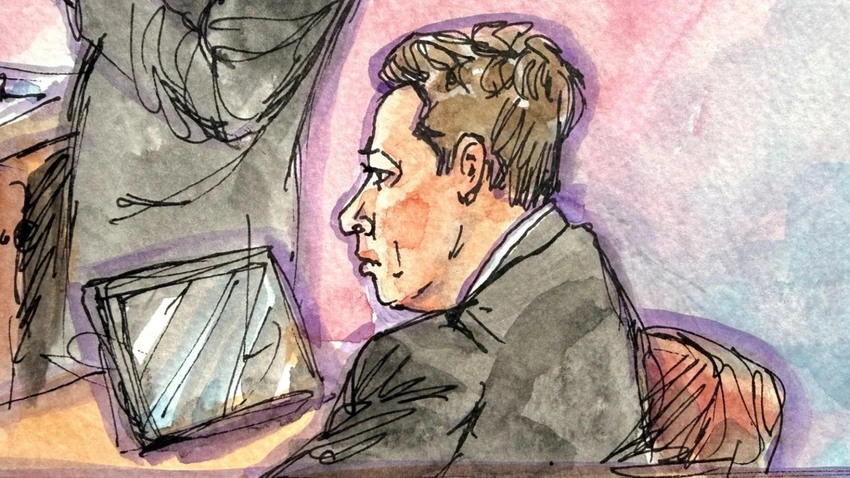
The second day of the OpenAI lawsuit saw Elon Musk on the witness stand again, trading pointed questions with lawyers as tensions ran high. Musk referenced his view that OpenAI’s leadership aimed to create a for-profit entity with as much shareholder ownership as possible, saying, “What they really wanted to do was create a for-profit where they had as much shareholder ownership as possible.” He added that he could have started a for-profit subsidiary, but chose not to, insisting he would not have contributed resources if the founders’ aim had been profit first. He characterized his own role in founding OpenAI as pivotal and suggested he was misled about the company’s long-term trajectory. A notable line from his testimony echoed his broader concern: “tail didn’t wag the dog,” implying that profit motives might overshadow OpenAI’s original mission.
Across the courtroom, the cross-examination grew testy as lawyers for OpenAI and Microsoft pressed Musk on internal motives and strategic decisions. The exchanges underscored the clash at the heart of the case: Musk’s claim that OpenAI abandoned its nonprofit mission in favor of a commercial model intended to maximize shareholder value, while OpenAI contends the company remained committed to advancing artificial general intelligence with broad public benefit. The trial, taking place in a U.S. federal court in Oakland, is guided by Judge Yvonne Gonzalez Rogers and is being decided by a nine-member jury after opening arguments last week.
Musk described his involvement as more than just a donor, noting his range of ventures and the influence he believed he imparted during OpenAI’s formative years. He asserted that his contributions would not have occurred if the founders had intended to pursue profit as their primary goal. The case, filed in 2024, centers on whether OpenAI diverged from its original nonprofit aim, a charge Musk frames as a critical challenge to the governance of a company that has since become a major player in AI development and deployment. As the witnesses continue, observers on both sides are watching how the testimonies might shape perceptions of OpenAI’s mission and the legal arguments surrounding intent and governance.
