Green Sanvi crosses Hormuz as 7th Indian LPG tanker leads a wary convoy

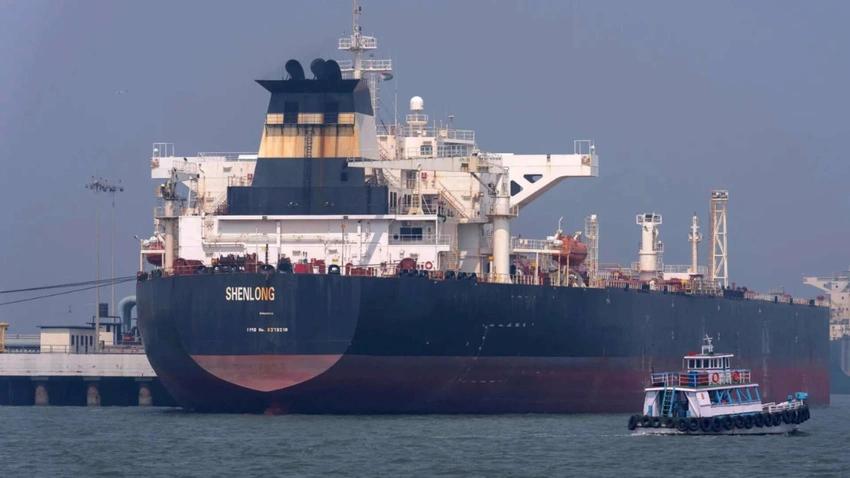
Green Sanvi crosses Hormuz as 7th Indian LPG tanker leads a wary convoy
Seventh India-flagged LPG tanker clears Hormuz amid amid-strain shipping, while 17 Indian ships wait on the western side for a transit window.
In a notable maritime moment, the seventh India-flagged LPG tanker, Green Sanvi, has crossed the Strait of Hormuz this week, signaling a continued push by Indian shippers to maintain steady energy links despite regional tension. The voyage follows six other LPG carriers that have already made it to Indian shores after navigating the strategic waterway, underscoring a rhythm of arrivals that Indian authorities have carefully managed amid evolving security and market dynamics.
But the scene at Hormuz remains crowded and cautious. Seventeen Indian vessels remain stranded west of the strait, including two LPG carriers, Green Asha and Jag Vikram, that are waiting for a clearance to proceed. Earlier reports indicated that three LPG carriers were drifting northeast of Abu Musa Island in the Persian Gulf, moving only on orders from the Indian Navy as they await transit authorization. The situation highlights how both geopolitical currents and commercial terms are shaping who gets through and when.
Beyond the immediate transit dynamics, market conditions around Iran’s crude flows are also shaping decisions. A foreign vessel, previously carrying Iranian oil to India, altered its destination mid-voyage and is now headed toward China. Analysts say such mid-route shifts often reflect tightening payment terms and risk considerations, with sellers leaning toward upfront settlements. If these payment issues are resolved, the cargo could still be routed to an Indian refinery, illustrating how finance and logistics increasingly determine trade routes as much as political navigation.
The broader transit picture includes ongoing monitoring of other Indian-flagged movements. Marine-traffic data indicates that a tanker named Ping Shun had been en route to the Vadinar facility at Deendayal Port in Gujarat, indicating continued engagement with India’s refining hubs as vessels pass through the Hormuz chokepoint. In addition, energy observers note that India has already seen a number of vessels cross Hormuz since late February—eight LPG-linked ships in total, with Green Sanvi among them—signaling both resilience and the sensitivity of energy imports to political pressure and payment terms.
As the corridor remains a focal point of regional tensions, industry watchers say the key will be a cadence of safe transit and reliable payments, ensuring India’s energy inputs keep arriving without triggering broader price shocks. The coming weeks will test how well naval coordination, commercial terms, and global demand interact to keep India’s LPG supply lines open while the Strait of Hormuz remains a volatile chokepoint.
