5 Reasons Why Dolly Parton Will Forever Be an LGBTQ+ Icon
5 Reasons Why Dolly Parton Will Forever Be an LGBTQ+ Icon
5 Reasons Why Dolly Parton Will Forever Be an LGBTQ+ Icon
Dolly Parton became a beloved queer icon not by becoming part of LGBTQ+ culture, but by using her music, faith, humour and unapologetic individuality to make queer people feel at home.
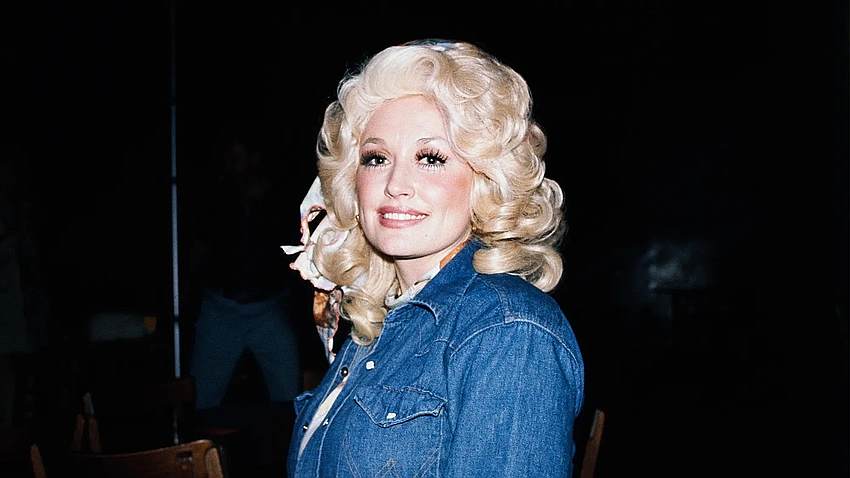
There are certain people whose relationship with queer culture feels almost impossible to explain without making it sound more deliberate than it was. Dolly Parton was one of them. She could walk into a room in rhinestones and a towering blonde wig and somehow make the whole thing feel less like a costume than a language she had invented for herself. Drag queens turned themselves into Dolly in wigs and impossible heels, while gay men carried her lyrics around like scripture. Queer people who had grown up somewhere far from the cities usually imagined as centres of LGBTQ+ life could look at this woman from Tennessee and recognise a passionate refusal to be embarrassed by being exactly who she was.
When Parton died on 25 August, aged 80, the tributes naturally centred on the scale of her career. Nearly six decades in country music, thousands of songs and a catalogue that has travelled far beyond Nashville. Yet her place in queer culture was never simply about the music. It was about the peculiar trust she built with people who had every reason to wonder whether someone so thoroughly associated with conservative America would make room for them.
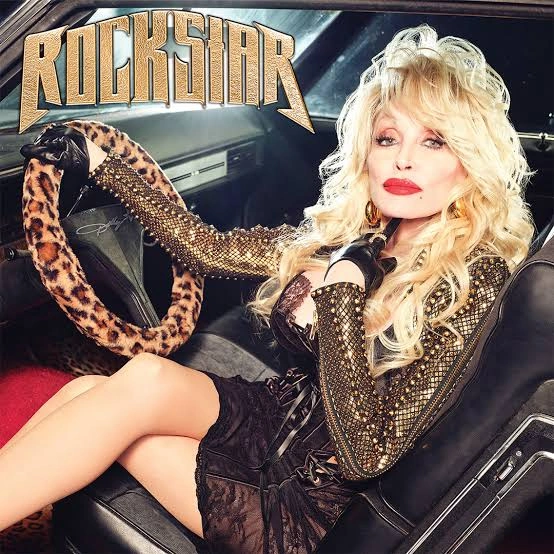
1. She understood the queer art of becoming Dolly
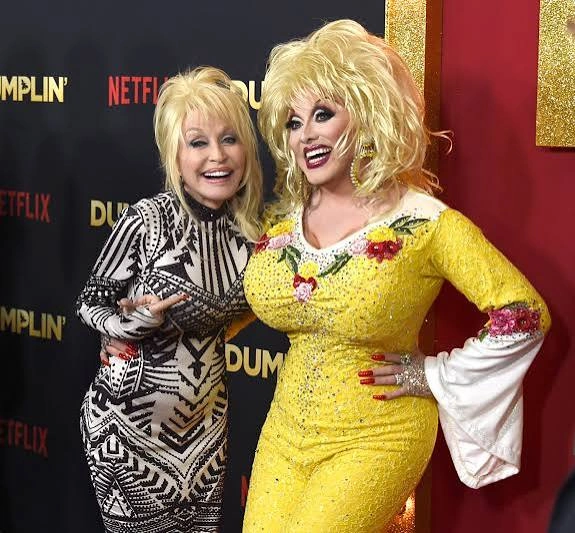
Perhaps the most perfect Dolly story is the one in which Dolly Parton loses a Dolly Parton lookalike competition. She entered the contest secretly on Santa Monica Boulevard in West Hollywood, competing against drag performers who had spent considerably more time perfecting their image than she had. She deliberately exaggerated the features people associated with her and still failed to win. Parton later laughed about coming nowhere close.
It is difficult to imagine a better meeting point between Dolly and queer culture. Drag has always understood something about celebrity that celebrity itself can sometimes miss: an icon becomes more powerful once other people feel entitled to remake her. Dolly did not seem threatened by that transformation. She understood the joke, joined in and let the impersonators have their Dolly.
2. She made room for queer people inside the idea of family
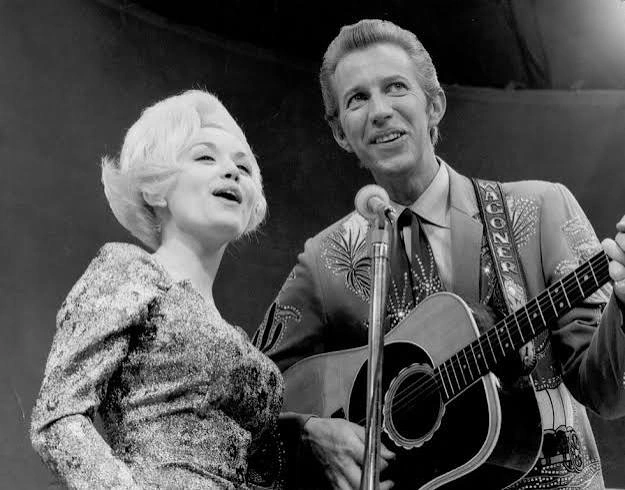
In 1991, Parton released “Family” on Eagle When She Flies. The song imagined family as something capacious enough to include people who might otherwise be treated as difficult, strange or embarrassing, including gay relatives. Its sentiment was remarkably direct for country music at the time: belonging was not conditional on fitting neatly into the family that had produced you.
That idea followed her beyond the record. When a lesbian visitor to Dollywood’s Splash Country said she had been asked to turn her marriage-equality T-shirt inside out in 2011, Parton apologised publicly and reaffirmed that the park welcomed all families. Years later, her Netflix anthology Dolly Parton’s Heartstrings included “Two Doors Down”, an episode centred on a gay couple and the family tensions surrounding their relationship. The episode won a GLAAD Media Award in 2020.
There is something especially significant about this coming from Dolly. She did not have to abandon the language of family, faith or country to make queer people part of it. She kept those things and widened the doorway.
3. She was Christian without making queer people pay for it
This may be the part of Parton’s legacy that matters most to me.
Her Christianity was never a secret. It was woven into how she spoke about herself, her childhood and the world around her. Yet she repeatedly refused the idea that religious belief gave her permission to condemn LGBTQ+ people. In a 2014 interview, when discussing people who judged her gay fans, she pushed the judgement back towards the people doing it. Her answer was characteristically Dolly: she tried to love everybody.
That distinction became increasingly meaningful as LGBTQ+ rights turned into one of the defining political battlegrounds of American public life. In 2023, as Tennessee pursued a series of anti-trans measures, Parton spoke about having transgender, gay and lesbian people among her relatives and employees. She described knowing and loving them and said they could no more help being themselves than she could help being Dolly Parton.
For queer people who have experienced religion as a source of rejection, there was something powerful in watching one of America's most recognisable Christian women refuse that bargain.
4. She put queer stories somewhere everyone could see them
Parton's relationship with LGBTQ+ culture was not confined to private affection. She put queer stories into her work and carried them into places where the audience might not have expected to encounter them.
She wrote “Travelin' Thru” for Transamerica, the 2005 film about a transgender woman travelling across America with her son. The song earned Parton an Academy Award nomination and she performed it at the 2006 Oscars. Two decades later, she collaborated with her goddaughter Miley Cyrus on “Rainbowland”, a song explicitly connected to gay pride.
That matters because Parton's audience has never been confined to one cultural geography. Her appeal stretches from queer clubs to the rural America with which she herself is so closely identified. The image of Dolly standing on a giant awards-show stage singing a song written for a transgender story carries a particular weight because she could take that story somewhere it might not otherwise have travelled.
5. She made being loved feel bigger than being approved of
This is perhaps the hardest thing to quantify, and the reason Dolly's relationship with LGBTQ+ people will probably outlast the individual moments that made her an ally.
She understood the emotional difference between tolerance and affection. When she spoke about her gay following, she did so with amusement and genuine fondness. She once joked that some of her gay fans looked more like Dolly than she did. It was funny because it contained a strange kind of intimacy: she knew that queer people had claimed her, and she had claimed them back.
That exchange of affection is what makes her legacy feel different from a celebrity's list of correct political positions. Dolly did not become an LGBTQ+ icon because she occasionally said the right thing. She became one because queer people recognised themselves in the world she had built around her: the camp, the performance, the enormous femininity, the humour, the refusal to apologise for taking up space.
And perhaps that is why her death feels so personal to a community that she never belonged to herself. Dolly Parton spent her life being unmistakably Dolly, while making room for other people to become themselves unmistakably. For generations of LGBTQ+ people, particularly those who grew up hearing that their faith, their family or their home could never accommodate them, there was something reassuring about seeing her stand there in all that hair and glitter and country twang, insisting that love had room for everybody.
Dolly never needed to become queer to become ours. She simply understood what it meant to be loved by people who had spent their lives being told they were too much, too strange or too difficult to belong. And then she loved them back. And we will, too, always love you Dolly!
