SC dismisses bid for separate DNT census in 2027, warns against new classifications

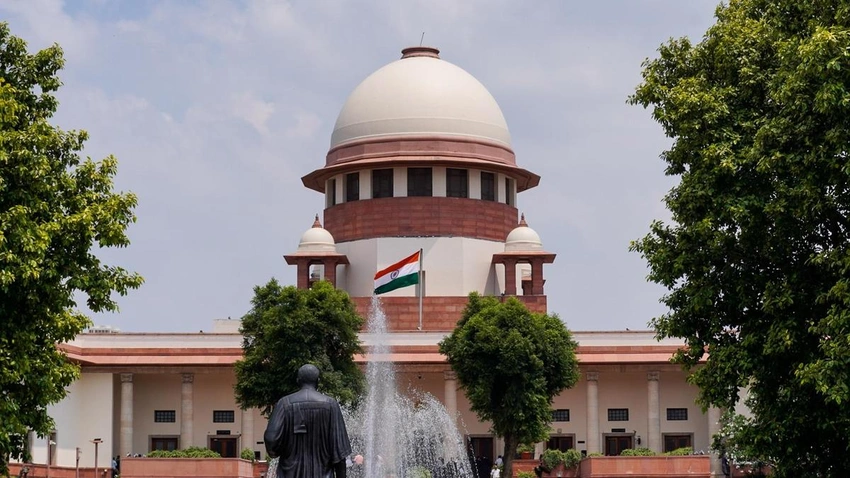
SC dismisses bid for separate DNT census in 2027, warns against new classifications
Supreme Court rejects petition for distinct DNT enumeration in the 2027 Census, urging caution against creating new classifications in a casteless society.
In a high-stakes decision, the Supreme Court on Tuesday (March 24, 2026) dismissed a petition seeking a separate enumeration of Denotified, Nomadic, and Semi-Nomadic Tribes (DNTs/NTs/SNTs) in the upcoming 2027 Census. Chief Justice of India Surya Kant remarked that there seemed to be a calculated, deep-rooted effort to divide the country, asking, “When we are striving for a casteless society, do you want to create more classes?” The court disposed of the petition with liberty to the petitioners to approach appropriate government authorities with a representation.
Advocates for the DNT communities had argued that these groups have never been counted in any Census since the Republic’s formation, and that the lack of data has barred members from accessing government benefits and affirmative action in their collective interest. The petition, they said, called for a distinct census column to enumerate DNTs in the 2027 forms, mirroring broader demands for visibility and policy attention.
Mobilisation around a dedicated DNT column in Census forms has been gaining pace, with supporters insisting that enumeration would help address long-standing gaps in data and service delivery. However, the bench’s ruling signals that such a change would require broader policy-level deliberation and consensus, rather than a judicial directive alone. The court’s decision leaves room for the petitioners to channel their representations to relevant authorities, while reaffirming the objective of a casteless society without adding new classifications.
