Who Owns Space Internet: Public Utility or Private Goldmine?

Who Owns Space Internet: Public Utility or Private Goldmine?
With SpaceX launching rockets from both coasts in just two days, space internet is expanding fast. But should this vital service be run for private profit, or regulated as a public utility for everyone?
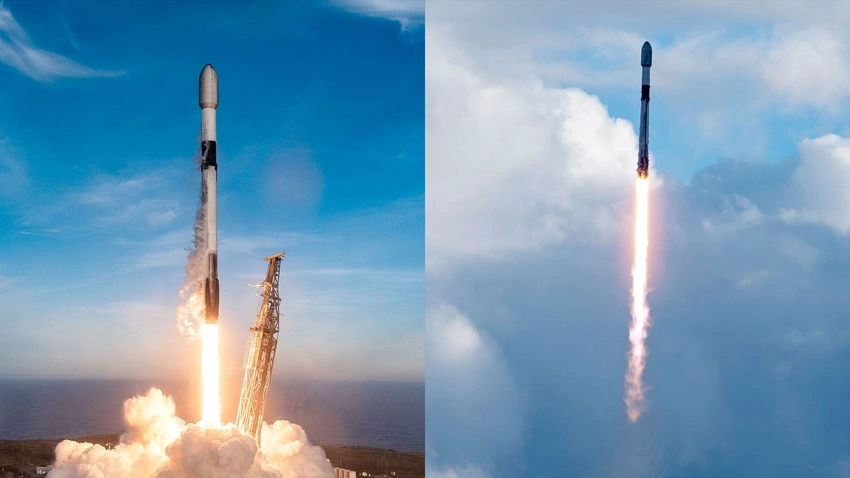
Look up at the night sky. Chances are you might spot a train of bright lights cruising through the darkness. Space-based internet is no longer a sci-fi dream. Just look at the recent events on March 13 and March 14, 2026, when SpaceX successfully launched two separate batches of Starlink satellites. They fired off rockets from both coasts, Vandenberg Space Force Base in California and Cape Canaveral Space Force Station in Florida, within a 48-hour window. The sheer scale is staggering.
But this massive expansion brings up a massive question. Should space-based internet remain a purely private business, or is it time to treat it like a public utility?
The Case for Private Enterprise Let us be honest about one thing. Private companies like SpaceX are moving at lightning speed. When bureaucracy bogs down government projects, private space companies are out there iterating, launching, and expanding coverage. * Rapid Innovation: Market competition drives tech forward faster than red tape. * Global Reach: They are providing internet access to remote corners of the Earth that traditional telecom companies abandoned long ago.
If we heavily regulate these networks as utilities, do we risk slowing down this incredible progress?
The Public Utility Argument On the flip side, the internet is no longer just a luxury. It is required for education, healthcare, and employment. When a single billionaire or a handful of corporations control the satellites beaming our data, we face real risks. * Price Control: Without regulation, what stops a monopoly from hiking prices out of reach for everyday people? * Censorship and Access: A private entity can decide who gets service and who gets cut off. That is a lot of power over global communication.
We already treat water and electricity as public utilities because society cannot function without them. It is becoming incredibly obvious that high-speed internet belongs in that same category.
Finding the Balance We need a compromise. We absolutely need the relentless drive of the private sector to build these satellite constellations. However, we also need basic guarantees for the public. A hybrid model could be the answer. Governments could subsidize access for lower-income rural areas while enforcing baseline rules on fair pricing and net neutrality.
The stars belong to all of us. As our skies fill with the backbone of tomorrow's internet, we have to ensure the benefits reach everyone down here on Earth.
