Andy Weir Walks Back Star Trek Jab, Says He Was Trying to Be Funny

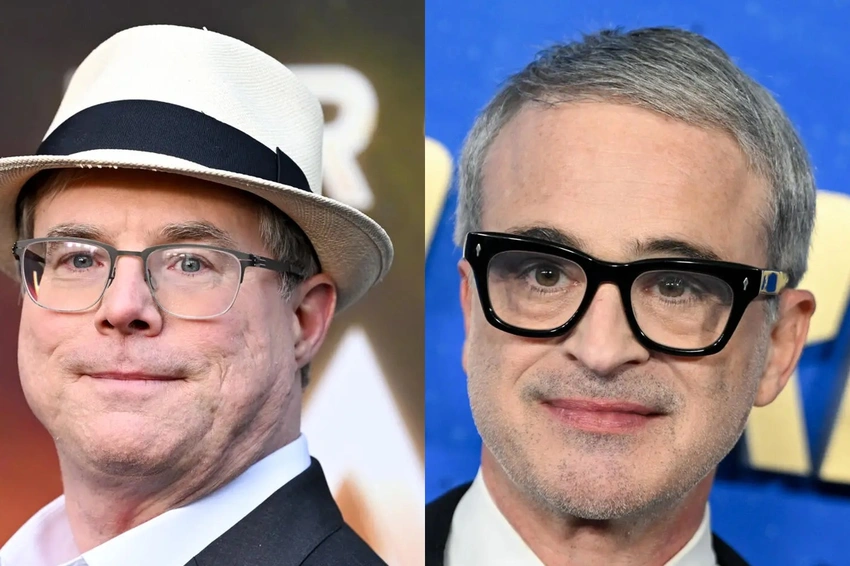
Andy Weir Walks Back Star Trek Jab, Says He Was Trying to Be Funny
Andy Weir apologizes after calling some Star Trek shows 's---,' clarifying it was meant as humor and praising the Star Trek boss.
Andy Weir sparked headlines after saying in a recent interview that some Star Trek shows are s---, a remark he later said was intended as humor. He also described Star Trek producer Alex Kurtzman as a really nice guy while offering a mixed critique of the franchise's current batch of series. The Project Hail Mary author’s comments drew quick reactions from fans and industry watchers alike, highlighting the tightrope creatives walk when offering opinions about beloved franchises.
In subsequent coverage, Weir walked back the criticism, telling audiences he doesn’t hate Star Trek and that his comments were meant as personal opinion, not a broad slam. He emphasized that he’s a fan at heart and that his aim was to be funny rather than dismissive. The conversations intensified after Variety noted the apology and framed it within the context of ongoing conversations about streaming shows and franchise direction.
The controversy comes as Weir remains closely tied to blockbuster momentum, with his name linked to one of the year’s biggest films. Even as his film work dominates conversation, his quick quips about Star Trek and its leadership sparked new debate about boundary-pushing humor, celebrity opinions, and how creators navigate public perception. The episode serves as a reminder that even well-liked voices can land on the wrong side of a fandom’s expectations, and that a sincere apology can help reset the conversation toward shared appreciation for the stories both sides celebrate.
Industry observers note that remarks like these rarely derail a creator’s career, but they can shape how audiences view future projects and collaborations. Weir’s willingness to clarify and apologize may smooth relations with Star Trek fans while keeping the spotlight on his upcoming work, underscoring the enduring power and fragility of celebrity commentary in the streaming era.
As the dust settles, fans and commentators will watch to see how this moment influences future conversations about franchise storytelling, humor, and the boundaries of online discourse.
