Ed Sheeran's B-Stage Removal: Is Extreme Fandom Silencing Artists?

Ed Sheeran's B-Stage Removal: Is Extreme Fandom Silencing Artists?
Ed Sheeran's recent decision to ditch his B-stage due to fear of crowd reaction spotlights a disturbing trend. Are polarizing issues and aggressive fan behavior forcing artists to retreat from genuine connection?
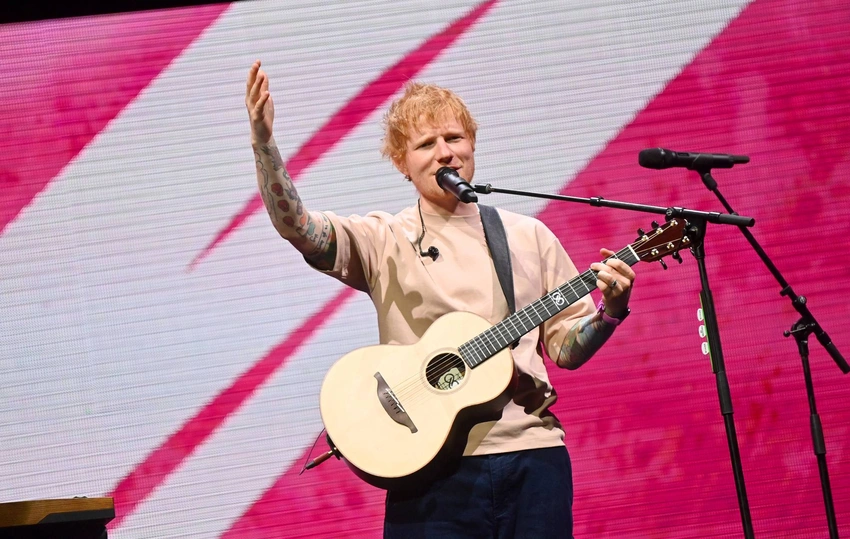
Ed Sheeran’s recent confession from Philadelphia’s Lincoln Financial Field rings a concerning bell for anyone invested in live music: he removed his signature B-stage due to fear. This wasn't a logistical decision, but a profound statement about the increasingly volatile landscape artists navigate.
His return to the 'Loop' tour followed a turbulent week. Macklemore, a support act, was dropped over pro-Palestine comments, leading to a cascade of other support acts and the backing band withdrawing. The atmosphere was undoubtedly charged, leaving Sheeran feeling vulnerable on his own stage.
I took the B-stage out because I was afraid of what might happen if I stood in the middle,
Sheeran admitted to the crowd. It's about a beloved artist, known for his intimate connection with fans, feeling unsafe to engage in the very act that defines his live performances. The B-stage is designed for proximity, for that shared, electric moment, and its removal speaks volumes about the current state of fan-artist relationships.
Sheeran also delved into the wider controversy, acknowledging he’d made “mistakes” and had contemplated stepping away from music. He spoke about being criticized not for his art, but for navigating “the most complex political issue on the planet.” He never wanted to be an “activist musician,” yet found himself embroiled in a passionate argument about freedom of speech and humanitarian concerns.
His worry extends beyond personal safety to industry-wide implications: “I am deeply worried about the idea that venues should pre-approve content for performers.” This highlights a chilling prospect where the spaces meant for artistic expression become censored grounds, stifling vital conversations before they even begin.
Touching on the Israel-Gaza conflict, Sheeran stated,
This is a humanitarian issue, and I cannot hide how I feel about it anymore.
He condemned both the Hamas-led attack and the “catastrophic, unjustifiable, and disproportionate” events in Gaza, lamenting the loss of civilian lives and systemic injustice.
Sheeran's emotional account of the “worst week” of his life, discovering “who your friends are” in a crisis, is a poignant reminder of the human element behind the headlines. When artists, who often serve as unifying forces, are driven to fear and forced to compromise their performances, we must ask: what have we lost in the name of extreme fandom and political polarization?
And how do we reclaim the shared space of live music for connection, not division?
