Chennai Braces as Petrol, Diesel Price Hike Shocks Motorists

Chennai Braces as Petrol, Diesel Price Hike Shocks Motorists
Shocking fuel price rise in Chennai triggers panic queues, cost worries for drivers, and calls for tax relief to ease transport costs.
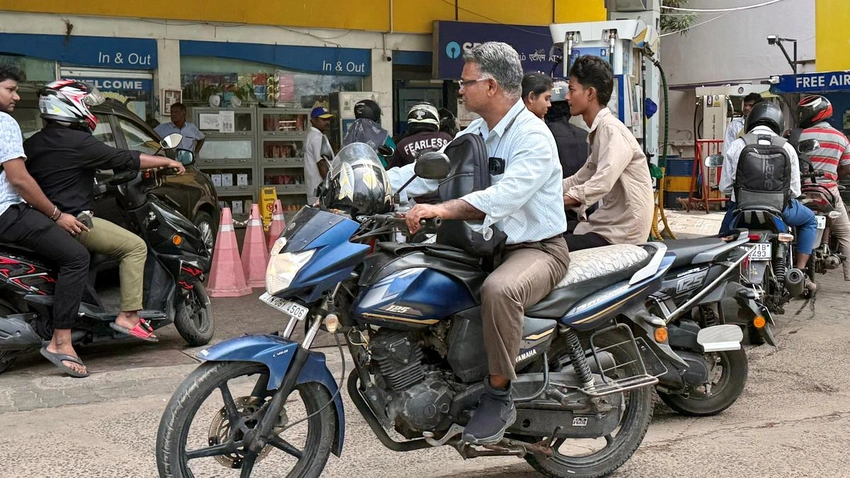
A fresh hike in petrol and diesel prices arrived early on Friday, catching many motorists in Chennai by surprise and sparking scenes of panic at fuel bunks. Long queues formed as people sought to fill up before the prices rose further, with some fearing the impact on daily travel and cab fares.
Industry voices say the price surge comes despite a period of relatively high crude costs and ongoing global tensions, and critics are calling for urgent relief measures. S. Balasubramanian of a drivers’ association pointed out that even when crude prices were lower, retail fuel remained expensive, hitting auto rickshaw and taxi drivers hardest. He urged the Centre to reconsider exports by private refineries and for the government to intervene to stabilise supplies and curb costs as the war and elevated crude prices linger.
Taxi and auto operators’ groups also pressed for action, asking Chief Minister C. J. Vijay to trim the state’s share of fuel taxes until normalcy returns. They argued that any reduction in cess could provide immediate relief to drivers who have been grappling with low metre fares and rising operating costs, now further strained by the current price spike.
Consumer advocates warned that the price hike would ripple through the economy, driving up the cost of goods and services as transport charges climb. With transport forming a significant part of daily expenses, many workers and service providers fear further financial pressure. The associations noted that several companies have not yet raised salaries to offset post-pandemic inflation, making relief on fuel even more urgent for both public transport and private commuters.
The Tamil Nadu Petroleum Dealers Association stressed that public sector oil marketing companies had kept fuel prices stable for almost four years, a claim underscoring the suddenness of the latest rise and the broader debate over pricing, supply, and government policy. The ongoing volatility has left many consumers unsure about how soon prices might stabilise and what additional steps might be taken to protect vulnerable commuters and small transport operators.
