The Convenience Paradox: Are We Optimizing Ourselves Into Isolation?

The Convenience Paradox: Are We Optimizing Ourselves Into Isolation?
Our modern world promises ultimate convenience, but is it secretly eroding our social connections and making us lonelier than ever? Let's explore the hidden costs of an optimized life.
We're living in an age where life's never been easier. Groceries arrive at our door, entertainment is a click away, and dating happens with a swipe. Yet, despite all these incredible advancements, a subtle, pervasive unease is setting in.
We're more 'connected' than ever through our screens, but are we truly connecting with each other?
It's a growing societal paradox we need to confront.
The Convenience Trap
The relentless drive for convenience is deeply ingrained in human nature, and technology has become its ultimate enabler.
We've outsourced errands, simplified tasks, and optimized our lives to save precious minutes. Think about it: why leave the house when everything you need can be delivered?
This efficiency, while seemingly liberating, often comes at a hidden cost.
It diminishes the very interactions that build community and foster a sense of belonging.
Invisible Walls
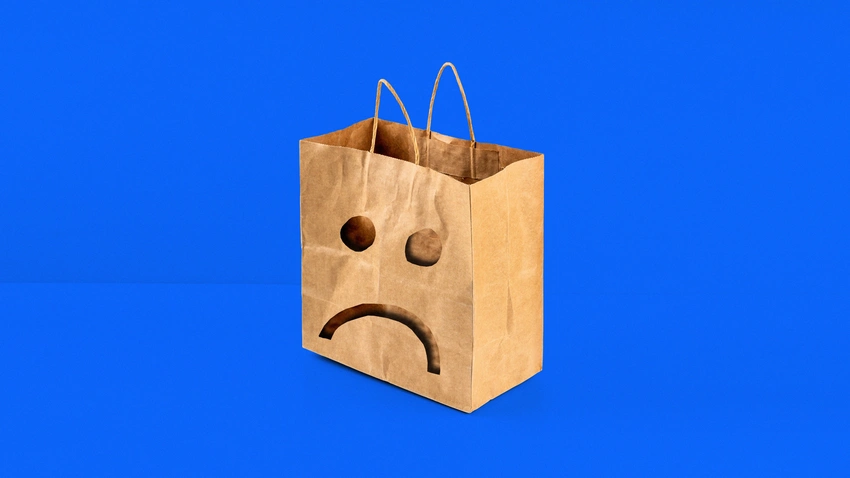
Consider the rapid rise of on-demand services. Instead of grabbing takeout and chatting with the restaurant owner, a faceless driver delivers a bag to your doorstep. Instead of browsing a physical store, we click 'add to cart' alone at home.
These innovations, while undoubtedly efficient, subtly build invisible walls between us. We're retreating into increasingly private, personalized bubbles, where the collective experience of simply being out in the world with other people is diminishing.
It's a quiet erosion, almost imperceptible until we stop and look around.
The spontaneous encounters at the local coffee shop, the shared laughter in a crowded public space, these aren't just inefficiencies to be streamlined away; they are the vibrant threads of our social fabric.
The Price of Efficiency
This isn't about shunning progress. Nobody genuinely wants to revert to slower, more cumbersome ways of life just for the sake of it. The real challenge lies in recognizing the profound trade-offs.
When our lives are meticulously optimized for maximum efficiency, we inadvertently minimize opportunities for genuine community, unexpected spontaneity, and shared vulnerability. We gain time, perhaps, but we often lose the rich tapestry of human connection that makes life truly vibrant. It's a profound irony: the very tools designed to make our lives richer often leave us feeling emptier, more isolated.
As one thought leader aptly put it, “ Convenience is a super drug, and we are addicted. ” It gives us instant gratification but can leave us with a long-term deficit in meaningful connection.
Reclaiming Our Connections
So, what's the answer to this burgeoning crisis of connection? It's not about ditching our smartphones or boycotting online shopping entirely. It's about conscious, deliberate choices.
It's about remembering that convenience is a tool to serve us, not to dictate our entire existence.
We need to intentionally carve out space for face-to-face interaction, to seek out community activities, and to actively resist the urge to automate every single human touchpoint out of our lives. Let's make time for those 'inefficient' moments, the ones that spark real conversations, build relationships, and nourish our souls.
Because in a world of endless convenience, genuine human connection might just be the most valuable, and often the most 'inconvenient,' thing of all.
