Kolkata's Suhrawardy Avenue Renamed Gopal Mukherjee Road Amidst Row

Kolkata's Suhrawardy Avenue Renamed Gopal Mukherjee Road Amidst Row
KMC renames Suhrawardy Avenue to Gopal Mukherjee Road, sparking debate over historical accuracy versus political narratives from the 1946 Calcutta Killings.
In a significant move stirring public and political discussion, the Kolkata Municipal Corporation (KMC) has officially renamed the city’s prominent Suhrawardy Avenue as Gopal Mukherjee Road. This decision, formalized in a notification on June 20, comes barely six weeks after the Bharatiya Janata Party (BJP) government assumed power in West Bengal, marking its first major rechristening exercise.
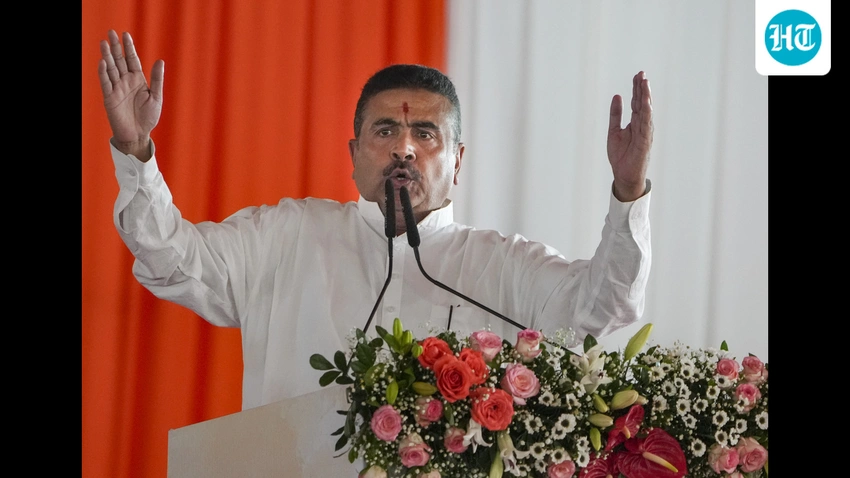
The road, situated in Kolkata’s bustling Park Circus area, has long been a point of contention for right-wing groups. They assert it was named after Huseyn Shaheed Suhrawardy, a notable Bengali politician and former Prime Minister of undivided Bengal, whom they hold responsible for the devastating communal riots of 1946, infamously known as the “Great Calcutta Killings.” Chief Minister Suvendu Adhikari lauded the KMC's decision, stating that the city's major artery had for decades honored someone who "wilfully misused state power as a weapon, orchestrating the massacre of innocent citizens for sheer political gain."
However, this narrative faces strong opposition from scholars and historians. They emphasize that historical records, including old editions of the Calcutta Municipal Gazette from 1932–33, indicate the road was named after Hassan Shaheed Suhrawardy, Huseyn’s uncle. Hassan Shaheed Suhrawardy was a respected Bengali academic, scholar, and art critic with no documented involvement in the 1946 communal unrest, and the road was named long before his nephew, Huseyn, rose to political prominence.
The new namesake, Gopal Mukherjee, more commonly known as Gopal Patha (where ‘Patha’ means goat, referencing his family's meat shop business in central Kolkata), is celebrated by right-wing groups for purportedly “saving” numerous Hindu families during the very same 1946 riots. The decision to honor Mukherjee is seen by his proponents as a rectification of historical memory and a tribute to a local hero.
This renaming highlights a broader cultural and political struggle over historical interpretation and public memory in West Bengal. While proponents view it as a rightful acknowledgment of past injustices and heroes, critics raise concerns about historical revisionism and the political implications of such decisions.
