Uttarakhand Temple Panel Proposes Non-Hindus Ban at Gangotri, Kedarnath, Badrinath

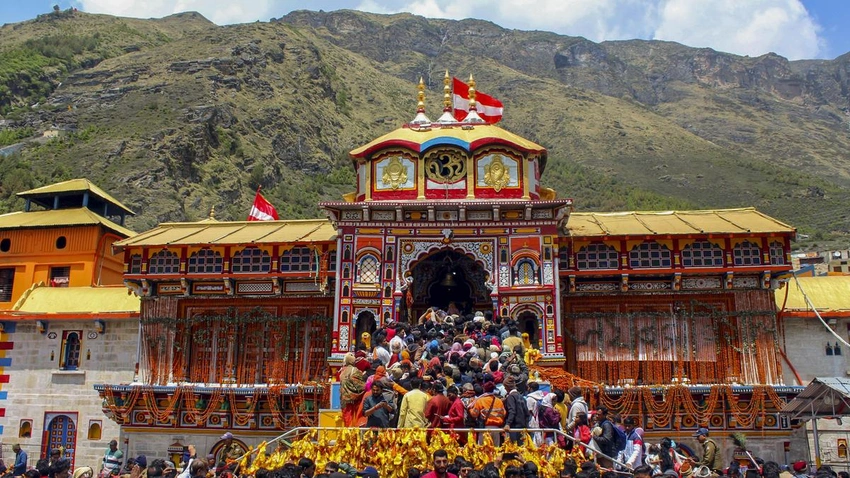
Uttarakhand Temple Panel Proposes Non-Hindus Ban at Gangotri, Kedarnath, Badrinath
A temple panel in Uttarakhand proposes banning non-Hindus from Gangotri, Badrinath and Kedarnath dhams and could extend to Haridwar ghats, as government reviews laws.
In a unanimous move, the Shri Gangotri Temple Committee announced that non-Hindus will be prohibited from entering the Gangotri Dham in Uttarakhand. The chair said a proposal to extend similar restrictions to Badrinath and Kedarnath Dham and all temples under the committee will be presented at the upcoming board meeting. Officials emphasised that the government will consider the views of all stakeholders while reviewing laws related to religious sites. The plan also signals possible restrictions at Haridwar ghats, with authorities weighing measures to safeguard the sanctity of these sacred spaces.
Haridwar, a town famed for its 105 ghats along the Ganga, figures prominently in the discussions, with the government exploring designating Haridwar and Rishikesh as “Sanatan Pavitra Shehar” or sacred cities. The push reflects requests from certain seers and the Ganga Sabha, the body responsible for maintaining Har-ki-Pauri and other ghats. The idea is framed as a step to preserve religious conduct and the cultural heritage of Devbhoomi Uttarakhand.
Officials stressed that the proposals are at an early stage and require board approval. They underscored the sensitivity of religious spaces, noting that access for pilgrims and the management of pilgrimage sites must be balanced with the rights of visitors. Chief Minister Dhami said the government will “consider the view of all stakeholders” while reviewing related laws. The discussions come amid ongoing debates about how to regulate entry to the Char Dham circuit and other sacred locations.
Observers point out potential legal and logistical challenges, including how entry is monitored and how exemptions could be handled. Still, supporters argue that safeguarding sanctity is essential for the preservation of these revered sites and the communities that rely on pilgrimage traffic.
