“Train Dog” Mania: Unpacking Our Obsession with Absurd Internet Memes
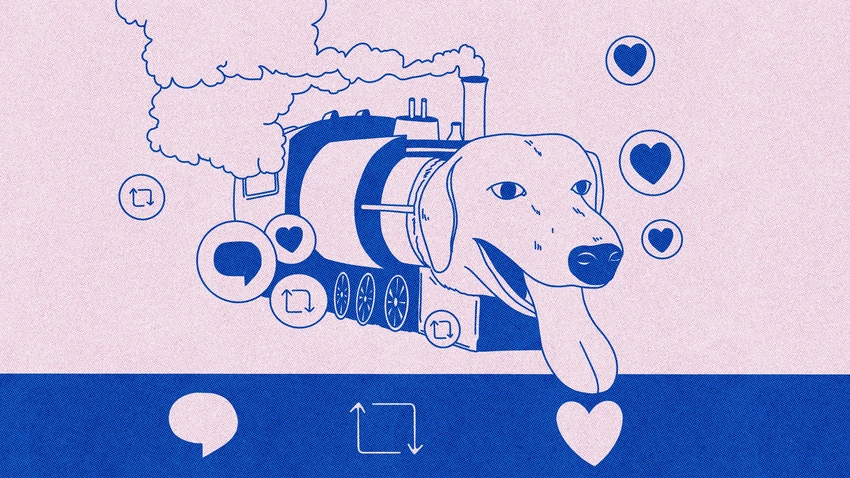
“Train Dog” Mania: Unpacking Our Obsession with Absurd Internet Memes
From “Train Dog” to viral sensations, explore the fascinating psychology behind why we can't get enough of the internet's most bizarre creations. What makes a meme magic?
Why We Love Absurd Internet Memes: The Psychology Behind 'Train Dog' and Our Online Obsessions
What makes a 'weird, awkwardly fused creature' like 'Train Dog' become the meme of the summer? It’s more than just a fleeting image; it’s a window into our collective online psyche, a testament to our peculiar digital cravings. We often wonder why such seemingly nonsensical content captures our attention so completely, but the answers are surprisingly rooted in human psychology and the unique dynamics of internet culture.
The Irresistible Pull of 'Train Dog'
Consider 'Train Dog'—a bizarre amalgamation that, as expertly observed by Megan Garber in 'The Atlantic' and brought to vivid life by Alisa Gao's distinctive illustrations, defined a significant chunk of our recent digital experience. This wasn't just another viral picture; it was a phenomenon, a “strange, explicable appeal” that permeated feeds and conversations. Its core appeal lies in its fundamental absurdity. In a world often demanding complex thought and serious consideration, 'Train Dog' offered a delightful, low-stakes disruption of the ordinary. It was unexpected, novel, and utterly without pretension.
Our Brains Crave Novelty and Connection
Our brains are hardwired for novelty. The unexpected nature of a 'weird, awkwardly fused creature' like 'Train Dog' triggers a primal curiosity. It's a cognitive tickle, a moment of delightful confusion that releases a small hit of dopamine. This isn't about deep intellectual processing; it’s about instant, unadulterated amusement. The beauty of these memes is their ability to surprise and entertain without demanding significant mental effort. They offer a refreshing break from the cognitive load of everyday life.
Beyond individual amusement, sharing 'Train Dog' isn't just about showing something funny; it's a powerful social signal. It creates instant common ground, a shared moment of “what even is this?” that binds online communities. In a vast digital landscape, these shared absurdities forge connections, creating a sense of belonging and collective experience. We find solidarity in shared confusion and laughter, turning a simple image into a communal touchstone.
Escapism and Creative Play
Moreover, absurd memes like 'Train Dog' offer a crucial element of escapism. In a world saturated with complex issues and information overload, the simple, nonsensical joy of a 'weird, awkwardly fused creature' provides a quick, refreshing mental palate cleanser. It’s a moment to disengage, smile, and recharge before diving back into the demands of reality. This lightheartedness is a valuable commodity in our always-on culture.
Finally, the magic of memes lies in their invitation to participate. 'Train Dog' wasn't just an image to be consumed; it was a canvas for creativity. It prompted remixes, reinterpretations, and personalized versions, transforming passive viewers into active creators. This spirit of collaborative play and user-generated content is a cornerstone of internet culture, making everyone a contributor to the evolving narrative. The original vision by Megan Garber and Alisa Gao became a jumping-off point for countless individual expressions.
Our love for 'Train Dog' and other absurd internet memes isn’t accidental. It’s a reflection of our inherent human desire for connection, novelty, lighthearted escapism, and creative expression. These 'awkwardly fused creatures' are more than just fleeting images; they’re cultural touchstones, revealing much about our collective online obsessions.
