VB-GRAM G Act replaces MGNREGA, promises 125 days of work

VB-GRAM G Act replaces MGNREGA, promises 125 days of work
New rural employment law replaces MGNREGA, pledging 125 days of work with a revamped funding model to reshape India's countryside.
A major shift in India's rural employment policy is underway as the VB-GRAM G Act 2025 replaces the MGNREGA. The new law promises 125 days of work per household and introduces a redesigned funding structure intended to streamline how public works are financed across the countryside.
Key features include the guaranteed 125 days of employment, a funding model that ties allocations to productive rural projects, and a framework aimed at faster project delivery. Supporters say it could make rural jobs more predictable and better aligned with agricultural cycles.
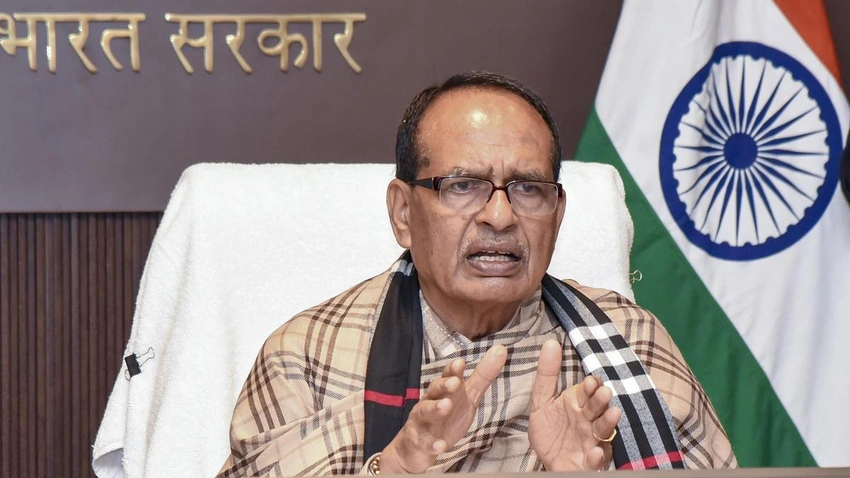
Experts, policymakers, and workers are weighing in. The move is intended to address labour shortages during peak farming seasons, with leaders like Shivraj Chouhan highlighting this gap and arguing the new act will fill it. Detractors warn about potential implementation hiccups, funding delays, and the risk of shrinking coverage from the older MGNREGA scheme.
The shift signals a broader push toward the Viksit Bharat initiative, and observers will be watching rollout across states to see how the changes affect rural livelihoods, public works quality, and financial accountability.
As the policy unfolds, the public and the workforce will be looking for clear timelines, grievance redressal mechanisms, and transparent reporting to ensure the promise of 125 days translates into steady work and real improvement in rural living standards.
