Backrooms and the Cinema of Digital Folklore

Backrooms and the Cinema of Digital Folklore
Backrooms and the Cinema of Digital Folklore
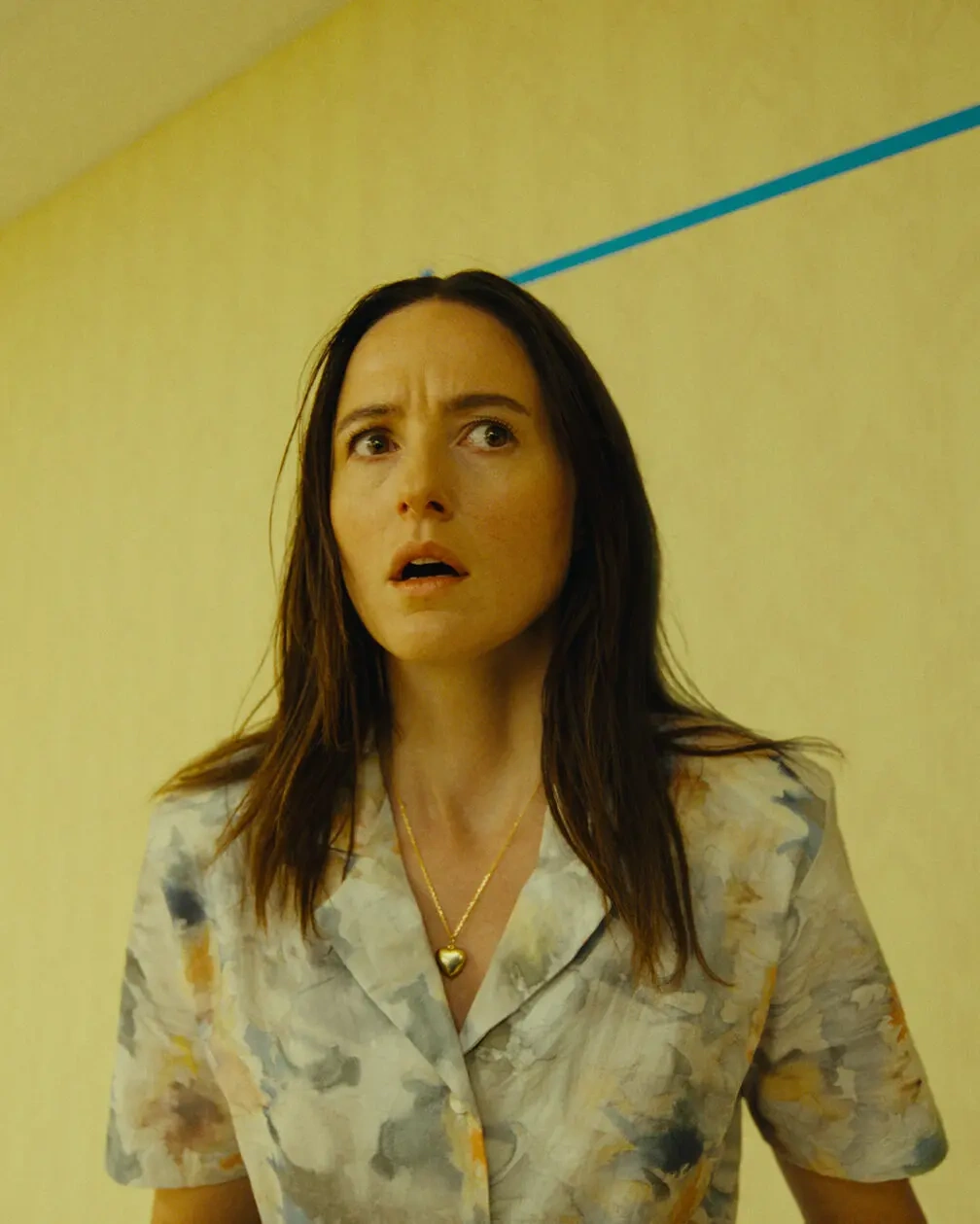
From a viral internet image to a full-length A24 horror, Backrooms reshapes online folklore into cinema, proving the scariest monster may be the endless space you wander.
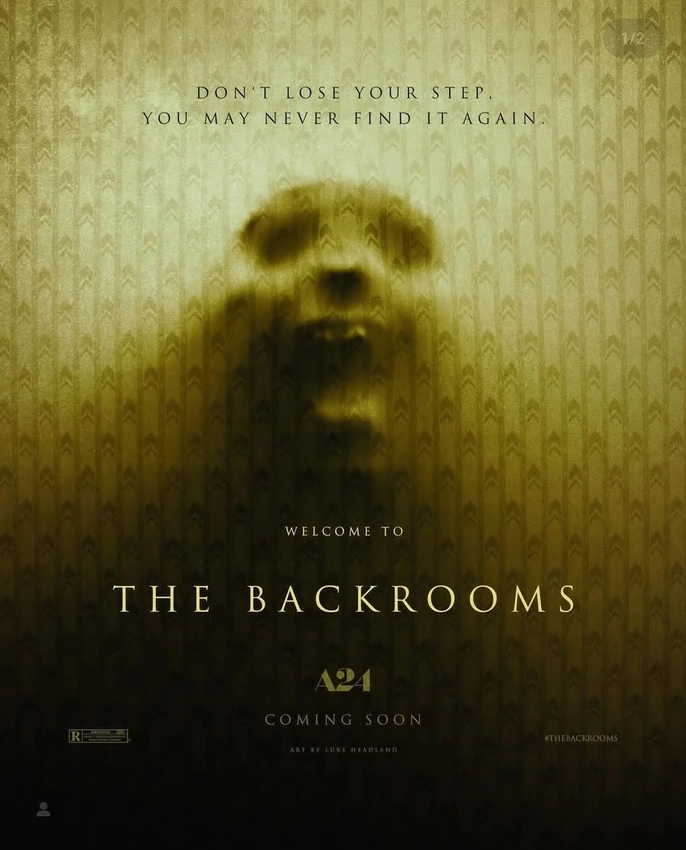
There is something strangely fitting about Backrooms arriving in cinemas in 2026. The horror genre has always borrowed from folklore, urban legends and collective anxieties, but this time the folklore was born entirely online. Before it became an A24 feature, Backrooms existed as an internet image, then as an expanding mythology, and finally as Kane Parsons' extraordinary YouTube series. The film feels less like a conventional adaptation than the moment when internet culture officially entered the cinematic canon.
Unlike many horror films inspired by online trends, Backrooms understands that its greatest monster is not a creature hiding in the dark. It is space itself.
From Creepypasta to Cinema
The original Backrooms myth emerged from an anonymous internet post depicting endless yellow office corridors illuminated by fluorescent lights. It was an image that felt uncannily familiar despite belonging nowhere. The accompanying idea was simple. If reality glitched, you might accidentally "clip" into these endless rooms, trapped forever inside an architecture with no purpose.
Kane Parsons transformed this concept into one of YouTube's most remarkable horror successes through his Backrooms series, combining found footage aesthetics with sophisticated visual effects that he largely created himself. Those short films proved that atmosphere could be more frightening than spectacle.
The feature film represents an unusual trajectory in contemporary filmmaking. Rather than Hollywood discovering an existing intellectual property, Hollywood recognised an internet creator whose work had already demonstrated cinematic ambition. At just twenty years old, Parsons became A24's youngest feature director, an achievement that reflects how digital platforms are reshaping pathways into filmmaking.
The Horror of Empty Architecture
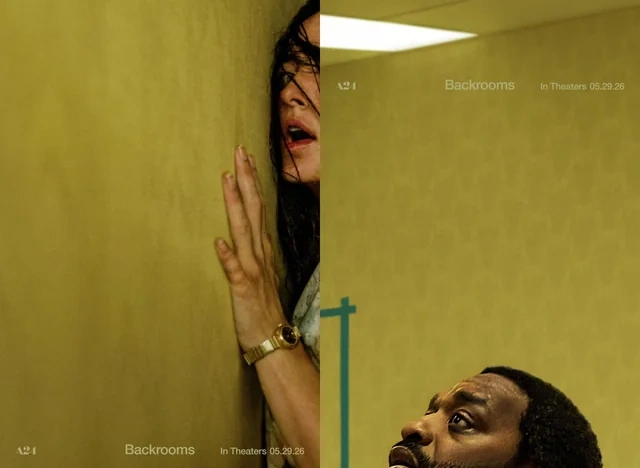
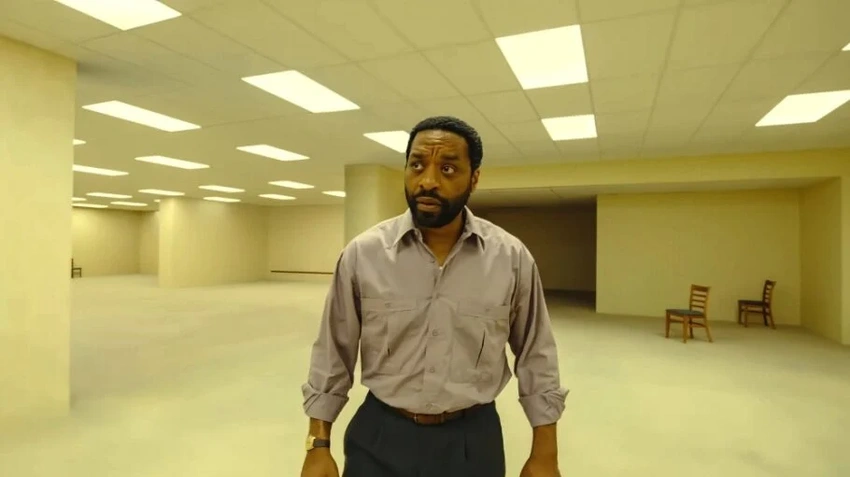
What makes Backrooms particularly fascinating is that its horror emerges from architecture rather than violence.
The film follows Clark, a furniture store owner who discovers an impossible doorway leading into an infinite labyrinth beneath his showroom. His disappearance draws his therapist, Dr Mary Kline, into the mystery, creating a narrative that combines psychological horror with science fiction.
Yet the plot is almost secondary. The true protagonist is the environment itself.
Literature has long explored haunted houses, cursed castles and labyrinths. Borges imagined infinite libraries. Kafka trapped individuals inside incomprehensible bureaucracies. Backrooms extends this literary tradition into the age of shopping centres, office spaces and furniture warehouses. These are spaces designed for efficiency and consumption, yet stripped of people they become profoundly uncanny.
The endless repetition of wallpaper, fluorescent lighting and identical corridors creates an unsettling contradiction. Everything appears ordinary, but nothing feels human.
This is horror built from familiarity rather than monstrosity.
Liminal Spaces and Contemporary Anxiety
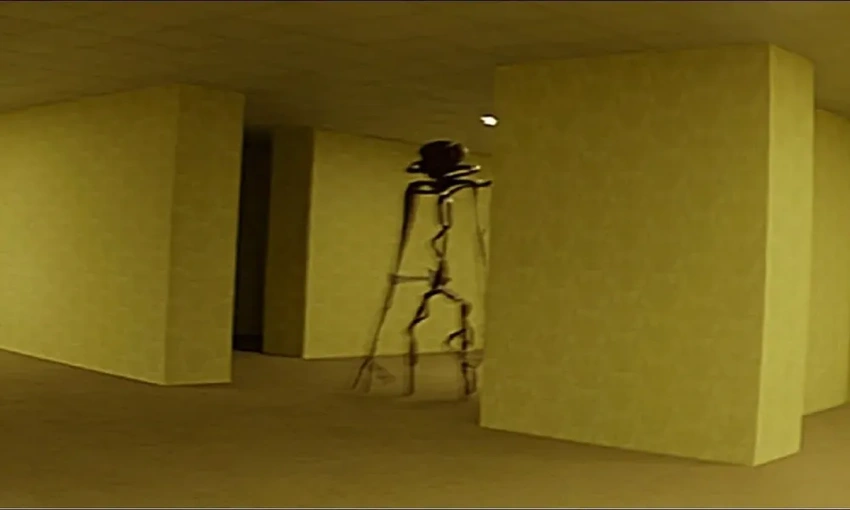
One reason the Backrooms phenomenon resonated so deeply online is its relationship with liminal space.
Liminal spaces occupy thresholds between destinations. Airports after closing time. Empty school corridors during holidays. Shopping centres moments before opening. They are places that should contain people but somehow do not.
The film embraces this aesthetic with remarkable confidence. Critics have noted how architecture itself becomes the central source of dread, transforming sterile interiors into psychological landscapes rather than simple settings. The Guardian even suggests that the building becomes the monster, an idea that captures the film's central achievement.
This reflects a broader cultural mood. Much of contemporary life is spent inside anonymous environments designed to maximise functionality rather than emotional connection. Backrooms turns these everyday spaces into expressions of existential uncertainty.
When Internet Horror Grows Up
The success of Backrooms also says something important about horror as a genre.
For decades, horror evolved through novels, folklore and cinema. Today, some of its most influential ideas originate on YouTube, Reddit and anonymous message boards. Digital communities now generate myths at extraordinary speed, and filmmakers increasingly recognise that these stories possess genuine cultural significance.
Rather than sanitising the source material, Parsons appears committed to preserving its unsettling ambiguity. The film avoids reducing the Backrooms into a neatly explained fictional universe. Mystery remains central to the experience, allowing viewers to inhabit uncertainty rather than solve it.
That willingness to leave questions unanswered feels refreshingly literary.
A New Future for Horror
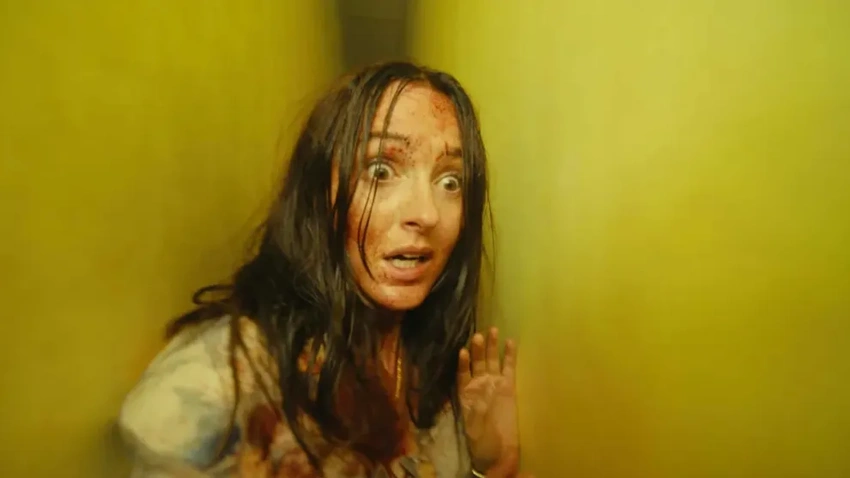
Backrooms ultimately demonstrates that horror continues to reinvent itself by discovering new spaces where fear can exist.
Earlier generations feared haunted forests, abandoned mansions and isolated villages. The digital age fears endless corridors, forgotten retail spaces and architecture emptied of human purpose. These locations are not supernatural in the traditional sense. They are recognisably modern, making their uncanny qualities even more disturbing.
Whether Backrooms becomes a defining horror classic remains to be seen. What already seems undeniable is its cultural importance. It marks a moment when internet folklore, digital filmmaking and independent cinema converged into something that feels entirely contemporary.
Perhaps that is what makes the film linger after the credits. It reminds us that the most frightening places are not always hidden from us. Sometimes they resemble the buildings we walk through every day, waiting for reality to slip ever so slightly out of place.
#Backrooms #HorrorCinema #A24 #InternetFolklore #CreepypastaToCinema

Login to comment.
No thots yet. Be the first to share your thoughts!