AI Cats vs. K-Dramas: Who’s Winning the Plot Twist Game?

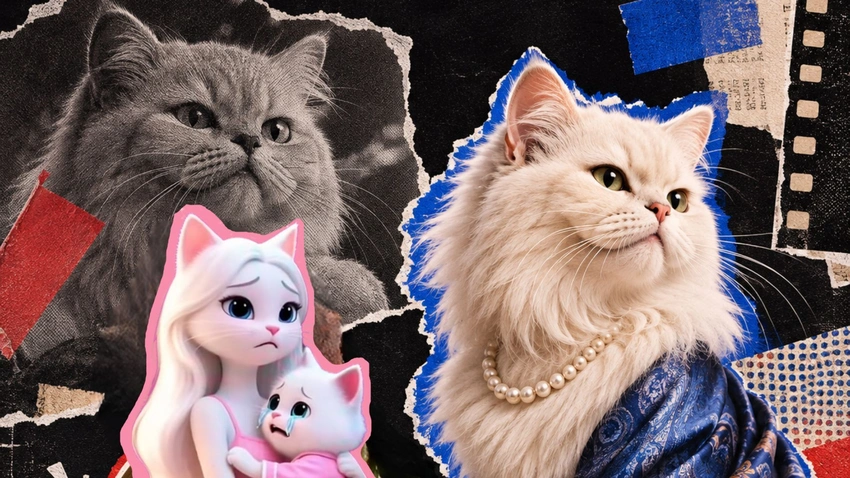
AI Cats vs. K-Dramas: Who’s Winning the Plot Twist Game?
K-dramas have dominated, but can AI animal soap operas deliver better plot twists and more engaging stories? We dive into the surprising rise of digital entertainment.
For years, K-dramas have held us captive, masters of the intricate, the heart-wrenching, the “I-can't-believe-that-just-happened” plot twist. We've collectively gasped, cried, and screamed at our screens, convinced no other form of entertainment could possibly deliver such narrative gymnastics.
But here's the thing: something new is lurking in the digital shadows, and frankly, it's giving our beloved human-penned sagas a serious run for their money.
I'm talking about AI animal soap operas. Yes, you read that right. And before you dismiss it, let me be brutally honest: I'm hooked on AI animal soap operas, and I'm not mad about it.
Think about it. K-dramas, for all their brilliance, still operate within human-comprehensible narrative arcs. There's a setup, a conflict, a resolution: even if the path there is wildly unpredictable.
AI-generated stories, especially those featuring our feline friends in dramatic, emotional roles, don't play by those rules.
They can introduce elements, character motivations, and resolutions that are utterly bizarre, completely illogical, and yet, somehow, profoundly captivating.
It's not just about randomness; it's about an algorithm's ability to draw connections and generate scenarios that bypass our conventional understanding of storytelling. A cat detective solving a mystery where the culprit is a sentient tumbleweed? A fluffy Persian vying for the affections of a stoic alley cat, only for both to discover they're long-lost siblings?
These are the kinds of unexpected, logic-defying twists that AI delivers with a straight face, and we eat it up.
Does this mean AI is “better” than human creativity? Not necessarily. But it poses a fascinating question about what we, as an audience, truly seek.
Is it perfect narrative cohesion, or is it the thrill of the utterly unforeseen?
K-dramas masterfully manipulate our emotions with carefully crafted suspense and character development.
AI, on the other hand, often wins by sheer, unadulterated narrative audacity.
It's like the difference between a meticulously choreographed dance and an improvised performance that accidentally creates a moment of genius.
This shift signals a broader trend in digital entertainment. We're moving towards an era where content isn't just produced by humans, but co-created, or even solely created, by algorithms designed to maximize engagement through novelty. These AI-generated narratives are often short, highly shareable, and perfectly suited for the ephemeral nature of social media scrolling.
They offer a constant stream of fresh, often hilarious, and undeniably twisted content without the long production cycles of traditional media.
So, move over K-dramas? Maybe not entirely. But certainly, make some room on the digital stage.
The AI cats are not just playing; they're rewriting the rules of the game, one absurd, brilliant plot twist at a time.
And honestly, I can't wait to see what wild narrative curveball they throw next.
