EasyJet Agrees 'In Principle' to £5.2bn Takeover by US Investor

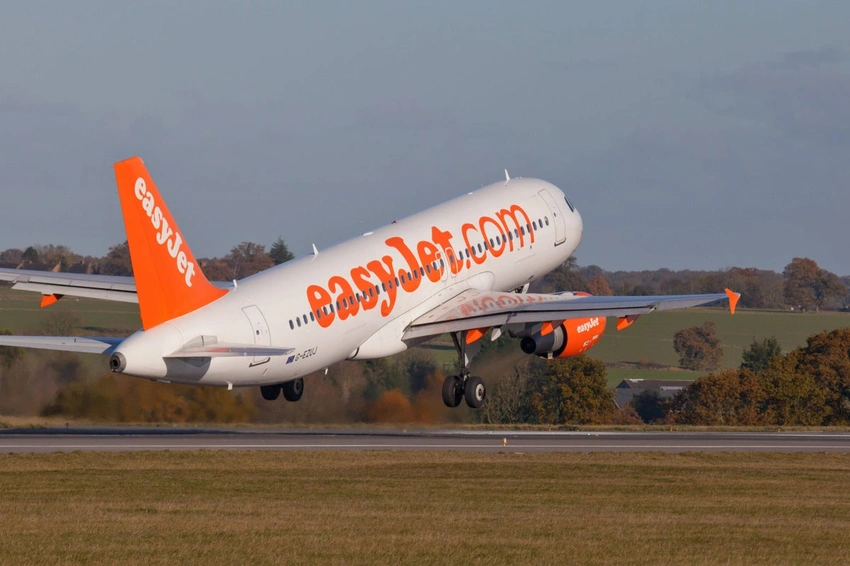
EasyJet Agrees 'In Principle' to £5.2bn Takeover by US Investor
Low-cost airline EasyJet accepts a £5.2bn takeover bid from US investment firm Castlelake. Discover how this agreement was reached after months of rejected offers and what it means for the future of the airline.
EasyJet, the popular low-cost airline, has reached an agreement in principle for a £5.2 billion takeover bid from US investment firm Castlelake. This significant development follows months of intense negotiations and multiple rejected offers, marking a potential new chapter for the European airline.
The agreement was announced on Sunday, with EasyJet's board of directors stating they have agreed to a proposal valued at £6.90 per share. This figure represents a considerable increase from previous offers made by Castlelake, which owns approximately 2.14 percent of EasyJet shares. Earlier bids, ranging from £5.60 to £6.50 per share, were all rejected, with EasyJet initially branding Castlelake's interest as "highly opportunistic" and accusing them of attempting to acquire the company "on the cheap."
Despite this agreement in principle, the deal is not yet finalized. It still requires regulatory clearances, various approvals, and a crucial vote by EasyJet shareholders. Castlelake has been given until 5 pm BST on August 3 to formally announce its intention to make a firm offer or withdraw its proposal. This extended deadline was granted after EasyJet had previously rejected a higher £4.93 billion approach but sought a more attractive proposal.
The negotiations have been characterized by candid public statements from both sides. Castlelake had previously accused EasyJet of failing to "engage meaningfully." However, following the agreement in principle, the investment firm expressed "tremendous respect for easyJet and its people," and affirmed its intention to support the airline's future growth and transformation into a "stronger, more resilient European airline."
EasyJet's initial skepticism stemmed partly from the timing of Castlelake's interest. The airline had noted that the takeover approaches came at a time when its share price had been negatively impacted by geopolitical concerns, specifically mentioning worries over the impact of the Iran war on the air travel sector. As this major financial maneuver unfolds, all eyes will be on the regulatory bodies and EasyJet shareholders as they decide the future trajectory of one of Europe's leading budget carriers.
