What Happens When Your Skin Barrier Is Chronically Damaged

What Happens When Your Skin Barrier Is Chronically Damaged
Your skin barrier is not just a surface detail. It is the foundation on which every aspect of your skin health stands. When it breaks down repeatedly over months or years, the consequences ripple far deeper than dryness and flaking.
Most people who experience chronically damaged skin are not aware that the root cause is their skin barrier, not their genetics, not their diet alone, and not some mysterious immune reaction. The signs are there: persistent redness, skin that stings when you apply products, breakouts that never fully resolve, patches of skin that feel tight no matter how much moisturizer you use. All of these are signals from a barrier that has been pushed past its limits for too long.
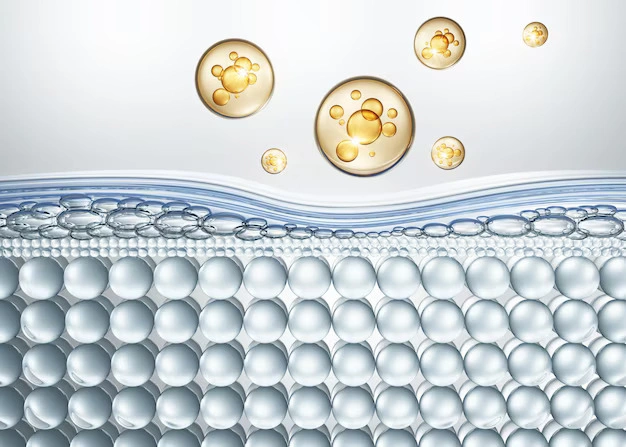
The skin barrier, technically called the stratum corneum, is the outermost layer of the epidermis. It is made up of flattened skin cells called corneocytes embedded in a lipid matrix consisting primarily of ceramides, cholesterol, and free fatty acids. Think of it as a wall: the cells are bricks and the lipids are the mortar holding everything together. When that mortar is intact, the wall keeps moisture inside and keeps irritants, allergens, pollutants, and bacteria outside. When the mortar erodes, the wall becomes porous and everything goes wrong simultaneously.
According to research published in the journal Skin Pharmacology and Physiology, a compromised skin barrier leads to significantly elevated transepidermal water loss (TEWL), which perpetuates a cycle of dehydration, inflammation, and cellular dysfunction that becomes increasingly difficult to reverse without targeted intervention. Studies in this field 🔗 have demonstrated that chronic barrier disruption is a foundational factor in conditions including eczema, rosacea, and persistent adult acne.
The Cascade of Damage
When the skin barrier is chronically compromised, the problems do not stay contained to the surface. The first and most visible consequence is persistent dehydration. Water evaporates from the skin at an abnormally high rate, and no amount of topical hydration can compensate if the barrier is too damaged to hold it in. The skin feels dry even an hour after applying moisturizer.
The second consequence is increased sensitivity. A damaged barrier cannot filter what enters the skin. Environmental irritants, fragrance molecules, preservatives, and even otherwise gentle skincare actives pass through the compromised wall and trigger immune responses. The result is skin that reacts to almost everything, burning, itching, or breaking out in response to products that should theoretically be harmless.
The third consequence is chronic low-grade inflammation. Barrier damage activates inflammatory pathways in the skin as the immune system responds to what it perceives as a constant low-level assault. This inflammation does not always present as visible redness. Often it is subclinical, meaning it is happening at the cellular level without obvious external signs. Over time, this chronic inflammation accelerates visible aging, causes uneven pigmentation, and makes acne far more difficult to control.
The fourth and perhaps most overlooked consequence is the disruption of the skin’s natural microbiome. A healthy skin barrier supports a balanced ecosystem of microorganisms that help regulate pH, fight pathogens, and maintain immune function. A chronically damaged barrier shifts the microbiome into dysbiosis, allowing harmful bacteria such as Staphylococcus aureus and Cutibacterium acnes to proliferate. This is why chronically damaged skin is almost always more acne-prone, more prone to infections, and slower to heal.
Who Is Most at Risk
Chronic barrier damage does not discriminate by age or skin type, but certain groups are significantly more vulnerable. People who use multiple active skincare ingredients simultaneously, particularly those combining retinoids, AHAs, BHAs, and vitamin C in the same routine without adequate recovery support, are among the most commonly affected. The irony is that many people who develop chronically damaged skin are those who care most about their skincare, overloading their routines with powerful actives and under-investing in recovery and barrier support.
People who live in low-humidity environments or experience dramatic seasonal shifts are also at elevated risk. Cold winter air combined with indoor heating creates the perfect storm of barrier-stripping conditions. Frequent swimming in chlorinated pools, exposure to air conditioning for extended periods, and regular travel between different climates all compound barrier stress over time.
Skin of color faces unique considerations as well. Research shows that melanin-rich skin, while more resistant to certain forms of UV damage, often has lower ceramide levels in the stratum corneum, making it inherently more prone to transepidermal water loss and barrier disruption under stressful conditions.
Why Repair Requires More Than Basic Moisturization

The most common mistake people make when dealing with a damaged skin barrier is reaching for any moisturizer without considering what the formula actually delivers. A basic lotion containing primarily water and glycerin will provide temporary surface comfort but will not rebuild the structural lipids the barrier has lost. Genuine barrier repair requires a formula that specifically replaces ceramides, cholesterol, and fatty acids in the proportions the skin needs.
This is where a dedicated barrier repair moisturizer 🔗 becomes essential rather than optional. Products in this category are formulated to mimic the composition of the skin’s own lipid matrix, delivering ceramides and fatty acids that physically integrate into the barrier structure rather than simply coating the surface.
Alongside a targeted moisturizer, the repair process requires simplifying your routine, removing potential irritants, and prioritizing ingredients like niacinamide (which stimulates ceramide production from within the skin), panthenol (which accelerates healing), and hyaluronic acid (which draws water into the skin and holds it). Sun protection is equally non-negotiable: UV radiation directly degrades ceramides and accelerates barrier breakdown. A dedicated sunscreen such as the Cica Sunscreen SPF 50 🔗 provides broad-spectrum protection while also delivering calming cica (centella asiatica) to support the healing process.
How Long Does Barrier Repair Take
Realistic timelines are important here because impatience is one of the main reasons barrier repair efforts fail. Mild barrier damage can show meaningful improvement in two to four weeks with consistent care. Moderate damage typically requires six to eight weeks. Chronic, severe damage that has been accumulating over months or years may take three to six months of consistent, barrier-supportive skincare before the skin reaches a genuinely stable state.
The key is consistency and restraint. During the repair phase, resist the urge to reintroduce actives, try new products, or respond to temporary flares by adding more products. The skin needs calm, consistent nourishment, not more stimulation. A skin barrier repair moisturizer 🔗 applied morning and evening, paired with a gentle cleanser and reliable SPF, is often all the skin needs during this phase to begin a genuine recovery.
Frequently Asked Questions
How do I know if my skin barrier is chronically damaged or just irritated?
Temporary irritation clears in a few days after removing triggers. Chronic damage lasts weeks, with ongoing stinging, tightness, and increased sensitivity even to gentle or familiar products.
Can I repair a damaged skin barrier without a dermatologist?
Yes, mild to moderate damage often improves with barrier-repair skincare (ceramides, gentle cleansers, niacinamide, SPF). If there’s no improvement in 8–12 weeks or conditions like eczema or rosacea are present, see a dermatologist.
Should I stop actives while repairing my barrier?
Yes. Pause strong actives like retinoids, exfoliating acids, and high-dose vitamin C. Reintroduce them slowly once your skin feels stable and less sensitive.
Does drinking water repair the skin barrier?
Not directly. Water supports overall skin health, but barrier repair depends on topical lipids like ceramides. Hydration helps, but it’s not the main fix.
