UGC Equity Rules Spark Protests, Court Challenge on Caste Discrimination

UGC Equity Rules Spark Protests, Court Challenge on Caste Discrimination
Protests erupt as the UGC's 2026 equity regulations face legal challenges and a Supreme Court review, with critics arguing a narrow definition of caste-based discrimination.
The University Grants Commission's Promotion of Equity in Higher Education Institutions Regulations, 2026, are meant to strengthen safeguards against caste-based discrimination on campuses. Instead, they have sparked protests and a Supreme Court challenge.
Notified on January 13, the regulations require Equity Committees, Equity Squads, helplines and monitoring mechanisms in colleges and universities, with a focus on safeguarding the rights of SC, ST and OBC students. The rules were framed following a Supreme Court order seeking better implementation of the 2012 guidelines.
Critics say the regulations define 'caste-based discrimination' as discrimination only on the basis of caste or tribe against SCs, STs and OBCs, effectively narrowing protection and leaving many students and faculty unprotected.
Two petitions have challenged their constitutional validity, and both are likely to be mentioned before the Chief Justice of India for listing and hearing.
The petitions include pleas filed by the mothers of Rohith Vemula and Payal Tadvi, whose deaths following casteist harassment drew national attention.
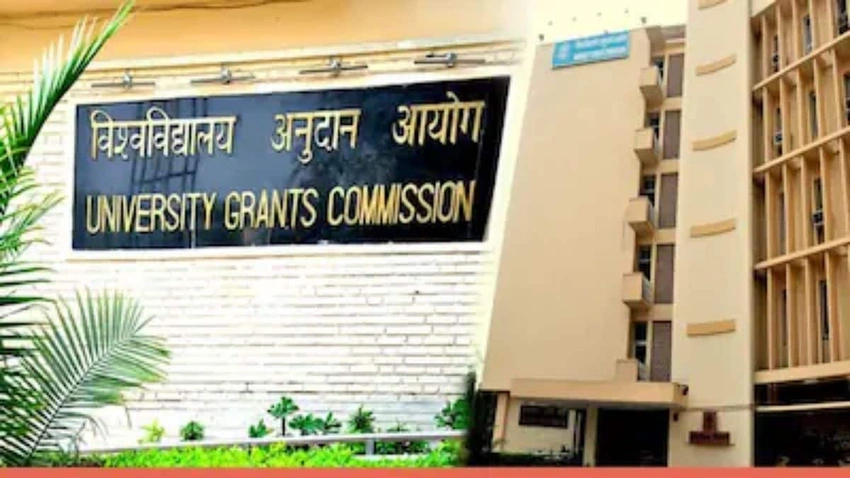
In Delhi, student groups protested outside the UGC office amid barricades and rain, submitting a list of demands including a rollback of the regulations.
As universities begin implementing the rules, the broader debate over how to define caste discrimination and ensure safety on campuses continues, with a Supreme Court decision expected soon.
