Shabana Mahmood: Chancellor Frontrunner & the 50p Tax Rate Debate!

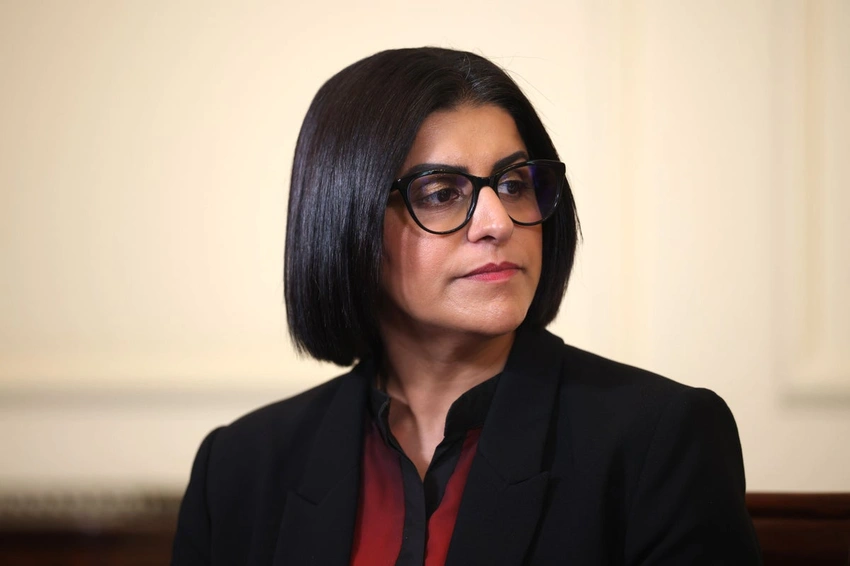
Shabana Mahmood: Chancellor Frontrunner & the 50p Tax Rate Debate!
Chancellor favourite Shabana Mahmood's potential appointment sparks debate. Explore her past support for a 50p income tax rate and the mixed reactions from Labour and business circles.
Shabana Mahmood, currently serving as Home Secretary, has emerged as a leading contender to become the next Chancellor of the Exchequer, a move that has ignited considerable discussion within political and economic spheres. Her potential ascension to the pivotal financial role comes with scrutiny, particularly concerning her previous stance on a 50p income tax rate.
Mahmood has a history of advocating for a higher tax rate for top earners. During her time in opposition, she notably rallied against what she termed "tax cuts for millionaires," signaling a preference for a more progressive tax system. This position suggests that if appointed Chancellor, she might explore policies aimed at increasing revenue from high-income individuals, potentially reinstating a 50p income tax rate, a policy that was last implemented in 2010 before being reduced to 45p.
However, the prospect of Mahmood taking the helm at No. 11 Downing Street has been met with a diverse range of opinions. While some, including certain editorial boards, champion her as a potentially "great modern chancellor" whose success would benefit the nation, others express significant reservations. Concerns have been voiced by business leaders and even some within the Labour party itself, who reportedly find her choice as chancellor "bizarre" given her perceived minimal economic credentials. Many within Labour, according to reports, would have preferred a figure like Ed Miliband for the role, citing his more extensive experience in economic policy.
This internal and external debate highlights the high stakes involved in selecting the nation's chief financial officer. Mahmood's background as Home Secretary, while demonstrating significant ministerial experience, differs from the typical path to Chancellor, which often involves roles like Shadow Chancellor or Treasury Chief Secretary. Her potential appointment represents a bold choice, signaling a fresh approach to economic leadership, but also raising questions about the direction of fiscal policy, particularly regarding taxation.
The coming months will undoubtedly shed more light on whether Shabana Mahmood indeed steps into this powerful role and how her economic vision, including her past support for higher income tax, will shape the UK's financial future.
