Indore Water Crisis: Deadly E. Coli and Salmonella in Tap Water

Indore Water Crisis: Deadly E. Coli and Salmonella in Tap Water
Tests confirm tap water in Indore's Bhagirathpura area carries multiple pathogens, sparking a deadly outbreak and criticism over delayed testing.
In Indore’s Bhagirathpura neighborhood, residents fell ill after drinking water that looked and smelled off. More than a week later, test reports confirmed tap water as a cocktail of pathogens — including E. coli, Salmonella and Vibrio cholerae — with additional viruses, fungi and protozoa detected.
Doctors and public health experts criticized the delay in testing, saying the lag likely worsened outcomes because polymicrobial infections require rapid pathogen identification for targeted treatment.
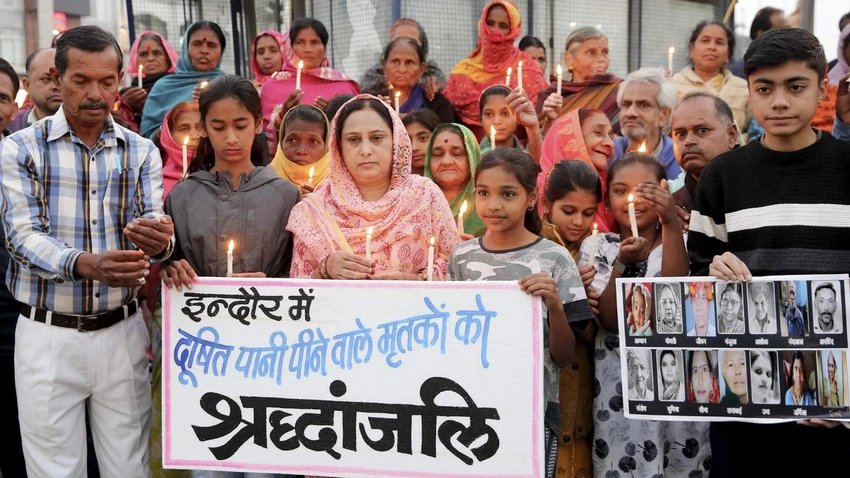
Officials said at least 10 people have died and about 210 have been hospitalised since the outbreak began on December 25, with 32 patients in ICUs; Sudam Khade, divisional commissioner, Indore, said six deaths were linked to multi-organ failure from infections.
One source of contamination appears to be a raw sewage leak from a toilet at Bhagirathpura police outpost that lacked a septic tank; authorities also reported multiple breaches in the pipe network that allowed untreated waste to mix with drinking water.
Samples have now been sent for chemical testing to check for other toxins while the public health response is stepped up.
In a follow-up, officials pointed to ongoing investigations; the municipal commissioner was transferred and two officials suspended after the deaths, as the chief minister intervened.
Residents face a difficult choice: rely on tanker water or boiled tap water until safety is confirmed. The episode has reopened debate about Indore’s much-touted cleanliness and the city’s commitment to safe drinking water.
