Kalpakkam PFBR hits criticality, sparks call for nuclear regime reform

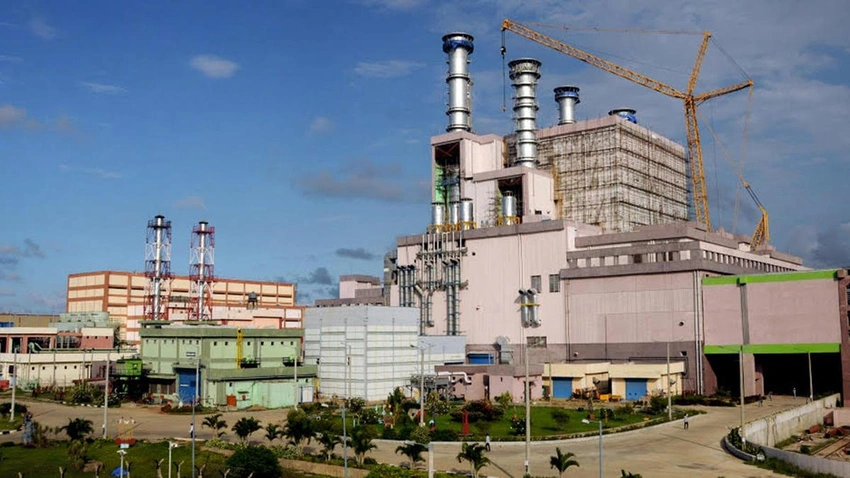
Kalpakkam PFBR hits criticality, sparks call for nuclear regime reform
India’s PFBR milestone at Kalpakkam prompts a rethink of its costly, delayed nuclear path and stronger safety rules.
After years of waiting, India's Prototype Fast Breeder Reactor (PFBR) at Kalpakkam has achieved first criticality, marking a milestone that supporters call essential for the country’s nuclear ambitions. The achievement comes despite a history of delays, with the project running roughly 16 years behind schedule and the final cost rising to ₹8,181 crore—more than double the originally sanctioned amount. The reactor is expected to be commissioned by 2029, a timeline that will be watched closely by energy planners and policymakers alike.
PFBR is the flagship component of India’s second stage in its nuclear power program. It is designed to use spent fuel reprocessed from the first stage and depleted uranium to breed plutonium, with future stages envisaging reactors that use a combination of plutonium and thorium. The design leans on India’s abundant thorium deposits, though the path to a thorium-based fleet presents significant economic and regulatory challenges. The broader goal remains energy security and self-sufficiency, even as the economics of solar and wind increasingly compete for scarce public capital. Nuclear power currently contributes around 3% of India’s electricity from about 8.78 GW of installed capacity, underscoring the scale of the challenge as demand growth looms.
The milestone underscores the need for a robust and transparent regulatory regime to oversee safety, performance, and cost discipline. Experts argue that while the PFBR’s progress is welcome, the regulatory framework must be revamped to admit mistakes, ensure accountability, and better align project outcomes with public expectations. If the economics of renewables continue to improve, policy decisions should reflect that reality, ensuring that energy infrastructure investments deliver reliable power without compromising environmental and biodiversity commitments. The Kalpakkam achievement is thus both a technical milestone and a call to sharpen governance around India’s nuclear ambitions.
