When Viral Fashion Loses Its Soul: The Obsession Top's Deep Cut

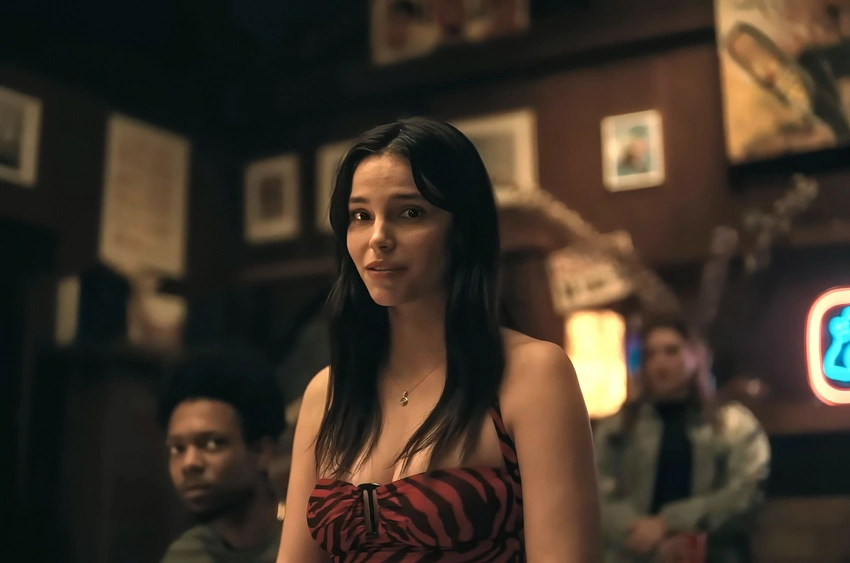
When Viral Fashion Loses Its Soul: The Obsession Top's Deep Cut
From film costumes to fast fashion, what happens when beloved on-screen looks become diluted trends? We dive into the psychology behind our viral obsessions.
The Rapid Cycle of Screen-Inspired Style
Remember the black cut-out mini dress inspired by Maddy Perez, or that instantly iconic Barbie pink? How about a Carolyn Bessette-Kennedy-approved tortoiseshell headband? It seems like every major fashion moment today has its roots firmly planted in film or television.
The latest sensation?
A striking red zebra-print halter top featured in the breakout horror flick, Obsession .
It's a phenomenon. Hailing from online fast-fashion boutique Princess Polly, this deep V-shaped bustier with low-back open-tie detailing has been in and out of stock for months. Demand was so intense that Princess Polly launched pre-sales for the first time ever, resulting in a waitlist that swelled to over 27,000.
On platforms like Depop and Poshmark, resellers are flipping the $49 original for upwards of $100 or even $150, a staggering 200% price increase.
Even the brand leaned into the hype, asking, 'Looking for Nikki's top in the Obsession movie?
This is the viral party top you've been wishing would come back.'
The True Cost of 'Obsession'
What makes this trend particularly revealing is the garment's original context. In Obsession , the character Nikki, played by Inde Navarrette, wears this top during a pivotal party scene. Costume designer Blair James deliberately crafted Nikki's wardrobe as a 'psychological portrait.' As James explains, the aesthetic became progressively unsettling, mirroring Nikki's increasingly erratic behavior.
When we first meet Nikki, she's grungy; by the time the viral top appears, her terrifying desperation and fixation on Bear are glaringly evident.
The top, far from being a mere party piece, symbolized her shifting, unsettling identity.
Lost in Translation
There's nothing inherently wrong with appreciating statement pieces from our favorite stories.
However, the rise of micro-trends, accelerated by platforms like TikTok, means clothes are often divorced from their original meanings at lightning speed. Trends now cycle 4.4 times faster than they did just seven years ago, turning cultural observation into passive consumption.
As TikTok creator and fashion commentator Judith Omoregie wisely puts it, 'There is a very thin line between observing and consuming, and social media is the catalyst blurring those lines.' She adds, 'Any trend can start with great intentions, but as it gets co-opted, it gets diluted.' This dilution is precisely what happens when Nikki's symbol of 'terrifying desperation' becomes just another 'viral party top.' It begs the question: what do we truly gain when we chase these fleeting, decontextualized obsessions?
