Rising violence against NHS staff sparks call for stronger protections

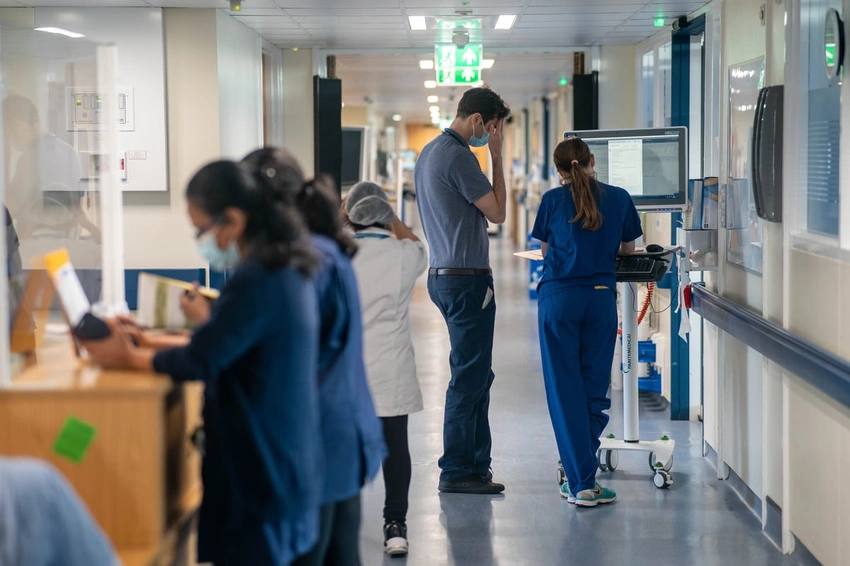
Rising violence against NHS staff sparks call for stronger protections
Senior health officials warn of rising violence and abuse toward NHS workers, urging tougher protections as staffing strains grow, including NHS 111 departures.
Frontline healthcare workers are facing a troubling rise in violence and abuse across the NHS, prompting senior health officials to call for tougher protections. The concerns come as trusts report more frequent incidents of aggression directed at doctors, nurses, and support staff, from verbal abuse to physical intimidation. Officials say safeguarding staff must be a top priority as the health service grapples with growing pressures and a backlog of care. The push for stronger protections includes better security measures, clearer reporting routes, and stricter penalties for perpetrators. The goal, officials say, is to create safer work environments so clinicians can focus on patient care without fear.
Meanwhile, a separate warning has emerged from NHS unions about staffing gaps that are already affecting the system’s ability to respond. The Independent reports that thousands of NHS 111 call handlers are leaving their roles or planning to depart, citing overwhelming call volumes, ongoing shortages, and increasingly aggressive callers as the main challenges. A survey of more than 200 staff paints a picture of burnout and job dissatisfaction that could worsen wait times and referrals if not addressed. Union leaders say retention must be part of any solution, with improved pay, safer working conditions, and better support for frontline teams.
Taken together, these trends underscore a fragile frontline where patient care can be compromised by violence and staffing losses. Proponents argue that protecting staff is not just a workplace issue but a patient-safety imperative, requiring coordinated action from government, health boards, and employers. As conversations intensify about reforms and funding, healthcare workers hope practical steps—such as enhanced security, de-escalation training, and smarter triage for high-demand services—will translate into real change on the wards and at call centers. In London and nationwide, the message is clear: protecting those who care for others is essential to keeping the NHS functioning.
