Modern Singlehood's Dystopian Edge: Is Being Alone the New Normal?
Modern Singlehood's Dystopian Edge: Is Being Alone the New Normal?
Ever feel like the dating scene is a sci-fi novel gone wrong? We're diving deep into the 'dystopia of modern singlehood' and why finding connection feels harder than ever.
The modern dating landscape can feel, at times, less like a romantic comedy and more like a dystopian nightmare. You know the drill: bars are packed with impeccably dressed singles, each projecting an aura of effortless cool while secretly navigating a minefield of social anxieties. Everyone is trying a little too hard, smiling a little too wide, hoping to escape the night with someone, anyone, to avoid that solo subway ride home at 3 a.m.
It's a reflection of a deeper societal shift.
Now, imagine a world where the government outlaws premarital sex, enforcing the ban through biosurveillance.
They track your dopamine, serotonin, and testosterone levels, alerting law enforcement when two singles exhibit simultaneous hormone spikes.
The only exception?
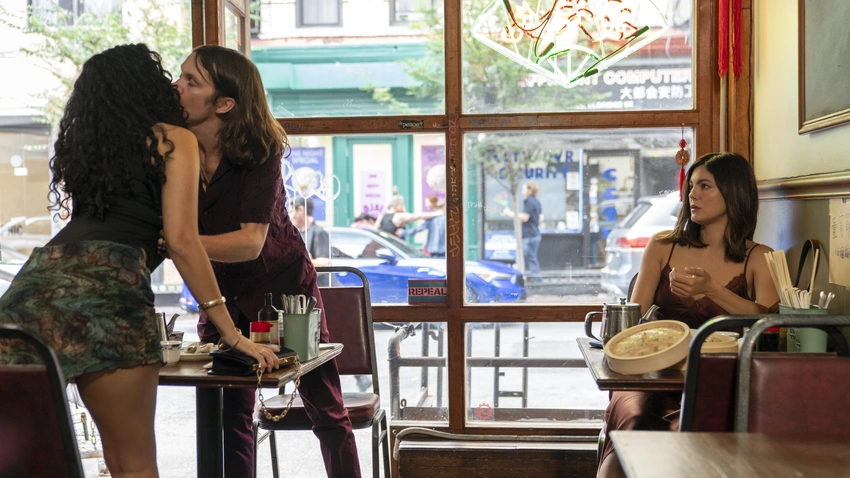
One frantic, 12-hour window each year when unmarried individuals are unleashed. This bonkers premise is the heart of One Night Only , a new film by Will Gluck, known for rom-coms like Easy A and Anyone but You .
While One Night Only might seem wildly exaggerated, it contains a potent grain of truth about the pressures and bizarre realities of modern singlehood. The film's characters, like Owen (played by Callum Turner) and Allie (Monica Barbaro), navigate this extreme environment.
Owen faces his girlfriend's desire to “explore” during the permitted window, while Allie finds herself alone amidst a sea of 'off-putting suitors' after her friend quickly pairs off.
Of course, we're not living under literal biosurveillance (yet!), but the film's exaggerated scenario highlights an underlying tension.
We have sophisticated dating apps and endless social opportunities, yet many feel trapped in a pervasive 'romance slump.' In One Night Only , the fictional Manhattan buzzes with an “exuberantly randy” energy during its brief period of sexual freedom.
This starkly contrasts with our own reality, where Gluck reportedly had to cut nudity from the film because test audiences reacted so negatively. It begs the question: if sexual expression is so repressed in the real world, what does it say about our comfort with intimacy and connection?
Perhaps the film's questionable science and outlandish plot serve as a mirror, reflecting our own anxieties about finding partnership in an increasingly isolated world. The struggle to connect, the fear of being 'stuck' versus being 'alone,' and the curated performances we put on are very real. One Night Only playfully, yet poignantly, points to a truth: when it comes to modern romance, we're often just trying to survive another night.
