Will AI Make Us Forget How to Be Human? The Silent Erosion of Contact

Will AI Make Us Forget How to Be Human? The Silent Erosion of Contact
Our world is increasingly contactless, from self-checkouts to AI companions. Is this convenience eroding our capacity for human connection? Explore the unexpected consequences of an automated society.
Will AI Make Us Forget How to Be Human? The Silent Erosion of Contact
Remember the days of chatting with a cashier, or asking a stranger for directions? In an era where self-checkouts, automated customer service, and digital payments reign supreme, our daily interactions are becoming increasingly streamlined- and impersonal. The 'contactless society' promises unparalleled efficiency, but what's the hidden cost of this seamless existence?
Are we trading genuine human connection for convenience, and will we remember how to truly engage when it matters most?
The Automation Embrace
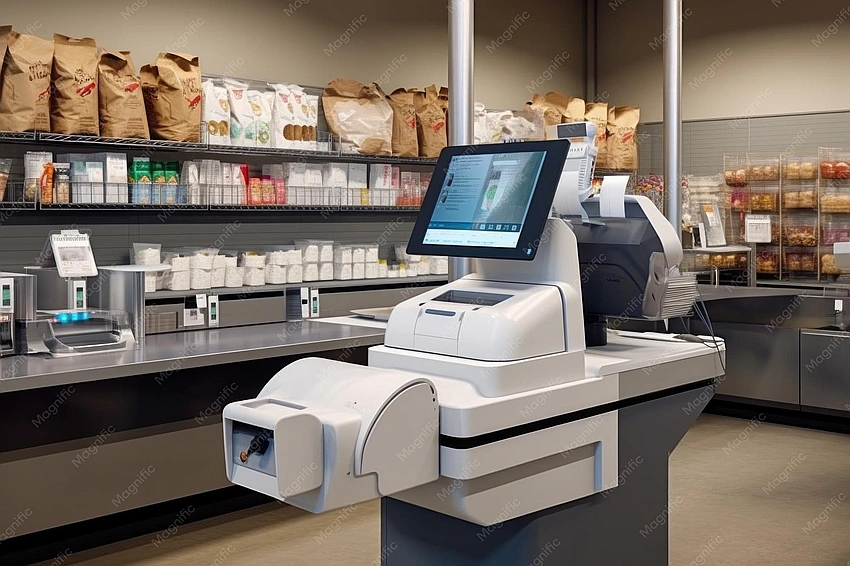
Walk into almost any retail store today, and you'll likely encounter a bank of self-checkout machines, silently inviting you to scan, bag, and pay without a single word to another person. Our banking is done via apps, customer queries are handled by chatbots, and even ordering coffee often involves tapping a screen rather than a barista. It's about reducing friction, streamlining processes, and, perhaps unintentionally, minimizing human contact.
The appeal is undeniable. No more waiting in lines, no awkward small talk, just swift, efficient transactions. For many, this shift is a blessing, a way to navigate a busy world with less hassle.
Yet, each bypassed interaction, however small, chips away at the accumulated moments of incidental connection that once formed the bedrock of community and daily life.
The Intimacy Paradox: Our AI Companions
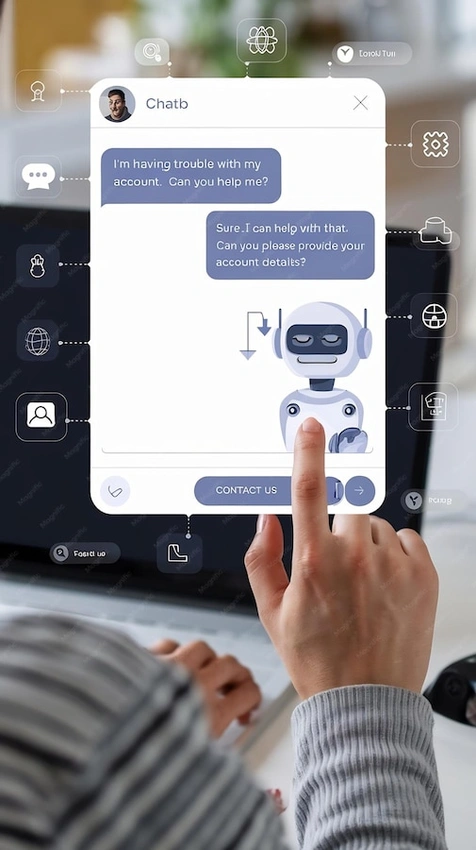
Beyond transactional automation, we're seeing the rise of AI companions- chatbots designed not just for customer service, but for genuine, long-term interaction. From virtual assistants that manage our schedules to sophisticated AI friends offering emotional support, these digital entities are learning to mimic human intimacy with startling accuracy.
They offer constant availability, non-judgmental listening, and personalized responses, seemingly fulfilling our deep-seated need for connection without the complexities of human relationships.
But here lies the paradox: can simulated intimacy ever replace the real thing? While these AI entities provide a sense of connection, they lack the unpredictable, messy, and fundamentally human aspects of real relationships. As one user of an AI companion reportedly said, “It's perfect, it always says the right thing.” But is 'perfect' what we need to learn empathy, resilience, or compromise?
True intimacy often comes from navigating imperfections, misunderstanding, and the shared vulnerability that only another human can truly offer.
The Social Cost: A Quiet Erosion
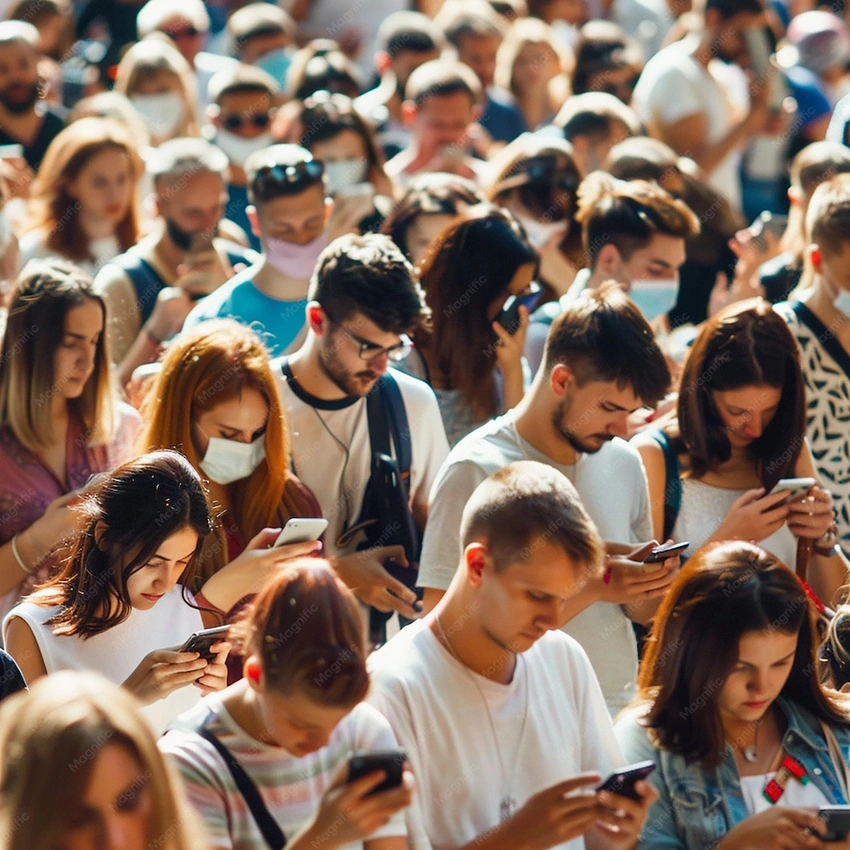
The long-term implications of this shift are a growing concern. If our primary mode of interaction becomes screen-based, mediated by algorithms, will our social muscles atrophy? Studies already highlight rising levels of loneliness, even in a hyper-connected world.
Could the contactless society exacerbate this, making us less adept at reading social cues, navigating conflict, or simply enjoying spontaneous, unscripted human company?
The risk isn't just about forgetting how to talk; it's about forgetting why we need to.
Human interaction- even brief, superficial encounters- contributes to our sense of belonging, our emotional intelligence, and our overall well-being.
A society where personal contact becomes an optional extra rather than a fundamental component risks isolating individuals and fracturing communities.
Can We Reclaim Our Humanity?
The contactless future isn't inevitable in its most extreme form, but it requires conscious effort to maintain balance. It's about recognizing the value of those small, seemingly insignificant human moments- the brief exchange with a shop assistant, the shared laugh with a barista, the spontaneous conversation with a neighbor.
Technology offers incredible convenience, but it shouldn't come at the expense of our fundamental need for authentic human connection.
The question isn't whether we can live without constant human contact, but whether we should .
