UK Salmonella Outbreak: One Dead, 200+ Ill From Imported Eggs!

UK Salmonella Outbreak: One Dead, 200+ Ill From Imported Eggs!
A salmonella outbreak linked to imported eggs has tragically claimed one life and sickened over 200 across the UK. Health officials are racing to track the source and ensure public safety. Stay informed!
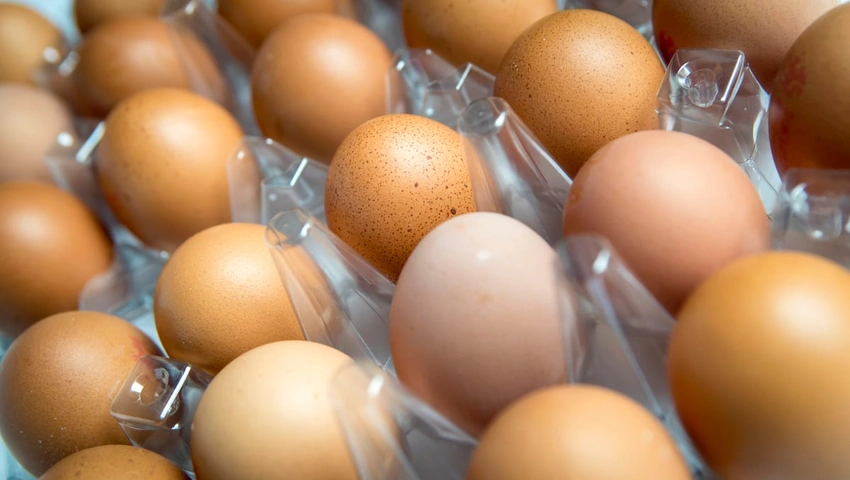
A serious salmonella outbreak sweeping across the UK has tragically led to one fatality and left more than 200 people ill. The UK Health Security Agency (UKHSA) is spearheading a major investigation into the incident, confirming that evidence strongly points towards imported eggs as the source of contamination.
The outbreak has affected 207 individuals, ranging in age from infants under one year old to senior citizens aged 90. Officials have noted that the contaminated eggs were likely consumed in cafes and restaurants, rather than in private homes. Critically, UKHSA has ruled out any British-produced eggs or poultry as the source, shifting the focus to eggs brought into Britain from other countries. The agency is now collaborating with European counterparts through joint health threat surveillance systems to pinpoint the origin of the outbreak.
While details regarding the deceased individual remain confidential due to the ongoing investigation, the severity of the illness is clear: at least 34 people required hospital treatment for salmonellosis, and two developed bloodstream infections. Whole-genome sequencing has confirmed that all 207 cases are linked to a single, specific strain of salmonella, underscoring a common source.
The first case was identified on August 11, 2025, with the majority of illnesses reported since mid-last month. Geographically, England has seen the highest number of cases with 199, followed by six in Scotland, and one each in Wales and Northern Ireland. London has been particularly affected, reporting 47 cases, while the Yorkshire and the Humber region has recorded 38 cases.
This isn't an isolated incident, as the UKHSA noted that this particular outbreak is closely related to a previous one from 2025, highlighting an ongoing public health concern regarding food safety and imported produce.
