Meta's AI Glasses: Privacy Backlash Grows, Company Responds to Tampering

Meta's AI Glasses: Privacy Backlash Grows, Company Responds to Tampering
Meta addresses growing privacy concerns over its AI glasses, detailing safeguards against recording without consent. Find out how the tech giant is tackling tampering.
Meta is actively working to ease public worries regarding the privacy features embedded in its AI glasses. This comes as a significant backlash mounts over the devices' capability to record video of individuals without their explicit consent.
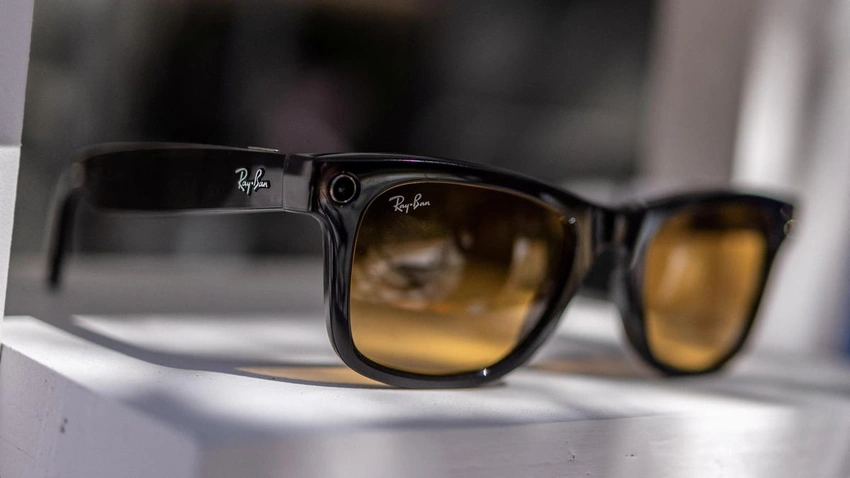
The social media giant, in a recent blog post, clarified the mechanisms in place to notify those nearby when the wearer is recording. A blinking white light, known as a ‘capture LED’, on the frame, along with an audible shutter sound, are designed to indicate active recording. However, Meta acknowledged that the shutter sound might not be heard effectively over longer distances.
Addressing a critical issue, Meta revealed that some users have attempted to obscure or block this indicator light. To counter this, the company announced that starting with its second generation of glasses, the camera will automatically disable if any tampering with the LED-blocking is detected. "No photos or videos can be taken until we detect that the light is unblocked," Meta stated, noting persistent efforts by some to modify or destroy the capture LED. Furthermore, Meta is taking strong action against this, removing ads and product listings for tampered AI glasses, banning offending accounts, and pursuing legal action against sellers.
Meta emphasized its commitment to high standards for its AI glasses, believing this is crucial for any advanced technology. The company also highlighted that conventional mobile phones and action cameras typically lack a dedicated light or blinker to signal active camera use, positioning their smart glasses as more transparent in this regard.
Despite these reassurances, significant concerns remain. A recent investigation by Swedish media outlets exposed that contract workers in Kenya were reportedly able to access and view highly personal, and even sexual, footage recorded by Meta AI glasses users, underscoring the severe privacy challenges inherent in this technology.
