When Gym Life Becomes a Trap: The Dark Side of Fitness Obsession

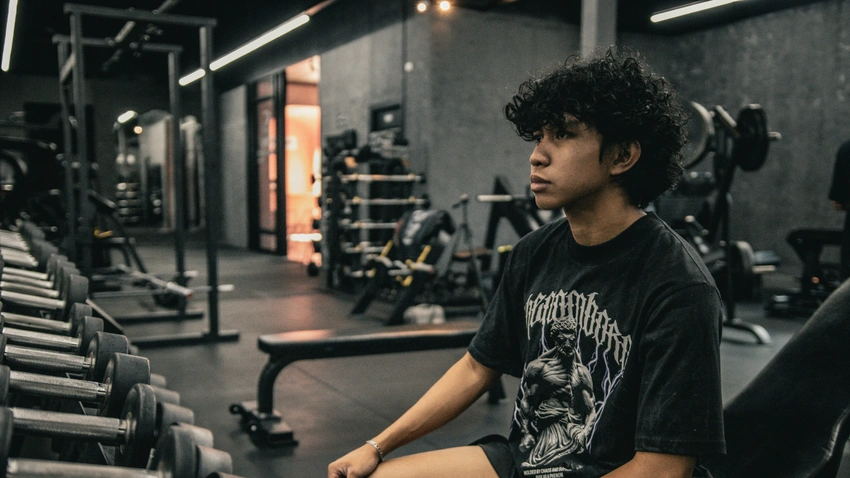
When Gym Life Becomes a Trap: The Dark Side of Fitness Obsession
Fitness passion can turn into an unhealthy obsession, especially for teens. Learn about bigorexia, or muscle dysmorphia, its mental and physical tolls, and what to watch out for.
We all admire dedication to fitness, but what happens when that dedication morphs into an unhealthy obsession? Welcome to the world of bigorexia, or muscle dysmorphia, a body dysmorphic disorder where individuals perceive their bodies as not muscular or strong enough, even when others see them as perfectly fit.
This isn't just about wanting to look good; it's a condition that deeply impacts mental wellness and physical health. While a healthy relationship with fitness means you can miss a gym day without a second thought, individuals struggling with bigorexia experience intense guilt, anxiety, and an overwhelming urge to compensate for any missed workout.
The difference between a healthy approach to fitness and bigorexia is when a person’s concern with their body takes over their life and affects their relationships, work, and other areas,
explains Dr. Pooja Verma, a consultant in clinical psychology at Yashoda Medicity.
Why Teens Are Especially Vulnerable
Adolescence is a critical period for body image development. Young people are constantly comparing themselves to others, often influenced by highly edited images and unrealistic fitness standards glorified on social media. A teenager might be muscular and healthy, yet still feel 'not good enough,' believing they need to be bigger or leaner.
Surg Commodore (Dr.) Sunil Goyal (Retd), senior consultant, Psychiatry at Sarvodaya Hospital, Sector-8, Faridabad, highlights the grave concern: "This can become linked to perfectionism, or the pressure to fit a certain image… No amount of reassurance can remove this thought from the mind. This often results from chemical changes in the brain, genetics, bullying, or perfectionist personality traits.
It may also go to the extent of demanding cosmetic surgery."
Spotting the Red Flags
Recognizing bigorexia means looking beyond the physical. Dr. Rahul Chandhok, senior consultant & head of psychiatry, mental health and behavioural sciences at Artemis Hospitals, points out several emotional and psychological symptoms:
- Never satisfied: Individuals constantly fixate on perceived flaws, endlessly comparing their physique to others.
- Low self-esteem: Confidence becomes entirely dependent on body size and muscularity, leading to feelings of inadequacy despite a muscular build.
- Anxiety and distress: Missing a workout or eating unplanned food triggers intense worry, guilt, and emotional upset.
- Social withdrawal: Many avoid situations where their body might be seen, like beaches or changing rooms, fearing judgment.
- Obsessional thoughts: Thoughts about muscle size, workouts, diet, and appearance consume most of their day, making it hard to focus on other life aspects.
- Mood changes: Frustration, irritability, sadness, and hopelessness become common, especially when appearance goals seem out of reach.
Beyond the Sweat and Protein
Parents often mistake bigorexia for healthy discipline or a strong interest in fitness, missing the crucial signs that a passion has spiraled into a mental health challenge.
Having a fitness and bodybuilding goal is one thing, but a severe case of bigorexia is when a person cannot step away from their routine and put their physical appearance aside, even for an evening,
says Dr. Verma.
It's vital to differentiate between a healthy pursuit of fitness and an all-consuming obsession. When fitness takes over relationships, work, and daily life, it's time to recognize that the 'healthy' pursuit has turned into a serious concern.
