Super El Niño Looms: What Rich Nations Can Learn From Water-Scarce Pakistan

Super El Niño Looms: What Rich Nations Can Learn From Water-Scarce Pakistan
As a 'super' El Niño threatens global weather, Dr. Shakeel Hayat shares Pakistan's stark reality of water scarcity. Discover urgent climate lessons for wealthy nations. #ElNino #ClimateCrisis
From my home in Swabi, Pakistan, a land intimately familiar with the harsh realities of climate change, I've watched with growing concern as once-green landscapes across England, like London's historic Greenwich Park, turn into dusty, yellowed expanses. This stark contrast highlights a truth Pakistan has lived for years: the chaos of extreme heat, droughts, and floods is a global reality that can no longer be ignored.
This year, the stakes are even higher. We face a perilous combination of the ongoing climate crisis and an impending "super" El Niño. This natural weather phenomenon, characterized by warming Pacific waters, is now intensified by rising global temperatures, making its impact far more unpredictable and challenging for countries to prepare for. And tragically, this comes at a time when global aid and international climate finance are shrinking.
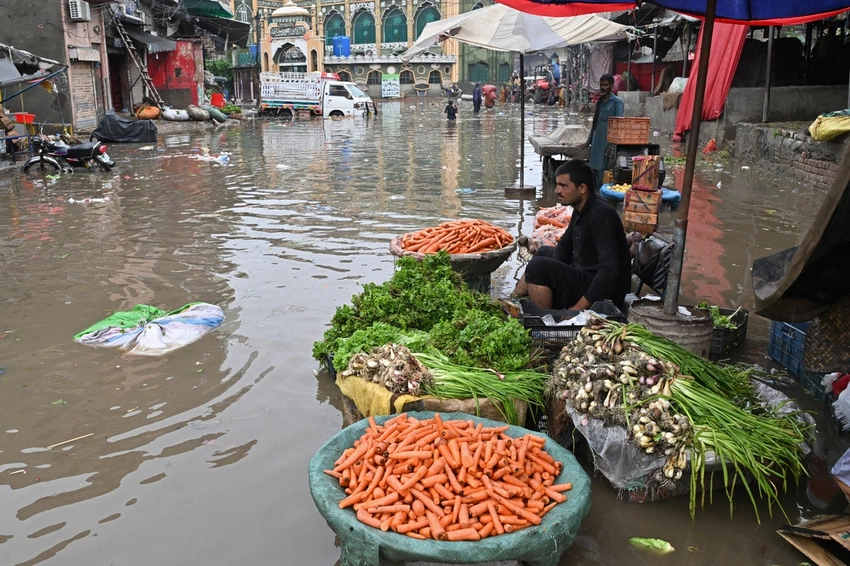
New research from WaterAid, in collaboration with the Universities of Bristol and Cardiff, sheds light on how El Niño will disrupt rainfall patterns in major cities worldwide. For instance, Phnom Penh in Cambodia could face severe drought due to unusually low rainfall, while Colombo, Sri Lanka, might experience devastating floods from significantly higher rainfall. Meanwhile, my own country's cities like Faisalabad and Karachi are situated in a peculiar "transition zone," meaning they could see either extreme, more rain or less, adding layers of uncertainty for governance and adaptation.
This isn't the moment for world leaders to backtrack on their climate commitments. The experiences of nations like Pakistan, which have been on the frontline of water insecurity for decades, offer crucial lessons for the entire world. It's a stark reminder that while El Niño is a natural cycle, its destructive power is being amplified by human-induced climate change, demanding immediate and collective action. The uncertainty of the coming months makes it more critical than ever for governments and communities to adapt and prepare.
