Zohran Mamdani: What Happens When a Politician Actually Helps People

Zohran Mamdani: What Happens When a Politician Actually Helps People
Zohran Mamdani: What Happens When a Politician Actually Helps People
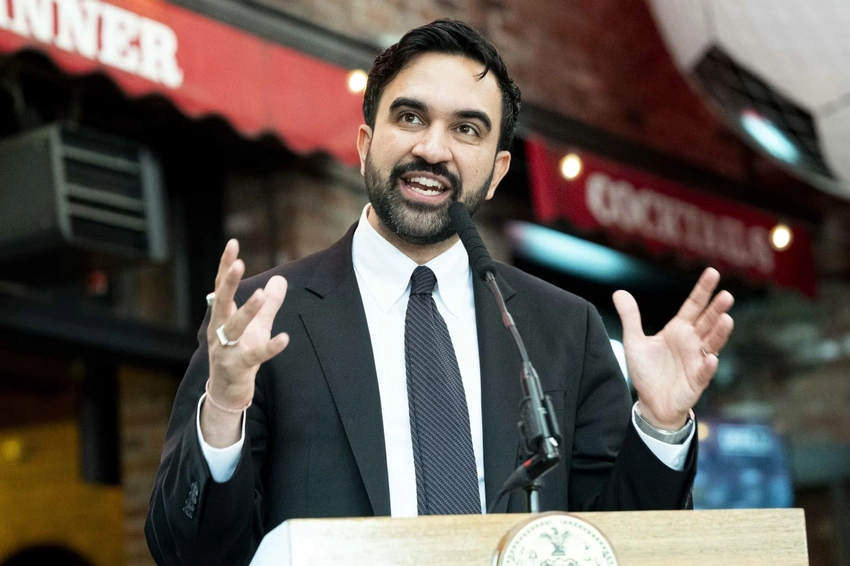
The most interesting thing about Zohran Mamdani is not that he is young, socialist, Muslim, charismatic, or internet savvy. It is that he has created a political reputation by doing something that increasingly feels unusual in modern politics: attempting to solve ordinary people's problems.
For years, political discourse in the United States has revolved around spectacle. Politicians debate endlessly about national identity, culture wars, and symbolic controversies while everyday life becomes steadily more expensive. Rent rises. Transport costs rise. Childcare becomes unaffordable. Wages stagnate.
What made Mamdani stand out in New York politics was his insistence on returning to material questions. How much does it cost to get to work? How much of your salary disappears into rent? Why is public infrastructure becoming harder to access?
His politics became less about managing public perception and more about addressing public need.
 Free Buses Were Not Just a Slogan
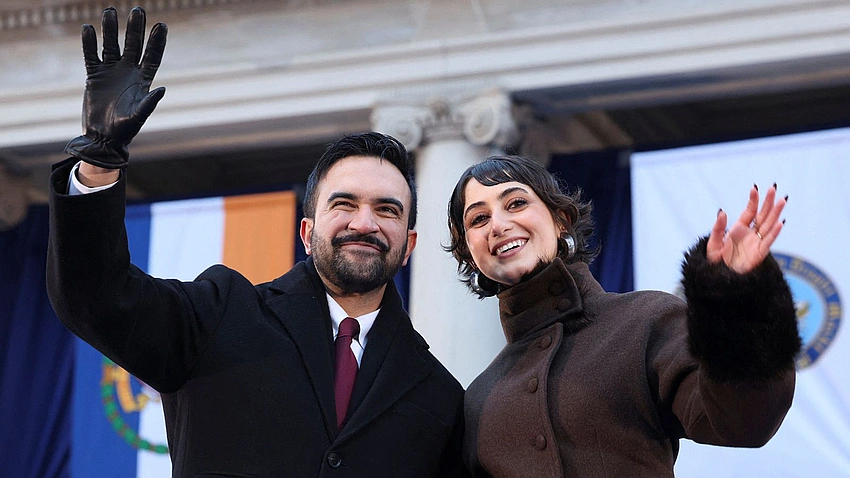
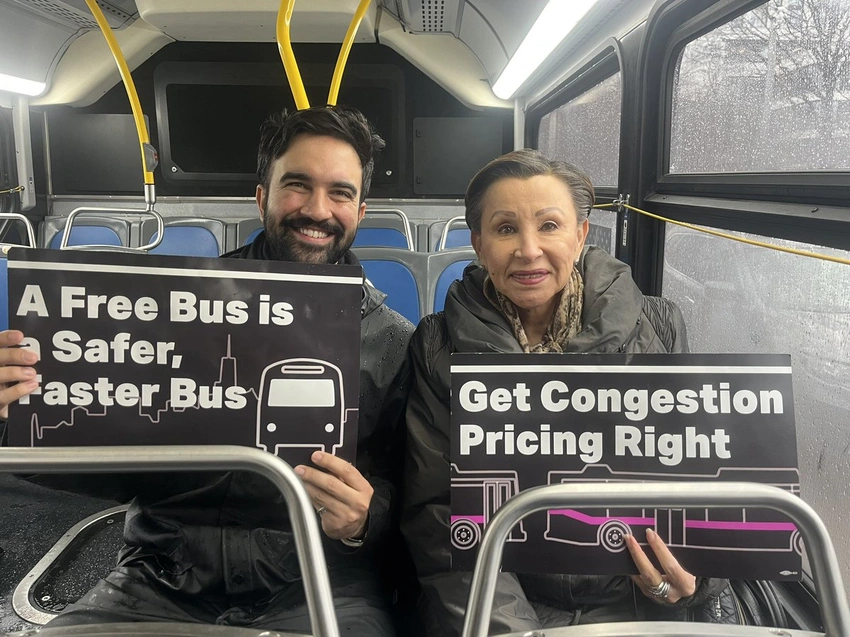
One of the clearest examples of this was the fare-free bus pilot programme that Mamdani helped champion in the New York State Assembly.
Unlike many campaign promises that remain theoretical, this policy was actually tested.
In 2023, several New York bus routes became fare free through a pilot programme that Mamdani strongly supported. The results were significant. Weekday ridership increased by around 30 per cent, with the largest benefits going to riders earning less than $28,000 annually. Assaults against bus operators also dropped by nearly 39 per cent during the programme.
These numbers matter because they reveal something often forgotten in political debate.
For wealthier people, public transport is an inconvenience or convenience.
For working class people, it is infrastructure of survival.
A bus fare may seem minor in isolation. But for someone commuting daily while balancing rent, food costs, and family expenses, every recurring payment matters. Mamdani understood this not as an abstract economic question but as a lived reality.
His proposal for citywide free buses emerged directly from the results of a programme that had already demonstrated measurable benefits. Whether or not the policy is ultimately implemented across New York, it was rooted in evidence rather than rhetoric.
 Housing Is Not a Side Issue
Before entering elected office, Mamdani worked as a housing counsellor helping low income homeowners facing foreclosure and housing insecurity. That experience shaped much of his political agenda.
This is important because housing has become one of the defining crises of contemporary urban life.
Many politicians speak about affordability while treating housing costs as an unfortunate market outcome. Mamdani instead treats housing as a political issue requiring intervention.
His campaigns have repeatedly pushed for rent freezes on stabilised apartments and the expansion of affordable housing construction. Critics argue about the practicality of these proposals, but the larger point is that he consistently centres housing insecurity as a governing priority rather than a secondary concern.
In a city where millions spend enormous portions of their income simply remaining housed, that focus resonates.
Politics Measured Through Outcomes
One reason Mamdani has developed such a loyal following is that people increasingly evaluate politicians through outcomes rather than ideology.
His supporters often point to the fact that he has not limited himself to speeches.
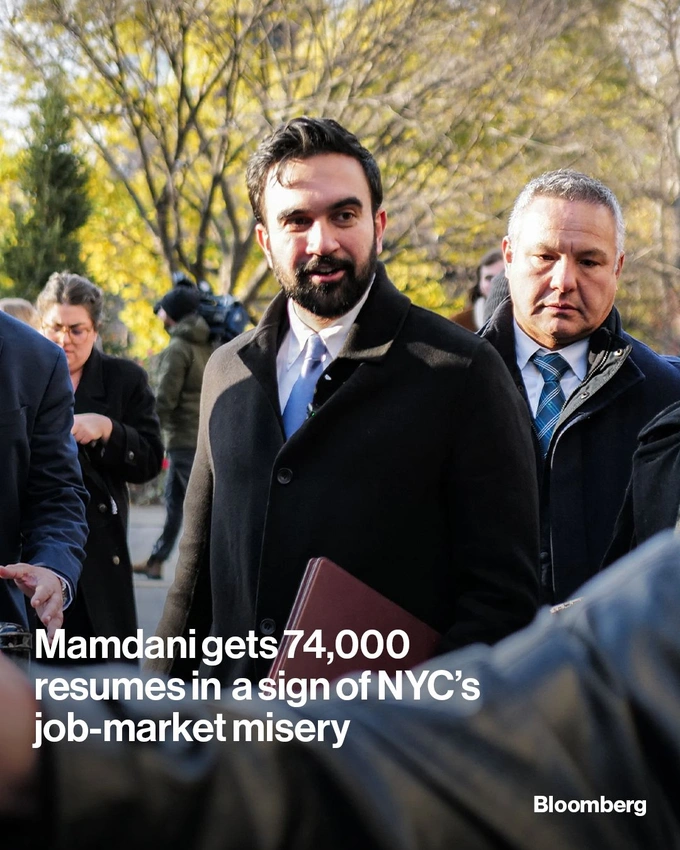
As an Assembly member, he helped push the fare-free bus pilot into existence, participated in a hunger strike alongside indebted taxi drivers, and sponsored legislation focused on transportation, housing, and economic accessibility. By 2025, he had sponsored twenty bills and helped advance numerous others.
 This does not mean every proposal succeeded.
In fact, some of his largest goals have encountered resistance from state leaders, budget constraints, and institutional barriers. His effort to expand free buses citywide, for example, has faced opposition from the MTA and state officials.
But there is a difference between failing to achieve something because powerful institutions block it and never attempting it in the first place.
Many politicians lower expectations before negotiations even begin.
Mamdani often does the opposite.
Why People Respond to Him
Perhaps the simplest explanation for Mamdani's popularity is that he approaches government as something that should improve daily life.
That sounds obvious. It should be obvious.
Yet contemporary politics has become so detached from ordinary experience that basic commitments to affordability, housing, transport, and public services can appear unusually ambitious.
His appeal comes from a belief that government should not merely administer crises but actively reduce them.
Whether discussing bus fares, rent costs, childcare, or wages, the underlying argument remains remarkably consistent: public institutions should make life easier for the people who actually live and work in the city.
The success of the free bus pilot captured this philosophy perfectly. A politician identified a problem. A policy was implemented. The results were measured. People benefited. In an era dominated by cynicism, that sequence feels almost startling. Not because it should be extraordinary. Because it has become rare.
#ZohranMamdani #NYPolitics #PublicTransit #RentCrisis #AffordableHousing
