India's Monsoon Ends with 13% Deficit: Dry Spells & Unexpected Floods

India's Monsoon Ends with 13% Deficit: Dry Spells & Unexpected Floods
India's critical southwest monsoon concludes with a significant 13% deficit, marking a peculiar season of widespread dryness and localized floods. What does this mean for agriculture and the economy? Find out now!
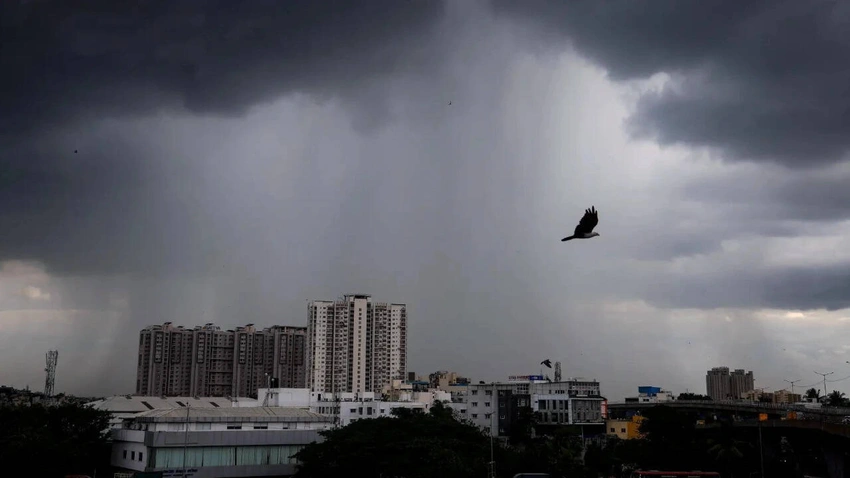
The four-month-long southwest monsoon, which typically accounts for a substantial 75% of India's annual rainfall, has officially ended with a concerning 12.6% deficit. This marks it as the fourth-lowest rainfall season since 2001, leaving large swathes of the country experiencing drought-like conditions. While a deficit of 13% nationally might suggest widespread dryness, this monsoon was characterized by peculiar extremes.
The India Meteorological Department (IMD) categorizes deviations, with a deficit up to ±19% considered “normal.” However, this season saw 52.7% of the country fall into the normal and excess categories for June-September. This was largely due to monsoon low-pressure systems originating from the Bay of Bengal, which brought significant rainfall to states like Odisha and parts of Chhattisgarh, Madhya Pradesh, and Uttar Pradesh during July and September.
Ironically, some regions experienced floods despite overall rainfall deficits.
Bihar, for instance, faced severe flooding even though most of the state was deficient in rainfall from July to September.
This paradoxical situation arose from floods in rivers and their tributaries that flow into Bihar from Nepal and neighboring states, rather than direct rainfall within the state itself.
These contrasting conditions, dryness in some areas and excessive water in others, pose significant challenges. The implications of this unusual monsoon are far-reaching. The widespread water stress will impact agriculture, potentially leading to crop damage and creating headwinds for farm incomes.
This, in turn, could contribute to inflationary pressures on food prices. While well-irrigated regions, such as parts of the Indo-Gangetic plains, might mitigate some of the agricultural losses from dry spells, they also faced their own challenges with localized flooding.
Looking ahead, there is some hope for relief.
While October is expected to bring less rainfall post-monsoon, forecasts suggest that the upcoming winter rains could be more favorable. This prospect offers a glimmer of hope for replenishing water resources and supporting the next agricultural cycle after a challenging monsoon season.
