Niacinamide Zinc Face Serum: Why This Combination Is Better Than Either Ingredient Alone

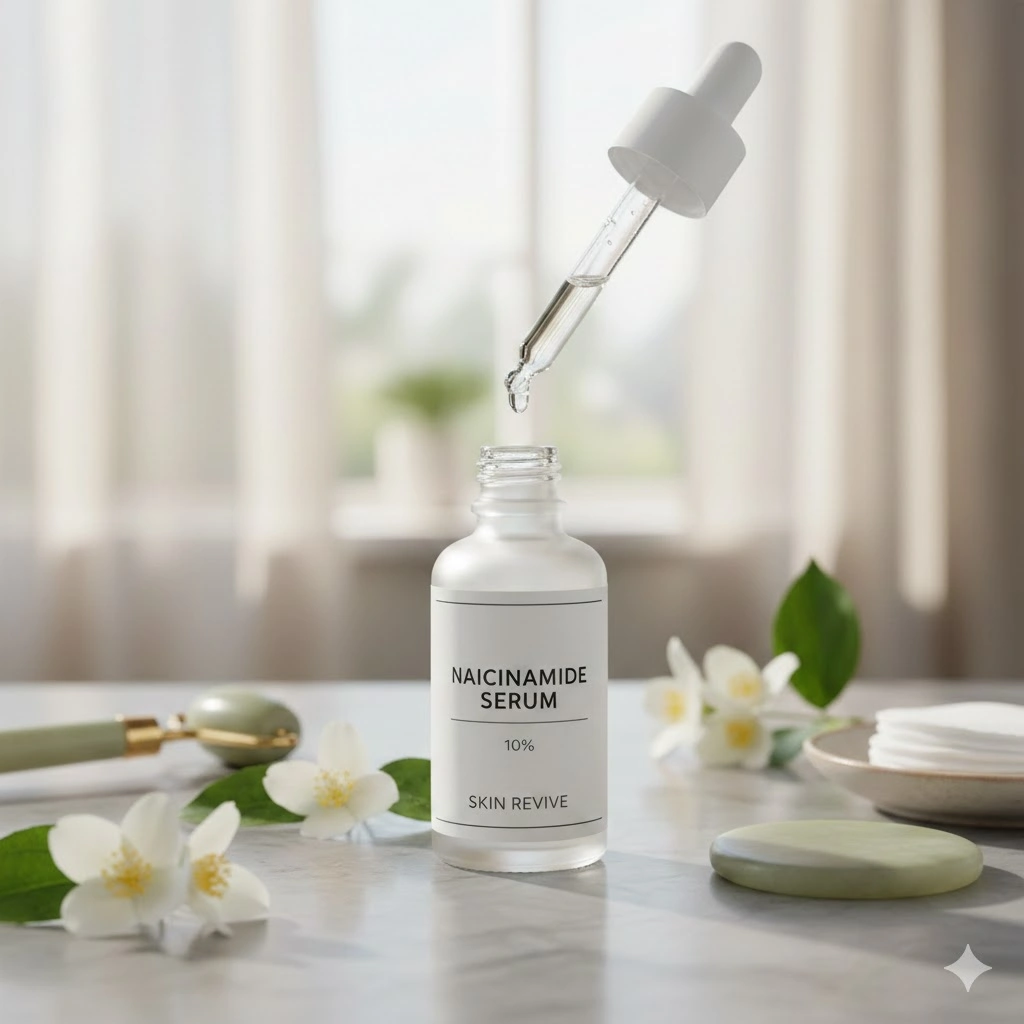
Niacinamide Zinc Face Serum: Why This Combination Is Better Than Either Ingredient Alone
Niacinamide has become one of the most universally recommended skincare ingredients across virtually every skin type and concern. It is well formulated, well tolerated, and backed by solid clinical evidence. Zinc, by contrast, receives considerably less attention despite having its own significant evidence base for oil control and acne management. When these two ingredients are combined in a single serum, the result is more comprehensive sebum management than either produces independently.
This guide covers how each ingredient works, what the zinc addition specifically contributes to a niacinamide formula, and why this combination represents one of the most targeted and complete single product approaches for oily and acne prone skin.
What Niacinamide Does
Niacinamide (vitamin B3) reduces sebum production by downregulating the activity of sebaceous glands at a cellular level. It inhibits the transfer of melanin between skin cells, which produces its visible dark spot fading effect over eight to twelve weeks of consistent use. It strengthens ceramide production in the skin barrier, reducing sensitivity and improving moisture retention. And it has direct anti inflammatory properties that calm the redness of active acne lesions.
All of these mechanisms operate at concentrations as low as 2 to 5% and the ingredient is exceptionally well tolerated across skin types. There is minimal risk of irritation, no photosensitivity, and no required adjustment period.
What Zinc Adds to the Formula
Zinc (typically as zinc PCA, zinc gluconate, or zinc oxide in topical formulas) contributes to oil control through a different mechanism than niacinamide. Zinc inhibits 5 alpha reductase, an enzyme involved in androgen metabolism that directly drives sebaceous gland activity. By reducing the androgenic stimulation of sebaceous glands, zinc addresses sebum production at a hormonal signaling level that niacinamide does not reach.
Zinc also has direct antibacterial properties against Cutibacterium acnes and anti inflammatory effects that operate independently of niacinamide's anti inflammatory pathway. The combination of two anti inflammatory mechanisms from different pathways produces more complete inflammation control than either alone.
Why the Combination Outperforms Single Ingredient Formulas
A niacinamide zinc face serum 🔗 addresses sebum overproduction from two completely different angles. Niacinamide works at the sebaceous gland level to reduce overall output. Zinc works at the androgen signaling level to reduce the hormonal drive behind that output. The two mechanisms are additive rather than redundant, producing more significant and more sustained sebum reduction than either ingredient addresses on its own.
The antibacterial contributions of zinc complement niacinamide's anti inflammatory support, meaning the combination addresses both the bacterial driver and the inflammatory response of acne simultaneously. For oily skin dealing with both excess oil and frequent inflammatory breakouts, this is the most comprehensive single ingredient combination available in OTC skincare.
How to Use the Combination
Apply a niacinamide zinc serum after cleansing and before moisturizer, morning and evening. The twice daily application maintains consistent sebum regulation and antibacterial activity throughout the day and overnight. Unlike many actives there is no requirement to start slowly or build up frequency. Niacinamide and zinc are both well tolerated from the first application at standard concentrations.
Results for sebum control begin to show at week three to four. Results for breakout frequency reduction are most visible at week six to eight. Results for post acne dark spot fading begin at week eight and continue improving through the three to four month mark with consistent daily use.
The Takeaway
The combination of niacinamide and zinc in a single serum addresses sebum overproduction from two complementary mechanisms, adds antibacterial activity, and provides anti inflammatory support through two independent pathways. It is a more complete approach to oily acne prone skin than niacinamide alone. For focused acne and oil control skincare, visit California Skin+ 🔗.

Login to comment.
No thots yet. Be the first to share your thoughts!