Indonesia Stock Exchange Chief Resigns After $80B Market Rout

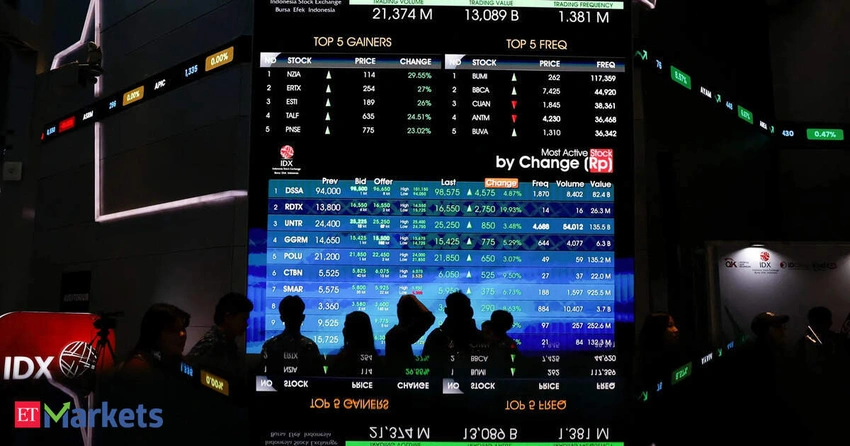
Indonesia Stock Exchange Chief Resigns After $80B Market Rout
Indonesia's market turmoil prompts leadership change as MSCI warns of downgrade and authorities promise reforms to restore investor confidence.
The Jakarta-based Indonesia Stock Exchange announced the resignation of its chief, Iman Rachman, after MSCI signaled a potential downgrade to frontier market status. The warning set off a broad sell-off that wiped more than $80 billion from the domestic equity market. The Jakarta Composite Index tumbled more than 8% over two consecutive sessions, its steepest drop since April, while the rupiah slid to around 16,800 per US dollar after hitting a record low of 16,985 last week. In a televised address, Rachman said he was taking responsibility and stepping down to help restore confidence, expressing hope the move would be a catalyst for needed reforms.
MSCI’s concerns centered on share ownership transparency and trading practices, warning that failure to address these issues could push Indonesia into frontier status. Foreign investors pulled capital amid worries about the administration of President Prabowo Subianto, including the appointment of his nephew to the central bank and the firing of a respected finance minister last year. In response, authorities proposed measures such as doubling the free float requirement to 15% and tightening checks on shareholder affiliations to prevent hidden control.
Market watchers described the resignation as a potential reset rather than a collapse, with emphasis on governance above all. Analysts said the real test would be timely and credible implementation of reforms, not just rhetoric. Some urged patience, noting reforms often take time, while others cautioned that political dynamics could delay progress.
Looking ahead, investors will monitor how quickly the exchange enacts reforms and whether MSCI’s downgrade risk recedes. The episode underscores the delicate balance between fiscal policy, market openness, and state involvement in Indonesia’s financial system. If reforms gain traction, the market could stabilize and attract fresh inflows; if not, continued volatility and capital outflows could persist. Still, officials frame the resignation as a necessary step toward a more transparent, resilient market framework.
