How Cooking Classes in Barcelona, Spain Teach Authentic Spanish Cuisine

How Cooking Classes in Barcelona, Spain Teach Authentic Spanish Cuisine
Barcelona is more than a city of stunning architecture and Mediterranean beaches—it is a living classroom of Spanish food culture. From the aroma of saffron-infused paella to the simple perfection of pan con tomate, Catalan and Spanish dishes tell stories shaped by history, geography, and local traditions. One of the best ways to truly understand this culinary heritage is by joining a cooking class in Barcelona, Spain 🔗.
Unlike simply dining at restaurants, cooking classes in Barcelona Spain offer a hands-on journey into authentic Spanish cuisine. These classes go beyond recipes, teaching techniques, ingredients, cultural context, and the philosophy behind Spanish cooking. Whether you are a beginner or an experienced home cook, a Spanish cooking class in Barcelona provides deep, memorable learning that connects food with culture.
In this article, we’ll explore how cooking classes in Barcelona teach authentic Spanish cuisine and why they are such a powerful way to learn, taste, and experience Spain.
The Philosophy Behind Authentic Spanish Cooking
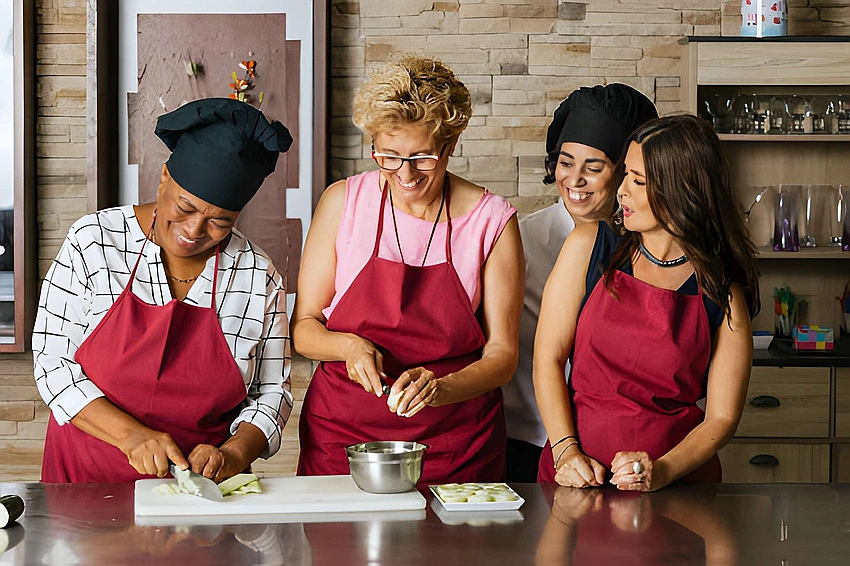
Authentic Spanish cuisine is rooted in simplicity, seasonality, and respect for ingredients. Spanish cooking focuses less on complicated sauces and more on allowing high-quality ingredients to shine. This philosophy is central to every Barcelona cooking experience.
In a traditional cooking class Barcelona, chefs begin by explaining the foundations of Spanish food:
- The importance of olive oil as a core ingredient
- The role of fresh vegetables, seafood, and meats
- The balance between land and sea
- Regional diversity, especially Catalan influences
Students quickly learn that Spanish cuisine is not just about following steps—it’s about understanding why certain ingredients are used and how they reflect Spanish life.
Learning Starts at the Local Market
One of the most authentic aspects of many cooking classes in Barcelona Spain is the market visit. Classes often begin at iconic food markets such as La Boqueria or Santa Caterina.
Why Market Visits Matter
Market tours teach students how locals shop and eat. During these visits, chefs explain:
- How to choose fresh seafood
- How to identify high-quality seasonal produce
- The differences between Spanish cheeses, cured meats, and olives
- Why certain ingredients are only used at specific times of year
This experience is essential to learning Spanish cuisine, because Spanish cooking is deeply tied to what is fresh and available locally.
By seeing, touching, and tasting ingredients before cooking, students gain real-world knowledge that no cookbook can provide.
Hands-On Cooking with Traditional Techniques
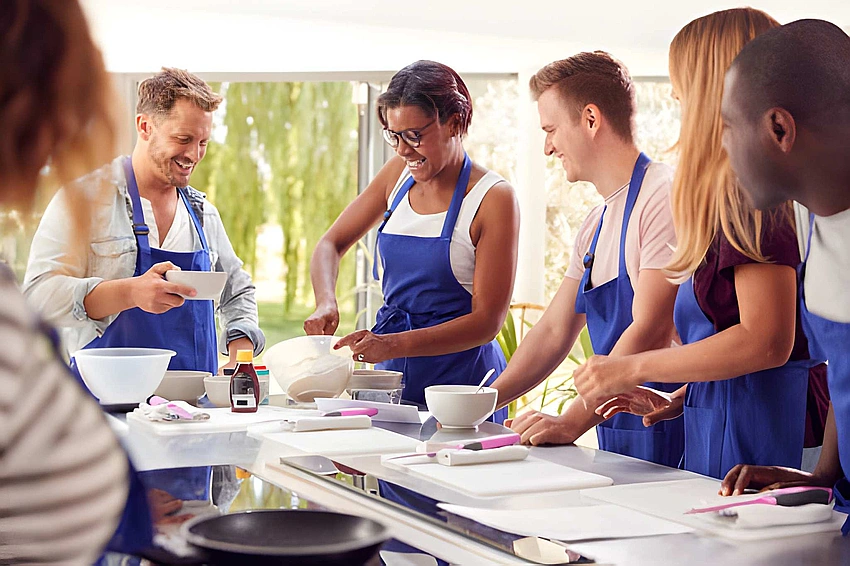
Once in the kitchen, students don’t just watch—they cook. A true Spanish cooking class in Barcelona is interactive and immersive.
Teaching Traditional Methods
Chefs focus on traditional techniques passed down through generations, such as:
- Making sofrito, the flavor base of many Spanish dishes
- Properly cooking rice for paella
- Balancing heat and timing for seafood
- Preparing tapas using classic methods
For example, in a paella cooking class Barcelona 🔗, students learn why rice should never be stirred once broth is added and how the coveted socarrat (crispy bottom layer) is achieved.
These techniques are explained in detail, helping students understand not just how to cook, but why each step matters.
Regional Dishes and Cultural Context
Spanish cuisine is incredibly diverse, and cooking classes in Barcelona Spain reflect this richness. While Barcelona is in Catalonia, many classes introduce students to dishes from across Spain.
Dishes Commonly Taught
Some popular dishes include:
- Seafood or mixed paella
- Tortilla Española (Spanish omelet)
- Patatas bravas with traditional sauces
- Gazpacho or salmorejo
- Catalan classics like crema catalana
Chefs explain the regional origins of each dish, helping students understand how geography, climate, and history influence Spanish food.
This cultural storytelling is a key reason why a cooking class Barcelona feels so authentic—it connects food to Spanish identity.
Learning from Professional Local Chefs
One of the strongest elements of any Barcelona cooking experience is the instructor. Most classes are led by professional chefs or culinary experts who grew up with Spanish food traditions.
What Chefs Teach Beyond Recipes
Local chefs share:
- Family cooking traditions
- Tips used in Spanish home kitchens
- Common mistakes tourists make when cooking Spanish food
- Ingredient substitutions for cooking Spanish dishes abroad
This insider knowledge transforms a class from a simple lesson into a cultural exchange. Students don’t just learn recipes—they gain confidence to recreate authentic Spanish meals at home.
Small Group Learning for Deeper Understanding
Most cooking classes in Barcelona Spain keep group sizes small. This allows for:
- One-on-one guidance
- Questions during every step
- Personalized feedback
- A relaxed, social atmosphere
Small groups make it easier to truly learn Spanish cuisine, especially for beginners. Students can practice techniques, ask questions, and correct mistakes in real time.
This hands-on attention ensures that participants leave with practical skills, not just memories.
Dining Together: The Spanish Way
After cooking, students sit down to enjoy the meal they’ve prepared—just like a traditional Spanish gathering.
Why This Matters
In Spain, food is social. Cooking classes emphasize this by encouraging shared dining, conversation, and wine pairing. This final step reinforces the cultural importance of food as a way to connect with others.
Eating together allows students to:
- Taste authentic flavors they created themselves
- Understand portioning and presentation
- Learn how dishes are traditionally served
This communal experience completes the learning cycle of a true Spanish cooking class.
Learning Skills You Can Use at Home
A major advantage of taking a cooking class Barcelona is learning skills that transfer beyond Spain.
Students leave knowing:
- How to source substitute ingredients internationally
- How to adapt Spanish recipes to home kitchens
- How to balance flavors the Spanish way
- How to cook confidently without strict measurements
This practical knowledge makes it easier to continue cooking Spanish food long after the class ends.
Why Cooking Classes Offer a Deeper Travel Experience
For travelers, food is memory. A Barcelona cooking experience 🔗 offers something deeper than sightseeing—it creates a personal connection to the culture.
Instead of just tasting Spanish food, you:
- Learn its history
- Cook it yourself
- Understand its traditions
This immersive learning is why cooking classes in Barcelona Spain are considered one of the most meaningful culinary experiences in Europe.
Final Thoughts: Authentic Spanish Cuisine Through Experience
Cooking classes in Barcelona don’t just teach recipes—they teach culture, tradition, and philosophy. Through market visits, hands-on cooking, expert guidance, and shared meals, students gain an authentic understanding of Spanish cuisine.
Whether you’re passionate about food, curious about culture, or simply want to learn Spanish cuisine the right way, a cooking class in Barcelona, Spain offers an unforgettable and educational experience.
It’s not just cooking—it’s living Spanish food culture from the inside.

Login to comment.
No thots yet. Be the first to share your thoughts!