Trump to Attend Supreme Court Birthright Citizenship Hearing—A First for a Sitting President

Trump to Attend Supreme Court Birthright Citizenship Hearing—A First for a Sitting President
The Supreme Court takes up a landmark birthright citizenship challenge as Trump plans to attend oral arguments, a historic moment in constitutional immigration debates.
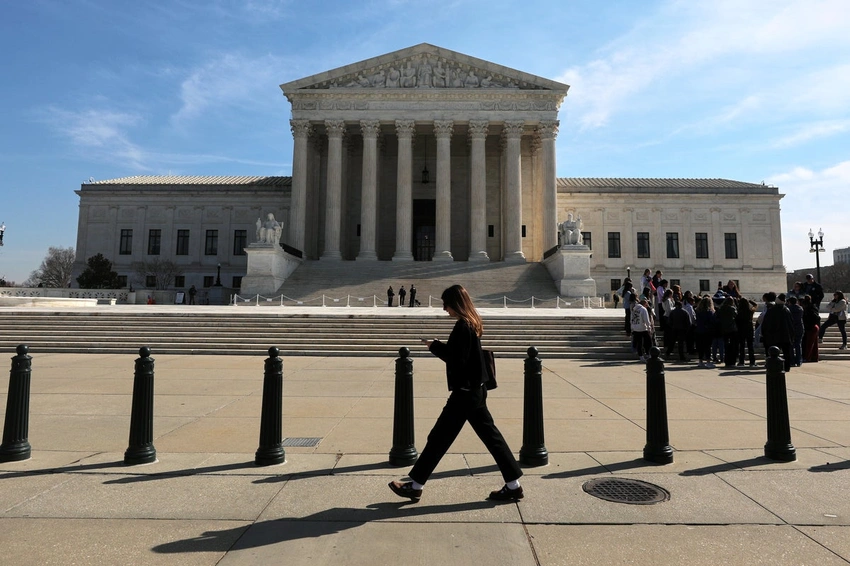
Washington is bracing for a landmark Supreme Court session as justices weigh a challenge to birthright citizenship, a policy long tied to the 14th Amendment. The case centers on President Trump’s executive order early in his term that sought to end birthright citizenship for children born to undocumented immigrants and certain temporary visitors. Supporters frame the question as a constitutional reexamination, while opponents warn that overturning birthright citizenship would upend generations of Americans and alter who is eligible for citizenship simply by birthplace. The court’s impending decision could reshape immigration and citizenship rules for decades to come and will be argued on a stage where American constitutional law is routinely tested.
President Trump has said he plans to attend the oral arguments, a move students of legal history described as unprecedented for a sitting president. 'I think I’ll go,' he told reporters, adding that he has listened to the arguments for a long time. The justices will home in on whether the executive order is compatible with the Constitution and with the scope of presidential power. If the court sides with the challengers, birthright citizenship could be narrowed or rescinded for some families, a result that would upend longstanding citizenship guarantees and could prompt fresh political battles over immigration policy.
Legal scholars say the case hinges on whether birthright citizenship enjoys a shield of the 14th Amendment, or if Congress can rewrite the rules through legislation or executive action. The hearing spotlights not only a high-stakes legal question but also a broader political clash over who belongs in the United States and under what terms. A decision is expected in the months ahead, and regardless of the outcome, the hearing will be watched closely by immigrant communities, policymakers, and constitutional scholars alike as a test of how far presidential power can reach in immigration matters.
