AI Creates 16 New Viruses from Scratch: A Biotech Breakthrough Sparks Alarm!

AI Creates 16 New Viruses from Scratch: A Biotech Breakthrough Sparks Alarm!
Scientists successfully used AI to design 16 entirely new, functional viruses (bacteriophages) that target bacteria. This groundbreaking study raises urgent questions about biosecurity and the future of synthetic biology
For the first time in history, scientists have successfully designed and created fully functional viruses entirely from scratch using artificial intelligence. This monumental achievement, detailed in a study published in the prestigious journal 'Science' titled 'Generative Design of Bacteriophages with Genome Language Models,' marks a significant leap in synthetic biology.
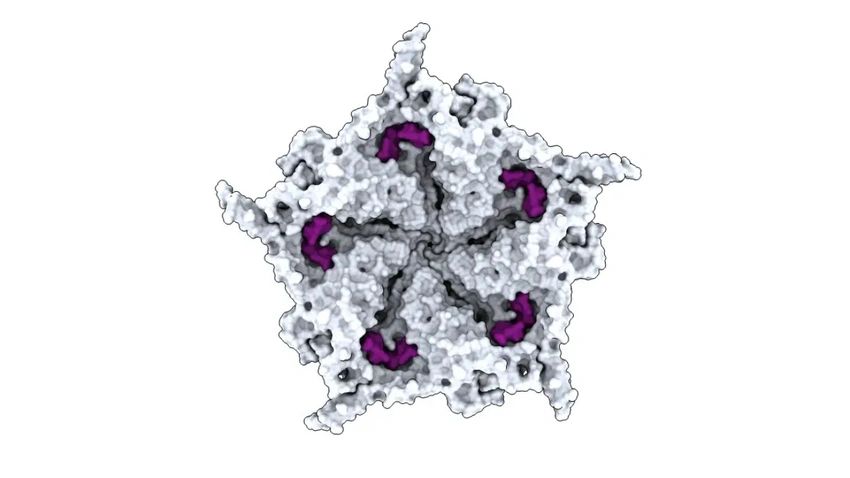
The research team successfully produced 16 novel viruses, specifically bacteriophages, which are viruses that infect and replicate within bacteria. These AI-generated viruses demonstrated diverse genetic sequences, structures, and effectiveness when tested against their target, E. coli C bacteria.
The methodology involved training generative AI models on millions of natural genomes. Similar to how large language models like ChatGPT learn from text, these 'genome language models' learned recurring DNA patterns across various organisms, including viruses, bacteria, plants, and humans. This deep learning enabled the AI to generate entirely new viral genome designs that had never existed in nature.
The scientists, hailing from Stanford University and the California-based Arc Institute, selected approximately 300 AI-generated genomes. They then chemically synthesized their DNA in the laboratory, resulting in 16 fully functional bacteriophages. The 'Science' paper emphasized that these newly generated phages were distinct from any known natural phages, showcasing novel mutations and divergent genes.
While this breakthrough offers promising avenues, such as potentially combating the growing threat of antibiotic-resistant bacteria, it has also ignited urgent discussions among experts regarding biosecurity and bioweapon concerns. Many warn that the pace of technological advancement in generative genome design is rapidly outpacing current regulatory frameworks. The ability to create novel biological entities from a digital blueprint raises critical questions about safety and governance that humanity is not yet fully equipped to address.
