Trump's 200% Tariff Threat on Generic Drugs: Reshore US Pharma!
Trump's 200% Tariff Threat on Generic Drugs: Reshore US Pharma!
Former President Trump proposes massive tariffs on imported generic drugs, threatening 200% duties unless production moves to the US. What does this mean for your medicine?
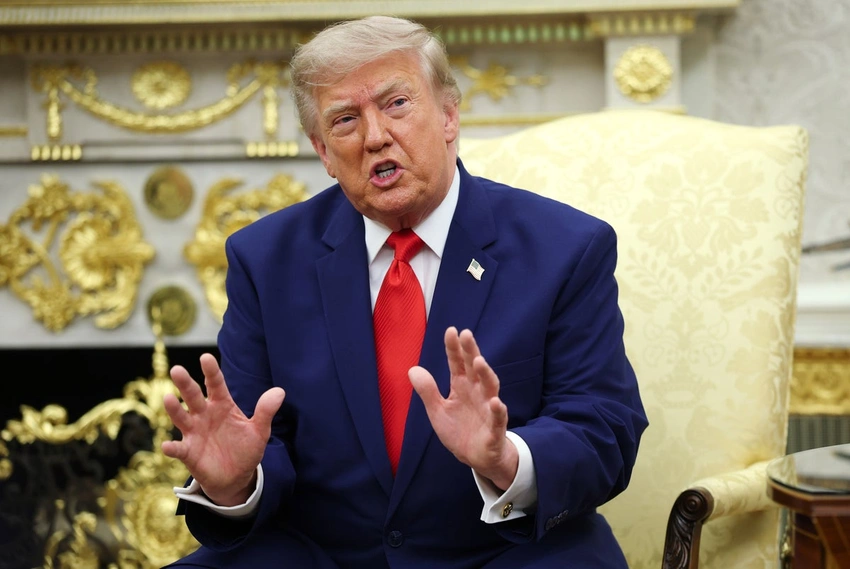
Former President Donald Trump has made a significant announcement regarding the future of generic pharmaceutical production in the United States, proposing a bombshell tariff plan that could drastically reshape the industry. The plan, which he unveiled on Truth Social, aims to compel drugmakers to move their manufacturing operations back to American soil.
Under this new proposal, generic drugs imported into the U.S. would enjoy a tariff-free period for two years, commencing August 1st. This initial grace period is designed to give pharmaceutical companies time to adjust and establish production facilities within the United States.
However, after this two-year window closes, companies that choose to continue manufacturing their generic drugs overseas will face escalating penalties. They would first be hit with a 100% tariff for one year, followed by a permanent and substantial 200% tariff if they still haven't moved their production to the U.S. Trump explicitly stated that this aggressive measure is intended to "RESHORE Generic Pharmaceutical Production into America," warning of "a penalty to those Companies that decide not to build Plant and Equipment within the stated period of time given to them."
This initiative is the latest in Trump's ongoing efforts to influence the pharmaceutical sector. In the past, he has also advocated for policies like "most-favored-nation" pricing, which sought to align U.S. drug prices with those in other wealthy nations. It's crucial to note that generic medicines are vital to American healthcare, accounting for over 90% of prescriptions filled nationwide, according to the Food and Drug Administration.
Trump clarified that these new tariffs would exclusively target generic drugs, leaving the regulations for patented and branded medicines untouched. This strategic focus underscores the importance he places on the domestic production of these widely used and often more affordable medications. The administration has previously used tariffs as leverage; for instance, an executive order in April imposed 100% tariffs on imported branded drugs unless manufacturers agreed to government pricing deals or shifted production to the U.S. This latest move appears to be an extension of that consistent policy direction.
