32-Hour Turmoil on Mumbai-Pune Expressway After Gas Tanker Crash

32-Hour Turmoil on Mumbai-Pune Expressway After Gas Tanker Crash
Gas tanker overturn sparks 32-hour standstill on the Mumbai-Pune Expressway, leaving thousands stranded with no food or water until the road reopened.
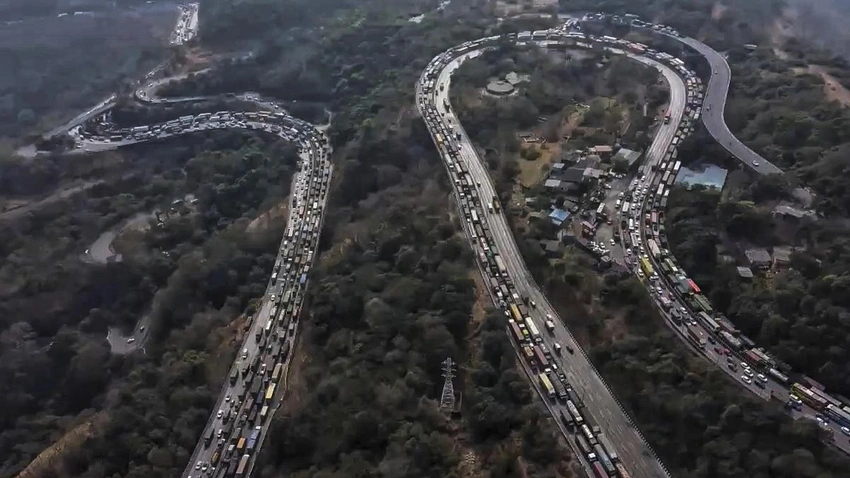
The nightmare on the Mumbai-Pune Expressway finally eased after a 32-hour ordeal that left thousands of commuters stranded. A tanker carrying highly flammable propylene overturned near the Adoshi tunnel in the Khandala ghat section on Tuesday evening, prompting authorities to halt traffic on this busy corridor between Mumbai and Pune. The sudden leak and safety concerns triggered a massive traffic standstill, transforming a routine drive into a test of patience and endurance for families, patients, and the elderly.
As the clock ticked, the highway—about 95 kilometers long—remained largely out of service while rescue teams worked to secure the area and manage the hazardous material. Vehicles heading toward Mumbai were diverted toward Pune, and only one lane was kept open for Mumbai-bound traffic while diversions were arranged. The disruption forced many vehicles to reroute via the old Mumbai-Pune highway, NH48, complicating travel for thousands more.
The impact stretched beyond the road itself. Bus services were disrupted as MSRTC canceled a significant number of trips (139) as a precautionary measure, amplifying the travel misery for daily commuters and long-distance travelers alike. Rescue and safety teams, including NDRF and SDRF units, deployed to manage the situation and mitigate risks associated with the gas leak and potential fire.
Gas transfer operations and safety checks dominated the response as authorities worked to prevent any catastrophic event. After hours of containment and safety assurances, the highway was reopened in the early hours of Thursday, bringing a cautious relief to those stranded and reconnecting a corridor critical for business and daily commuting alike.
In a rare anecdote from the disruption, industrialist Dr. Sudhir Mehta, who found himself stuck for eight hours, resorted to a helicopter to return to Pune. He used the incident to highlight the need for emergency helipads along major routes and voiced concerns about the road’s condition, calling the situation a dangerous gamble that underscored long-standing infrastructure gaps.
While the immediate crisis is past, the incident has rekindled conversations about road safety, emergency preparedness, and the resilience of India’s busiest highway routes. Authorities and transport agencies are likely to review response protocols and contingency plans to ensure swifter action in future emergencies.
