Fleabag and a New Era of Feminism


Fleabag and a New Era of Feminism
Fleabag and a New Era of Feminism
This analysis on Fleabag explores how the show's direct-to-camera confessional turns a sharp comedy into a study of messy feminism, offering a fresh take on class, grief, and gender politics.
There are characters who arrive and almost overnight reorient how we talk about everything that comes after them. Fleabag is one such work: a compact, ferociously funny two-series chronicle of a woman whose intelligence and self-sabotage sit in equal measure. The show’s signature device is a direct address to camera which turns the screen into a confessional and a stage, inviting the viewer to be conspirator and witness at once. This formal intimacy disrupts the usual distance of televised observation, making Fleabag’s politics feel lived-in rather than doctrinal.

Imperfect subjects, blunt ethics
One of the most productive tensions at the heart of Fleabag is between ethical expectation and moral messiness. The protagonist is sexual, selfish, funny and grieving; she resists being folded into the binaries of “good feminist” or “bad woman.” Instead, the show stages a feminism that is uneven, contradictory and embodied, one that recognises how structural violences (class, bereavement, gendered labour) shape intimate choices without moralising every failure. Academic interventions have picked up on this: recent scholarship reads the series as interrogating normative femininities and the expectations placed on women to perform care and contrition. That the protagonist can be both grotesque and tender is precisely where Fleabag’s critical force lies.
The female gaze, and who it courts
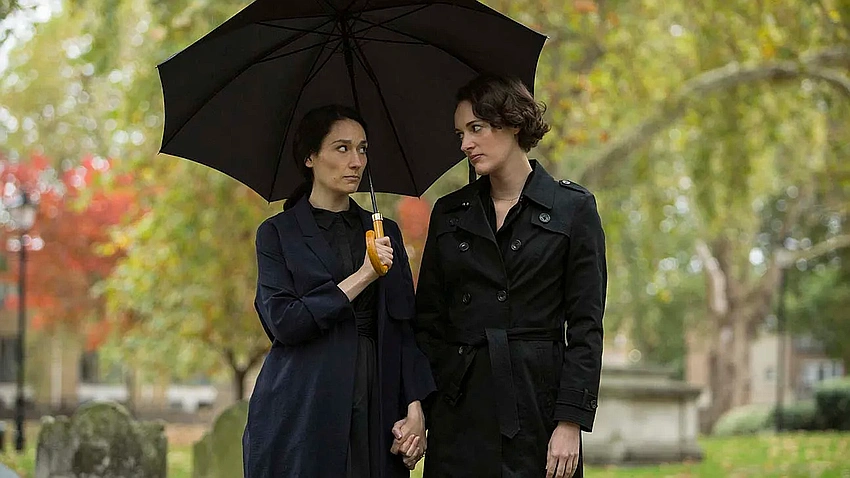
Fleabag complicates the language of the “female gaze” where it does not simply invert the cinematic gaze but repurposes address so that the viewer becomes implicated in the protagonist’s survival strategies. The asides and glances into camera are never neutral; they are rhetorical acts that test the viewer’s sympathy. In doing so, the show refuses a simplistic reclamation of erotic agency as inherently emancipatory. Moments of sexual frankness are staged alongside scenes that show how desire is freighted with loneliness and the after-effects of trauma. The result is a depiction of womanhood where sexual autonomy is present but not triumphant, messy rather than triumphant.
Comedy as analysis
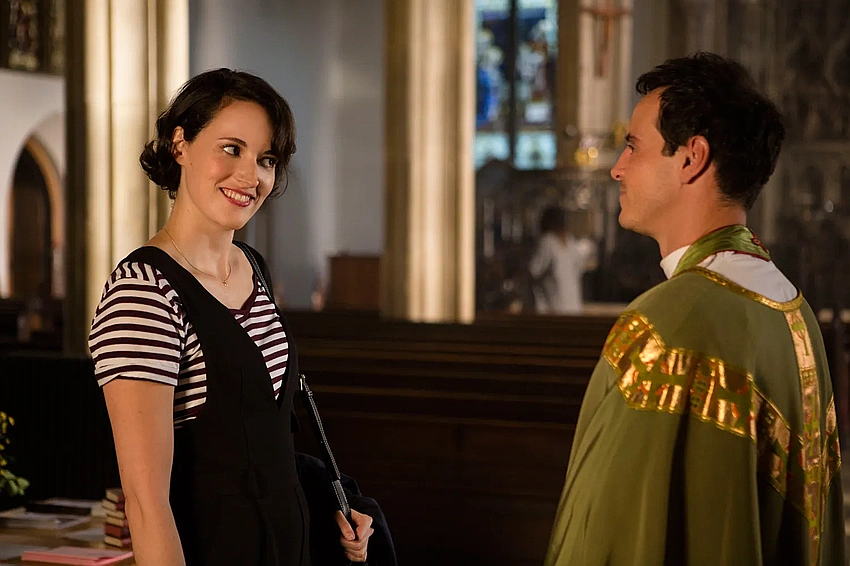
Comedy in Fleabag is not merely relief; it is analytical. Phoebe Waller-Bridge’s writing distils social contradictions into gestures such as an interrupted meal, a ruptured conversation, the repeated failure to apologise properly and makes the small humiliations of contemporary life legible. The show’s humour disarms, and through disarmament it reveals patterns of gendered expectation: who must be polite, who must perform competence, who is permitted to rage. This is part of why critics and fellow artists have described Fleabag as a kind of tipping point. It's wit is sharp enough to show how patriarchy survives in manners and micro-interactions as much as in legislation.
Sisterhood, care, and the story beneath the jokes
Beneath the flippancy, Fleabag is a sustained meditation on care: its absence, its cost, its unexpected forms. Female relationships in the series as sisterhood, friendship, mentorship are rendered as economies of care that are often exhausted or unreciprocated. The show insists that much of what passes as private failure is actually a public problem of social infrastructure: unpaid labour, emotional labour and the legacies of loss.
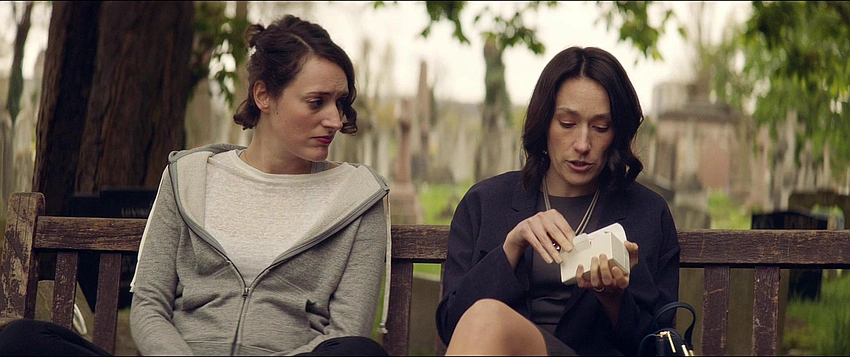
In this sense, the series subtly redirects the conversation from individualised narratives of empowerment to something that looks more like political diagnosis.
Limits and criticisms
No show is beyond critique. Commentators have rightly pointed out that Fleabag’s social world is selective, its humour and milieu are often metropolitan and class-inflected and that those absences matter when we announce a work as emblematic of a movement. Reading the show as a singular solution to feminism’s problems would be a mistake: its real achievement is to make a particular, complicated life visible, and thereby to open space for other, different stories to follow. Those limits do not cancel its contribution; they situate it.
A modest manifesto for feminist storytelling
If Fleabag signals anything for contemporary feminist culture, it is this: authenticity need not be respectable, and representation need not be exemplary. The show advocates, indirectly, for stories that allow women to be full human subjects capable of cruelty, wit, tenderness and failure without requiring redemption as the condition for their worth. In practice, that means more narratives that embrace ambivalence and that imagine feminist solidarity as something messy and practice-based rather than performatively righteous.
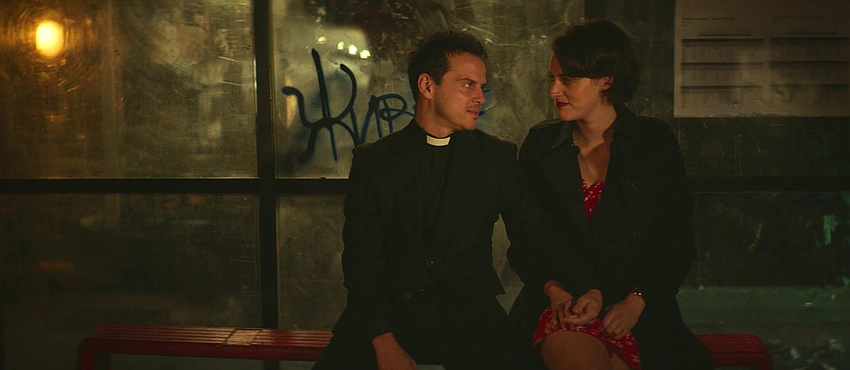
Fleabag changed how many of us watch women on screen not by offering tidy answers, but by insisting on messy, human particularity. In the wake of that insistence, feminist storytelling has a richer vocabulary: one that trusts the audience to sit with discomfort, to recognise contradiction, and to find political meaning in the small ethics of everyday life. For anyone interested in what new feminist forms might look like, the series remains a provocative, humane and fiercely intelligent starting point.
#Fleabag #TVAnalysis #FeminismInMedia #DirectAddress #TelevisionCraft
