Trump's Gaza 'Board of Peace' faces criticism over colonial vibe

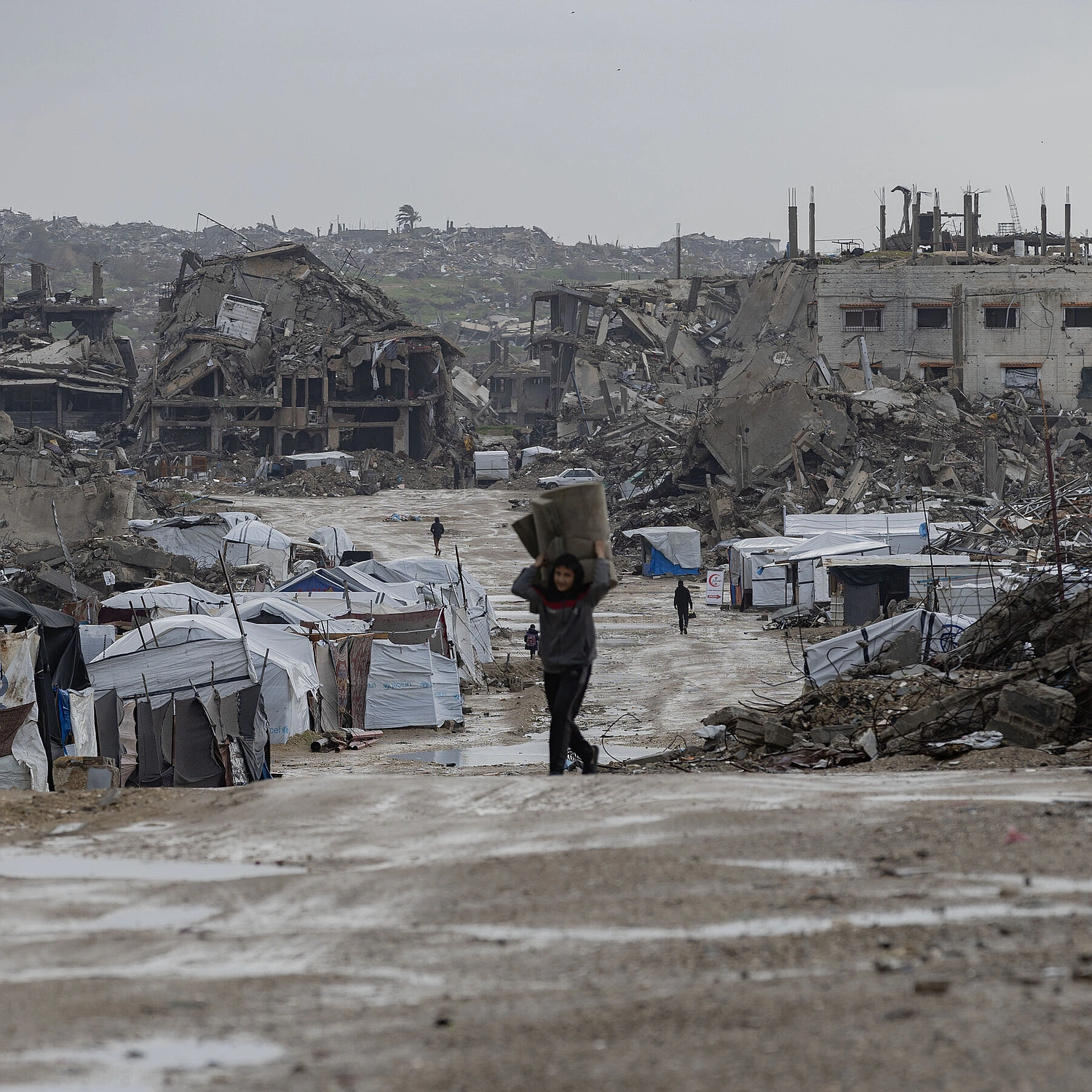
Trump's Gaza 'Board of Peace' faces criticism over colonial vibe
The White House unveils a Gaza 'Board of Peace' with Rubio, Kushner and Blair, sparking debate over representation and the plan's future.
The White House has announced the first members of its Gaza 'Board of Peace', a centerpiece of the administration's plan for Gaza diplomacy and investment. There are two boards: a founding Executive Board focused on investment and diplomacy, and a Gaza Executive Board that would supervise ground work of the National Committee for the Administration of Gaza (NCAG). Notably, no Palestinian names are on the two senior boards. Six of the seven on the founding Executive Board are Americans, including US Secretary of State Marco Rubio and close allies like Jared Kushner, with Steve Witkoff as a key member as a real estate developer and envoy. Ajay Banga, president of the World Bank, stands out as an Indian-born US citizen among the group, while Sir Tony Blair, a former UK prime minister, also sits on the board, a move likely to fuel debate over governance and influence.
Criticism of Blair's inclusion has already been voiced by Palestinian and regional figures, who question the balance of voices and the potential for a colonial-style framework. The Gaza Executive Board would oversee work by the NCAG, a technocratic, apolitical Palestinian body led by Dr Ali Shaath, a civil engineer who has held ministerial posts in the Palestinian Authority. The structure and the scope of the overall plan remain shrouded in questions about who else will be added and how much real authority Palestinian leaders will retain.
The proposal has drawn a mix of cautious support from some world leaders, but critics say the plan risks sidelining Palestinians and embedding external control. There are reports that a U.S. general could be tapped to lead an international peacekeeping force tasked with disarming Hamas and stabilizing Gaza, moves that would dramatically reshape any eventual implementation. As the debate continues, many observers insist that the plan is still the only viable option on the table, even as questions linger about representation, transparency, and long-term guarantees for Gaza residents.
